
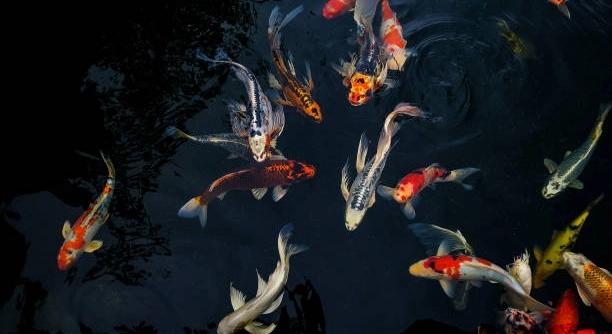
Koi fish are admired for their beautiful, shiny scales. Keeping these scales healthy is important for their overall well-being. Many koi owners want to know what can harm their fish’s delicate outer layer.
Several factors can damage koi scales, including poor water quality, infections, physical injuries, parasites, improper diet, stress, and environmental changes. These issues can weaken scales, cause discoloration, or lead to serious health problems if left untreated.
Knowing the common causes of koi scale damage helps protect your fish and maintain their vibrant appearance. The following guide highlights key issues to watch for and how they affect your koi’s scales.
Poor Water Quality and Its Impact on Koi Scales
Maintaining clean water is essential for koi health, especially for their scales. When water quality declines due to high ammonia, nitrite, or nitrate levels, koi scales can become damaged or discolored. Dirty water can also encourage harmful bacteria and fungi to grow, leading to infections on the scales. Chlorine and heavy metals present in untreated tap water can irritate the skin and scales, causing them to weaken or peel. Regular testing and partial water changes help keep the environment stable and safe. Filtration systems are useful but must be cleaned and maintained properly to avoid buildup of harmful substances. Poor water conditions also stress koi, which lowers their immune system, making scale damage more likely. Overall, clean water creates a healthy environment for koi to thrive with bright, intact scales.
Regular water testing and maintenance are crucial to prevent scale damage caused by poor water conditions.
Watching water quality carefully protects your koi from many problems. Keeping water clean ensures your fish stay healthy and their scales remain bright and strong. Even small changes in water chemistry can affect koi scales quickly, so staying on top of it is important. Using quality filtration, avoiding overfeeding, and not overcrowding the pond also help maintain good water conditions. If issues arise, prompt action can prevent lasting damage. Taking these steps means you’ll enjoy healthy koi with beautiful scales for a long time.
Parasites That Harm Koi Scales
Parasites can attach to koi scales and cause irritation or injury. They feed on the skin and scales, leaving marks or sores that may become infected. Early detection and treatment are key to protecting koi from parasite damage.
Physical Injuries and Scale Damage
Koi can get physical injuries from sharp objects, rough handling, or fights with other fish. These injuries can tear or dislodge scales.
Physical damage to koi scales often happens when fish swim into rocks, decorations, or rough surfaces in the pond. Handling koi without care can also cause scale loss or bruising. Even aggressive behavior among koi can lead to biting or rubbing injuries. When scales are damaged, the fish becomes more vulnerable to infections and stress. It’s important to keep the pond free of sharp edges and provide enough space to reduce aggression. Handling koi gently and only when necessary helps protect their delicate scales from unnecessary harm.
Injuries to scales can also slow down the healing process if water quality is poor or if infections develop afterward. Regular observation and quick action prevent further damage. Adding pond plants and hiding spots reduces collisions and fights, creating a safer environment for koi. Using soft nets and limiting handling helps maintain scale health. Healing can take time, so patience and proper care are essential during recovery.
Stress and Its Effects on Koi Scales
Stress weakens koi’s immune system and can cause their scales to lose color or develop patches.
Stress in koi is caused by overcrowding, sudden changes in water temperature, poor water quality, or loud noises near the pond. When stressed, koi become less resistant to diseases and parasites, making scale damage more likely. Stress can also lead to erratic swimming or hiding, signs that something is wrong. Managing stress by providing stable conditions and a calm environment helps keep koi scales healthy and vibrant. Preventing stress reduces the chance of infections and promotes overall well-being.
Infections That Affect Koi Scales
Bacterial and fungal infections can cause koi scales to appear dull or damaged. These infections often start from small wounds or poor water conditions.
If left untreated, infections can spread and seriously harm the fish. Clean water and prompt treatment are essential to prevent scale loss and keep koi healthy.
Improper Diet and Scale Health
A poor diet lacking in vitamins and minerals can weaken koi scales. Balanced nutrition supports strong, shiny scales and overall fish health.
Feeding high-quality koi food with proper nutrients helps maintain scale integrity and boosts the immune system, reducing the risk of scale damage.
Environmental Changes and Scale Stress
Sudden changes in water temperature or chemistry can shock koi, leading to scale problems. Stable conditions help koi keep their scales healthy.
What causes koi scales to become dull or lose their shine?
Koi scales lose their shine mainly due to poor water quality, infections, and stress. When the water is dirty or contains harmful chemicals, it affects the scales’ appearance. Infections, such as bacterial or fungal growth, can cause discoloration or patches. Stress from overcrowding or sudden changes in the environment also weakens the fish’s immune system, making scales look dull. Proper care, clean water, and good nutrition help keep scales bright and healthy.
Can poor diet really damage koi scales?
Yes, a poor diet can directly impact koi scales. Koi need a balanced diet rich in vitamins, especially Vitamin C and minerals like zinc, which support skin and scale health. Feeding low-quality food or an unbalanced diet can cause scales to become brittle, lose color, or even fall off. Providing high-quality commercial koi food, supplemented with fresh vegetables or treats, keeps scales strong and the fish healthy overall.
How do parasites affect koi scales?
Parasites attach to the koi’s skin and scales, feeding on tissue or bodily fluids. This causes irritation, redness, and sometimes open wounds. The scales can become damaged or fall off where parasites are present. Parasites can also introduce infections, making the damage worse. Early detection and treatment with appropriate medications help control parasites and protect koi scales from lasting harm.
Is poor water quality the main reason for scale damage?
Poor water quality is one of the biggest reasons koi scales suffer. High ammonia, nitrite, and nitrate levels can irritate the skin and scales. Dirty water encourages bacterial and fungal infections that damage scales. Chemicals like chlorine or heavy metals from untreated water also cause harm. Regular testing and water changes are essential to prevent scale problems and keep koi healthy.
Can physical injuries to koi scales heal on their own?
Minor injuries to koi scales often heal naturally if the water is clean and the fish is healthy. However, damaged scales increase the risk of infections. It’s important to remove sharp objects and minimize stress to help recovery. In some cases, medication may be needed if infections develop. Healing can take weeks, so patience and proper care are key.
How does stress contribute to koi scale damage?
Stress lowers koi’s immune defenses, making them vulnerable to infections and parasites that harm scales. Stressful conditions include overcrowding, sudden temperature changes, loud noises, and poor water quality. When stressed, koi may stop eating or act abnormally, signaling trouble. Keeping a calm, stable environment reduces stress and protects scales from damage.
What are the signs of infections on koi scales?
Infections often appear as red or white patches, ulcers, or missing scales. The affected areas may look swollen or have a fuzzy coating if fungal. Bacterial infections can cause open sores or cloudy eyes. Infected koi may also behave lethargically or lose appetite. Early treatment with antibiotics or antifungal medications is important to prevent serious damage.
How can I prevent scale damage caused by environmental changes?
Avoid sudden changes in water temperature or chemistry. Introduce new water slowly and keep the pond stable. Use heaters or coolers when needed to maintain a steady temperature. Also, test water regularly for pH, ammonia, and other parameters. Gradual changes help koi adapt without stress, keeping scales healthy.
Are there treatments to restore damaged koi scales?
There is no way to replace lost scales quickly, but healing can be supported with clean water and good nutrition. Medications may be required for infections or parasites. Some treatments promote skin regeneration, helping scales grow back naturally. Preventing further damage and reducing stress are the best steps for recovery.
How often should I check my koi for scale problems?
Regular observation is important. Check your koi daily or at least several times a week for any changes in scale appearance, behavior, or swimming patterns. Early signs of scale damage include dullness, missing patches, or unusual marks. Spotting problems early allows for quick action to protect your fish and maintain their beauty.
Caring for koi scales is an important part of keeping your fish healthy and beautiful. Scales protect koi from infections and injuries, so maintaining their condition should be a priority. Many common problems that damage scales, such as poor water quality or parasites, can be prevented with regular care and attention. By keeping the pond clean, providing proper food, and reducing stress, you create a safer environment where koi can thrive. Taking these steps helps avoid scale damage and supports your fish’s overall well-being.
It is normal for koi to face challenges like minor injuries or changes in their environment, but quick action can limit lasting harm. Watching for early signs of scale damage, such as discoloration, dullness, or missing scales, allows you to address issues before they worsen. Maintaining stable water conditions and avoiding overcrowding reduce stress and make infections less likely. If problems do appear, treatments such as water changes, medication, or improved nutrition can help the scales heal. Patience is key because koi scales take time to grow back fully, and the healing process depends on how well their environment is managed.
Ultimately, understanding what affects koi scales gives you the power to protect your fish and enjoy their beauty for years to come. Keeping a routine that includes water testing, gentle handling, and feeding a balanced diet goes a long way. A healthy koi with bright, intact scales is a sign of a well-maintained pond. Remember, the little daily care actions add up, preventing many common problems that damage scales. With attention and care, your koi can stay vibrant and healthy throughout their life.

Hello,
If you enjoy the content that we create, please consider saying a "Thank You!" by leaving a tip.
Every little bit helps us continue crafting quality advice that supports the health, happiness, and well-being of pets around the world, for pets of all shapes, sizes, and species.
We really appreciate the kindness and support that you show us!