
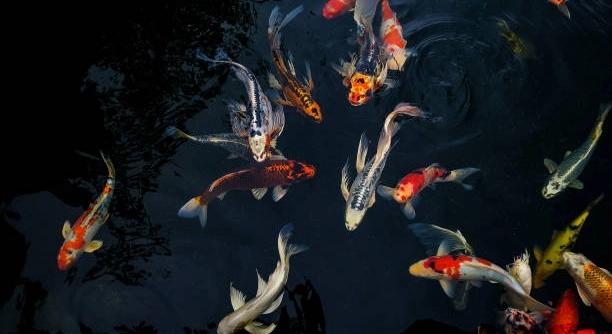
Koi are beautiful fish that require careful care to stay healthy. Injuries are common among koi and can affect their well-being. Recognizing these injuries early helps maintain a thriving pond environment for your fish.
The seven most common koi injuries include fin damage, scale loss, ulcers, mouth injuries, eye problems, dropsy, and swim bladder issues. These injuries often result from poor water quality, aggressive behavior, infections, or environmental hazards. Proper management can reduce their occurrence.
Understanding koi injuries and their causes is essential for effective treatment and prevention. This article provides clear information to help you protect your koi and support their health over time.
Fin Damage in Koi
Fin damage is one of the most common injuries in koi. It often happens when koi scrape their fins against rough surfaces like rocks, sharp decorations, or pond edges. Sometimes, aggressive interactions with other fish can cause torn or frayed fins. Poor water quality can worsen fin injuries by increasing the risk of infection. Maintaining clean water and providing smooth surfaces helps reduce fin damage. If fins appear ragged or clamped, it is essential to act quickly to prevent further harm. Treatment usually involves improving water conditions and sometimes using antibacterial treatments. Careful observation is necessary to catch these injuries early, ensuring the koi’s fins heal properly and do not lead to more serious infections.
Fin damage affects koi swimming and balance. Keeping water clean and avoiding sharp objects in the pond supports fin health.
Preventing fin injuries requires proper pond maintenance. Avoid overcrowding, remove sharp edges, and monitor water quality. Quick treatment limits infection and supports natural fin regrowth. With proper care, koi fins can fully recover without lasting harm.
Scale Loss Causes
Scale loss in koi appears as bare patches on their bodies and is often caused by trauma. Collisions with pond structures, aggressive fish behavior, or handling can result in missing scales. Infections can also lead to scale loss if left untreated. Good pond hygiene and gentle handling reduce the risk of scale damage. Scale loss can leave koi vulnerable to bacterial or fungal infections, so prompt attention is necessary. Treatment typically involves isolating the affected fish and applying appropriate medications while maintaining excellent water quality.
Scale loss indicates physical trauma or infection. Addressing the underlying cause helps prevent complications.
Koi rely on their scales for protection, so losing them exposes internal tissues to harm. Trauma from bumps or bites can damage scales, and infections may cause scales to lift or fall off. Handling koi roughly or overcrowding the pond increases the risk. Keeping the environment safe and calm is essential. Proper treatment involves cleaning the pond, isolating injured fish, and applying antibacterial or antifungal medication. Supporting koi health with balanced nutrition also aids recovery. With timely care, koi can regrow lost scales, but it takes time and patience to fully restore their protective layer.
Ulcers on Koi
Ulcers are open sores that develop on koi’s skin. They often result from bacterial infections following injuries or poor water conditions. These wounds can worsen quickly if untreated.
Ulcers usually start as small red spots and can grow deeper, exposing muscle tissue. They are often caused by bacteria such as Aeromonas or Pseudomonas, which thrive in poor water quality or when koi are stressed. Injuries like fin damage or scale loss create entry points for infection. Ulcers are painful and can weaken the immune system. Treatment involves isolating the affected fish, improving water quality, and applying antibacterial medication. Daily monitoring is essential to track healing and prevent the spread of infection to other koi.
Proper pond maintenance is critical in preventing ulcers. Avoid overcrowding, keep the water clean, and handle koi gently to minimize stress. Early detection and treatment improve recovery chances, reducing the risk of severe infections or loss.
Mouth Injuries
Mouth injuries occur when koi scrape or bite their mouths on rough surfaces or during feeding competition. These injuries can interfere with feeding and cause infection.
Mouth wounds range from small cuts to larger abrasions. Rough pond materials, sharp decorations, or aggressive behavior during feeding can cause these injuries. Since koi use their mouths constantly, injuries here can make eating difficult and expose them to bacterial infections. Treatment requires cleaning the wound, improving water conditions, and sometimes using antibacterial treatments to prevent infection. It is helpful to remove or smooth sharp objects in the pond to avoid repeated injuries. Feeding in smaller, controlled amounts can reduce aggressive biting and competition among fish, lowering the risk of mouth injuries.
Eye Problems in Koi
Eye problems in koi include cloudiness, swelling, or injury. These issues can result from trauma, infections, or poor water quality. Eye injuries affect vision and can lead to blindness if untreated.
Prompt treatment is essential. Cleaning the water, isolating affected fish, and using appropriate medications help prevent worsening of eye conditions and improve healing chances.
Dropsy in Koi
Dropsy is a serious condition where koi swell due to internal fluid buildup. It usually indicates organ failure or severe infection. The swelling is often visible as raised scales and a bloated body. Dropsy requires immediate attention, proper diagnosis, and treatment to improve survival chances.
Swim Bladder Issues
Swim bladder problems cause koi to lose balance or float abnormally. This affects swimming and feeding. Causes include constipation, infections, or injury. Maintaining good water quality and a proper diet helps prevent swim bladder disorders. Treatment depends on the underlying cause.
What are the most common causes of koi injuries?
Koi injuries often stem from poor water quality, aggressive behavior among fish, sharp or rough pond surfaces, and improper handling. Injuries can also result from infections that develop after physical trauma. Maintaining a clean, spacious environment reduces the risk of injuries and infections in koi.
How can I tell if my koi has an injury?
Signs of injury include visible wounds, torn fins, missing scales, red or swollen areas, clamped fins, unusual swimming behavior, or lethargy. Some injuries, like ulcers or dropsy, may cause swelling or sores. Regular observation is key to catching injuries early for prompt treatment.
What should I do if I find an injured koi?
First, isolate the injured fish in a separate tank to prevent further harm or infection spread. Test and improve water quality. Clean the injury gently if possible and apply appropriate antibacterial or antifungal treatments. Monitor the fish closely for changes or improvement.
Are koi injuries always caused by infections?
Not always. Injuries can result from physical trauma such as scraping or biting, but infections often develop secondarily when bacteria or fungi enter through damaged skin or fins. Preventing initial injuries and maintaining clean water helps reduce infection risks.
How long does it take for koi injuries to heal?
Healing time varies depending on injury severity and water conditions. Minor fin damage or scale loss may heal within a few weeks. More serious wounds like ulcers or dropsy can take longer and require treatment. Consistent care speeds recovery.
Can poor water quality cause injuries?
Poor water quality doesn’t cause injuries directly but weakens koi, making them more prone to infections and slower healing. Toxic ammonia, nitrite, or unbalanced pH irritate skin and fins, increasing vulnerability. Keeping water parameters stable is essential for koi health.
What role does diet play in preventing injuries?
A balanced diet strengthens koi’s immune system and promotes skin and scale health, reducing injury risks. Feeding high-quality food with vitamins and minerals supports healing and helps koi resist infections that might follow injuries.
Is overcrowding a factor in koi injuries?
Yes, overcrowding causes stress and aggression, which increases fighting and physical damage among koi. It also strains water quality, further harming their health. Providing enough space reduces aggression and lowers injury chances.
Can environmental hazards cause koi injuries?
Sharp rocks, rough pond edges, or decorations can scrape or cut koi. Sudden changes in temperature or poor filtration may stress fish, making them more vulnerable to injury. Inspecting the pond environment and removing hazards helps protect koi.
How do I prevent ulcers in koi?
Prevent ulcers by keeping water clean, avoiding injuries, and minimizing stress. Maintain good nutrition and separate aggressive fish. Early detection and treatment of minor wounds prevent ulcers from forming.
What treatments are effective for fin damage?
Improve water quality immediately. Use antibacterial treatments if infection signs appear. Avoid rough handling and provide a calm environment. Fins can regrow if injury is not severe and water conditions are ideal.
When should I call a vet for koi injuries?
Consult a vet if injuries worsen despite treatment, if multiple fish are affected, or if you notice serious symptoms like dropsy or severe ulcers. Professional care may be necessary for proper diagnosis and medication.
Can koi fully recover from swim bladder issues?
Recovery depends on the cause. Swim bladder problems from constipation or minor infections may resolve with diet changes and medication. Severe injury or chronic conditions require ongoing care. Early intervention improves outcomes.
Is quarantine important for injured koi?
Yes, quarantine prevents spreading infections to healthy fish and allows focused treatment. It reduces stress for the injured koi by limiting competition and aggression from others.
How often should I check my koi for injuries?
Daily visual checks are recommended. Early detection is critical to prevent complications. Pay attention to behavior, swimming patterns, and any visible signs of damage.
What signs indicate a koi has dropsy?
Dropsy causes swelling, raised scales (pinecone appearance), and lethargy. It is usually a sign of serious internal infection or organ failure. Immediate treatment is necessary to improve survival chances.
Can stress cause koi injuries?
Stress weakens the immune system, making koi more susceptible to infections and slower to heal. Stress from overcrowding, poor water, or frequent handling can indirectly contribute to injury development.
Are there any natural remedies for koi injuries?
Some pond keepers use salt baths or herbal treatments to support healing. While these can help minor injuries and reduce stress, severe cases require veterinary medication.
How can I improve water quality to help injured koi?
Regular water changes, proper filtration, avoiding overfeeding, and testing water parameters keep the pond environment healthy. Clean water supports immune function and speeds healing for injured koi.
Is it safe to handle injured koi?
Handle koi gently and only when necessary to avoid further stress or injury. Use wet hands or soft nets. Frequent handling can worsen wounds and delay recovery.
What is the best way to prevent koi injuries long-term?
Maintain clean water, avoid overcrowding, provide safe pond structures, feed a balanced diet, and monitor fish regularly. Early intervention and good pond management reduce injury risk and improve koi health over time.
Final thoughts on koi injuries emphasize the importance of careful pond management and regular observation. Injuries in koi are common but often preventable with proper care. Maintaining clean water and ensuring a safe environment free of sharp objects can significantly reduce the risk of wounds. Overcrowding should be avoided, as it leads to stress and aggressive behavior, which increases the chance of physical damage. Providing enough space and good filtration helps keep koi healthy and less vulnerable to injury.
Regular monitoring of koi is essential to catch injuries early. Minor wounds can heal quickly if treated properly, but untreated injuries can lead to serious infections and complications such as ulcers or dropsy. Early detection allows for prompt isolation and treatment, which improves recovery chances. Watching koi for changes in behavior, appearance, or swimming patterns helps identify problems before they become severe. Keeping a first aid kit with antibacterial treatments and salt for baths can be useful in managing injuries at home.
Finally, a balanced diet plays a crucial role in koi health and healing. Proper nutrition supports the immune system and helps koi recover from wounds faster. Avoiding sudden changes in the pond environment, such as temperature swings or poor water quality, reduces stress and supports overall wellbeing. Consistent pond maintenance, careful handling, and paying attention to the fish’s condition will minimize injury risks. Taking these steps ensures koi live longer, healthier lives with fewer health issues related to injuries.

Hello,
If you enjoy the content that we create, please consider saying a "Thank You!" by leaving a tip.
Every little bit helps us continue crafting quality advice that supports the health, happiness, and well-being of pets around the world, for pets of all shapes, sizes, and species.
We really appreciate the kindness and support that you show us!