
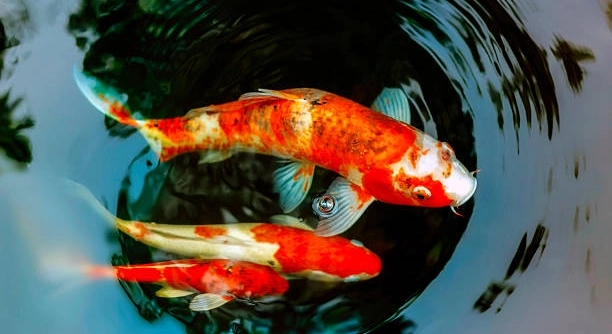
Koi fish splashing at the water’s surface is a common sight in ponds and gardens. This behavior often catches the attention of hobbyists and casual observers alike. Understanding why koi splash can enhance your appreciation of these beautiful fish.
Koi fish splash at the surface primarily to breathe, communicate, or respond to environmental stimuli. Splashing helps them take in oxygen when the water has low oxygen levels, signals social interactions, or reacts to changes in their surroundings.
Knowing the reasons behind this behavior can help you maintain a healthier environment for your koi. This insight supports better care and a deeper connection with your aquatic pets.
Reasons Why Koi Fish Splash
Koi splash at the surface for several key reasons, often related to their health and environment. One of the most common reasons is to get extra oxygen. When the water in the pond has low oxygen levels, koi will break the surface to gulp air. This behavior can increase when the weather is hot, or the pond is crowded. Splashing can also be a way koi communicate with each other. They use it to show excitement or warn others. Sometimes, koi splash because they are feeding or searching for food near the surface. Additionally, splashing may occur if there are irritants like bugs or parasites on their skin. It is important to observe the frequency and context of splashing to ensure it is normal behavior and not a sign of stress or illness. Keeping the pond clean and well-oxygenated can help reduce excessive splashing.
Koi that splash often when the oxygen is low are trying to stay comfortable and healthy in their environment.
Watching koi splash can show you a lot about their current living conditions. Regularly checking the pond’s oxygen levels and water quality will help your koi stay calm and happy. Splashing can signal a need for action, like aerating the water or feeding adjustments. Learning these signs early helps prevent bigger problems and keeps the pond balanced for your fish. It’s a small behavior with important clues behind it.
How to Improve Oxygen Levels in Your Pond
Improving oxygen levels can reduce splashing and promote healthier koi. Adding aeration devices like air pumps or fountains helps circulate oxygen through the water.
Keeping plants balanced and avoiding overcrowding supports oxygen levels naturally. Plants produce oxygen during the day but consume it at night, so a good mix is important. Removing debris and waste regularly prevents oxygen depletion caused by decay. Cold water holds more oxygen, so shading parts of the pond during hot weather can help. Monitoring water temperature and clarity is essential for maintaining ideal conditions. Using a pond test kit to check oxygen levels can guide your care routine.
Consistent attention to water quality ensures koi breathe easily and reduce stress behaviors such as splashing. Proper pond maintenance improves the overall health of your fish and their environment. If you notice persistent splashing, it might indicate the need for changes in pond aeration or cleaning schedules. Keeping your pond well-oxygenated helps koi feel more comfortable and lowers the chance of illness.
Splashing as a Sign of Social Behavior
Koi use splashing to communicate with each other. It can signal excitement or establish dominance within the group. This behavior helps maintain social order.
When koi splash near each other, it often means they are interacting socially. Sometimes, it is a form of play or courtship, especially during warmer months. Splashing can also show territorial behavior, where one fish warns another to keep distance. Watching how koi splash can give insight into their relationships and hierarchy. This social aspect of splashing is natural and usually harmless unless it becomes aggressive. Understanding these cues can help you support a peaceful pond environment.
In group settings, koi will splash to express their mood or status. Recognizing these signals can help in managing koi groups effectively and reducing stress-related behaviors.
Environmental Factors Affecting Splashing
Water quality and temperature strongly influence how much koi splash. Poor water quality, such as high ammonia or nitrite levels, can cause irritation and increase splashing. Warm water holds less oxygen, which also leads to more surface activity.
Maintaining clean water with regular testing is key to reducing unnecessary splashing. Changes in temperature, sunlight, or even noise can startle koi and cause them to splash suddenly. Strong winds or heavy rain can create surface disturbances that lead to increased fish movement. Additionally, sudden changes in the pond environment, such as adding new fish or decorations, may stress koi, causing more splashing. Keeping a stable, calm environment helps koi feel secure and lowers splashing caused by environmental stressors. Proper filtration, aeration, and regular water changes contribute to a balanced pond ecosystem where koi are less likely to splash excessively.
Feeding and Splashing
Koi often splash when they feed at the surface. This is because they quickly snap at food or compete for treats. Splashing during feeding is normal and usually harmless.
Sometimes, too much splashing at feeding time can mean the fish are stressed or hungry. Adjusting feeding habits can help reduce excessive splashing.
Splashing Due to Irritation or Parasites
Irritation from parasites or poor water conditions can cause koi to splash more. They may try to dislodge pests or relieve discomfort by splashing at the surface. Watching for other signs like scratching or changes in appearance can help identify these issues.
How to Reduce Splashing
Keeping water clean, well-aerated, and feeding koi properly are key steps to reduce splashing. Consistent care creates a calmer environment for the fish.
Monitoring Koi Behavior
Regular observation helps spot changes in splashing patterns. Noticing new or increased splashing early can prevent bigger health problems.
FAQ
Why do koi fish splash more during hot weather?
Koi splash more in hot weather because warm water holds less oxygen. When oxygen levels drop, koi come to the surface to gulp air, which causes splashing. Heat can also make koi more active, increasing movement near the surface. Providing shade and aeration helps keep oxygen levels steady in warm conditions.
Is splashing a sign of stress in koi?
Yes, frequent or aggressive splashing can be a sign of stress. Stress may come from poor water quality, overcrowding, parasites, or sudden changes in the pond environment. It’s important to check water parameters and observe for other signs like lethargy or loss of appetite when splashing increases.
Can splashing harm koi fish?
Generally, splashing itself does not harm koi. However, excessive splashing caused by stress or irritation might indicate health problems. Persistent splashing should prompt a check of water quality and fish health to prevent illness.
How can I tell if koi are splashing because of parasites?
If koi splash frequently and try rubbing against surfaces, it may indicate parasites. Other signs include visible spots, redness, or damaged fins. If parasites are suspected, testing water and consulting a vet or fish expert is advised to start treatment quickly.
Does feeding cause more splashing?
Yes, feeding time often leads to splashing as koi compete for food at the surface. This is normal behavior but can become excessive if fish are overcrowded or hungry. Feeding smaller amounts more frequently can help reduce frantic splashing.
What can I do to reduce splashing in my pond?
To reduce splashing, maintain good water quality with proper filtration and aeration. Avoid overcrowding and keep water temperature stable. Feeding koi appropriately and removing irritants like parasites will also help. Creating calm water areas with plants or decorations can lower surface disturbances.
Is splashing different during koi breeding season?
During breeding season, koi may splash more as part of courtship behavior. Males often chase females and create splashes to show dominance. This type of splashing is natural and usually temporary, lasting only a few weeks.
Can poor pond design cause koi to splash more?
Yes, poor pond design that limits oxygen flow or creates stagnant areas can increase splashing. Lack of proper aeration or overcrowded spaces forces koi to the surface more often. Improving pond layout with aerators and space for fish to swim freely can reduce splashing.
How often should I check my pond water to prevent splashing?
Checking pond water at least once a week helps maintain ideal conditions. Test for oxygen, pH, ammonia, nitrites, and nitrates regularly. Keeping these balanced prevents stress-related splashing and keeps koi healthy.
Is splashing louder in smaller ponds?
Splashing can seem louder in smaller ponds because the water volume is less, and sounds carry more easily. Small ponds may also have less oxygen, causing koi to splash more often. Adding aeration and ensuring proper filtration can reduce noise and splashing in small ponds.
Koi fish splashing at the surface is a natural behavior with several reasons behind it. Often, it is related to their need for oxygen, especially when the water has lower levels of it. Warm weather and crowded ponds can make koi more likely to splash as they try to get more air. Splashing can also be part of how koi communicate with each other or show excitement during feeding times. Sometimes, splashing happens because the fish feel irritated by parasites or changes in their environment. Watching your koi and understanding their splashing helps you take better care of them and keep their pond healthy.
Maintaining a clean and well-aerated pond is one of the best ways to reduce excessive splashing. Proper filtration, regular water changes, and adding devices like fountains or air pumps improve oxygen levels, making koi more comfortable. It is also important to avoid overcrowding your pond, as too many fish can lower water quality and cause stress. Feeding koi properly and on a regular schedule helps prevent frantic splashing caused by hunger or competition. Keeping the pond environment stable, with balanced temperature and good water quality, supports your koi’s well-being and limits unnecessary splashing.
Splashing can be a helpful sign that lets you know how your koi are doing. If splashing becomes more frequent or seems unusual, it may indicate a problem like poor water quality, parasites, or stress. Paying attention to changes in your koi’s behavior and checking water regularly can prevent bigger issues. Overall, understanding why koi splash at the surface allows you to create a safer and more comfortable home for your fish. Taking these steps will help your koi thrive and keep your pond peaceful for everyone to enjoy.

Hello,
If you enjoy the content that we create, please consider saying a "Thank You!" by leaving a tip.
Every little bit helps us continue crafting quality advice that supports the health, happiness, and well-being of pets around the world, for pets of all shapes, sizes, and species.
We really appreciate the kindness and support that you show us!