
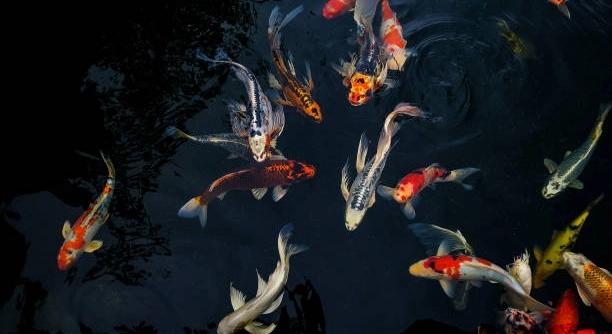
Do you ever find yourself setting up a koi pond and wondering what these colorful fish truly need to stay healthy and happy?
Koi fish need a clean, spacious pond with proper filtration, stable water temperatures, oxygenation, shade, safe plants, and regular feeding. These elements support their health, reduce stress, and encourage vibrant colors and active behavior.
Each part of a koi’s environment matters, and understanding these needs can help prevent common issues before they arise.
A Clean and Filtered Pond
A koi pond must stay clean for koi to thrive. Without clean water, harmful bacteria and waste can build up quickly, leading to sickness. Using a proper filtration system is the most effective way to remove debris, excess food, and waste from the water. Mechanical filters trap solids, while biological filters break down toxins. It’s also important to avoid overcrowding, which adds stress and increases waste levels. Clean water helps koi stay active, grow steadily, and avoid diseases like fin rot or ulcers. Regular water testing ensures that pH, ammonia, and nitrate levels are within safe ranges. When you keep the pond clean and balanced, koi can swim comfortably and display their bright, healthy colors. You don’t need a huge budget to keep things clean—just consistent care and the right tools. Keeping up with maintenance is the key. Clean water is one of the most basic needs koi have.
Always rinse filter media with pond water, not tap water, to keep helpful bacteria alive.
Skipping routine cleanings can make your koi sick. Taking time to remove sludge, trim dead plants, and monitor water quality can make a big difference. A clean pond doesn’t just look better—it helps koi live longer and stay healthier.
Proper Oxygen Levels
Koi need oxygen to breathe, just like any other fish. Low oxygen levels can cause them to gasp at the surface or stop eating.
Ponds get oxygen from surface movement, mainly through waterfalls, fountains, or air stones. Without enough oxygen, koi become stressed, which makes them more likely to get sick. Warmer water naturally holds less oxygen, so during summer, extra aeration is often needed. The deeper the pond, the better it can maintain stable oxygen levels. At night, oxygen drops slightly, especially in ponds with too many plants, since plants consume oxygen when there’s no sunlight. Using an air pump during the night helps keep levels stable. It’s a good idea to check oxygen levels when you notice changes in koi behavior. Signs like slow movement or gasping may mean they need more air. Even if your pond looks fine, keeping oxygen levels balanced is one of the most overlooked but important parts of koi care.
Stable Water Temperature
Koi fish do best in stable water temperatures between 59°F and 77°F. Sudden temperature swings can weaken their immune system and make them more prone to stress and disease, especially in shallow or poorly shaded ponds.
A deeper pond helps keep temperatures steady, especially during hot summer days or cold winters. Shade from aquatic plants or a nearby tree can prevent the water from heating too fast. In colder areas, pond heaters or de-icers are useful during winter to keep the water from freezing completely. Avoid placing the pond in full sunlight, as this not only heats the water quickly but can also lead to algae growth. During extreme weather, monitor the water daily. Sudden drops or spikes in temperature may require you to move your koi temporarily or use covers and insulation. Keeping a thermometer in the pond helps you stay on top of any shifts.
If your pond is too shallow, your koi are more vulnerable to sudden cold snaps or heat waves. Depth gives them a safer zone where the temperature changes more slowly. When the surface gets too warm or too cold, koi will naturally swim lower to find a comfortable spot. A pond that’s at least three feet deep offers this protection and helps them stay relaxed.
Safe Plants and Hiding Spots
Aquatic plants give koi shade and protection. Plants like water lilies, lotus, and anacharis can help cool the water and provide spots for koi to rest or hide.
Koi are curious and may nibble or uproot plants, so it’s important to choose hardy ones. Use plant baskets or weighted pots to anchor them. Avoid plants that are toxic to koi, such as azaleas or oleander. You can also use floating plants like water lettuce or hyacinth to reduce sunlight and algae. Along with plants, add features like large rocks, tunnels, or ceramic pots to create hiding spots. These areas help koi feel safe, especially during storms or if predators are nearby. When koi have safe places to hide, they’re less stressed and more likely to behave calmly. A well-planted pond balances beauty and protection without much effort.
Balanced Feeding Routine
Overfeeding koi leads to leftover food, which dirties the water and affects their health. It’s better to feed small amounts once or twice a day and remove any uneaten food after a few minutes.
Choose food made for koi with proper nutrients. In colder weather, switch to wheat germ-based food as digestion slows.
Protection from Predators
Herons, raccoons, and even cats can pose a threat to koi. Adding netting, motion-activated sprinklers, or decoy predators can help keep them away.
Koi also feel safer with deep water and hiding spots like large pots or tunnels. These simple steps make it harder for predators to reach them.
Proper Lighting Schedule
Too much direct sunlight can stress koi and overheat the pond. Aim for a mix of sun and shade throughout the day. If needed, use a shade cloth or plant trees nearby.
FAQ
How often should I clean my koi pond?
It’s best to clean your koi pond every week by removing debris, trimming plants, and checking filters. A deeper cleaning should be done every few months, which includes removing sludge from the bottom and rinsing the filter media with pond water. Keeping the pond clean prevents harmful buildup and keeps the koi healthy. Regular light maintenance is easier and more effective than waiting until the pond becomes dirty or cloudy. Avoid draining the pond fully unless absolutely necessary, as that can stress your koi and upset the pond’s balance.
What’s the ideal pond size for koi fish?
A good koi pond should be at least 1,000 gallons and at least three feet deep. Bigger ponds give koi more room to swim, help keep the water temperature stable, and allow for better oxygen levels. More space also means less stress and cleaner water. Koi grow large—sometimes over two feet long—so cramped ponds can quickly become a problem. If you’re planning to keep several koi, aim for a larger size from the start. A bigger pond is easier to maintain and healthier for your fish in the long run.
Can koi survive winter outside?
Yes, koi can survive winter outside if the pond is deep enough—at least three feet—to prevent it from freezing completely. In colder climates, use a pond heater or de-icer to keep a small area from icing over. This opening lets harmful gases escape and oxygen enter. Don’t feed your koi when the water drops below 50°F; their digestion slows down, and uneaten food can cause problems. Koi usually rest near the bottom in winter, moving very little. As long as the pond is prepared and maintained properly, they’ll make it through the cold months.
Why is my koi fish hiding all the time?
Koi often hide when they’re scared, stressed, or not feeling well. Loud noises, new fish, or sudden changes in water quality can make them stay in hiding. Check for signs of sickness, like clamped fins or dull colors. Make sure there are enough shaded or covered areas in the pond for them to feel secure. If they always hide during the day but swim normally at night, it might mean the pond is too exposed. Adding more plants or tunnels can help them feel safer and reduce stress.
How do I know if my koi are healthy?
Healthy koi swim actively, have bright colors, and eat regularly. Their fins should be open and smooth, and they should respond when you approach. Signs of trouble include staying near the surface gasping, clamped fins, ulcers, white patches, or lack of appetite. A sudden change in behavior is often the first clue. Regular water testing is important to catch any imbalances that might affect their health. Koi can’t tell you when something’s wrong, so watching them closely and acting quickly makes a big difference in keeping them well.
Do koi fish get along with other pond fish?
Koi usually get along with peaceful fish like goldfish. They don’t have teeth or aggressive habits, so they won’t chase or attack others. However, they can outgrow and outcompete smaller fish for food. If you add other fish, make sure they like the same water conditions and don’t nip at koi fins. Avoid mixing koi with aggressive species, which can cause stress or injury. Always watch how they behave after adding new fish. A balanced mix of fish can help control algae and insects, but make sure the pond is large enough to support all of them.
How often should I feed my koi?
Feed koi once or twice a day when the water is above 50°F. Only give them what they can eat in five minutes. Too much food leads to dirty water and health problems. In cooler months, their metabolism slows, so switch to a wheat germ-based food or stop feeding altogether if the water gets below 50°F. Overfeeding is a common mistake, so keeping the portions small and the feeding regular is safer. Watching how your koi react to feeding time also helps you spot early signs of illness.
Final Thoughts
Caring for koi fish means creating an environment that supports their health, comfort, and natural behaviors. A clean, filtered pond with proper oxygen, stable water temperature, and safe plants makes a big difference in how your koi feel and act. These needs may seem basic, but they are often overlooked. Simple things like monitoring water quality or adjusting feeding routines can prevent many problems before they start. Koi are sensitive to their surroundings, and their well-being depends heavily on how steady and clean their environment stays. Even though they are hardy, they still need regular care and attention.
Your koi don’t need anything fancy, just consistency. Feeding them the right amount, keeping the pond free of waste, and checking for signs of stress or illness can go a long way. If they have places to hide, enough space to swim, and protection from sudden weather or predators, they’re more likely to stay healthy. Koi are long-living fish—some can live over 20 years when properly cared for—so building a good routine helps them thrive for the long term. Every part of the pond works together, and keeping a balance is key. Watching them swim calmly and respond to you is often a sign that you’re doing things right.
Even small adjustments can improve their environment. A shaded area, deeper pond section, or a well-placed aerator can change how your koi behave and feel. Try not to make big changes all at once, as koi do better with gradual shifts. If you’re unsure about something, it’s always better to check water levels, observe the fish, or ask someone with experience. Koi care doesn’t have to be complicated, but it does take a bit of time and thought. With patience and attention, your pond can become a peaceful space—not just for the koi, but for you too. Watching them glide through clean water, exploring their surroundings, and interacting with each other brings a quiet satisfaction that many people grow to enjoy. Keeping koi is not just about the fish, but about creating a healthy, balanced space that everyone can appreciate.

Hello,
If you enjoy the content that we create, please consider saying a "Thank You!" by leaving a tip.
Every little bit helps us continue crafting quality advice that supports the health, happiness, and well-being of pets around the world, for pets of all shapes, sizes, and species.
We really appreciate the kindness and support that you show us!