
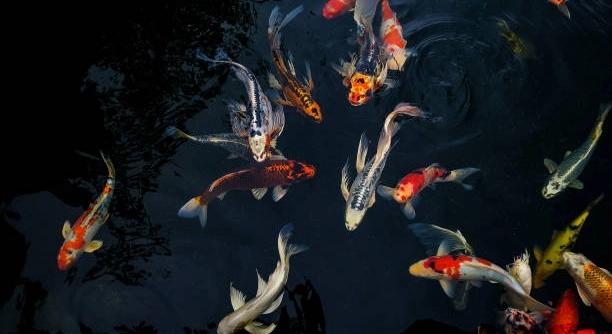
Keeping koi fish safe from birds is a common concern for pond owners. Birds can pose a threat by preying on koi or causing stress that affects their health. Protecting these beautiful fish requires effective and practical methods.
Implementing physical barriers such as netting or covers is the most effective approach to prevent bird attacks on koi ponds. Additional strategies include using decoys, motion sensors, and pond design modifications to minimize bird access and reduce predation risks.
These seven methods offer practical solutions to enhance koi safety and maintain a peaceful pond environment for your fish to thrive. Understanding them will help you choose the best protection for your koi.
Using Bird Netting Over the Pond
Bird netting is one of the most reliable ways to protect koi from birds. It acts as a physical barrier that keeps birds from reaching the water surface and the fish. The netting should be installed tightly above the pond, allowing enough space so the koi have room to swim freely underneath. Choosing the right mesh size is important; it must be small enough to block birds but large enough to let sunlight and rain through. Regularly check the netting for any tears or gaps where birds could enter. Proper installation and maintenance of netting can greatly reduce bird attacks without disturbing the pond’s ecosystem or the koi’s natural behavior.
Netting provides a direct shield against birds and can last for years if properly cared for.
While installing netting might seem like a big task, it pays off by offering consistent protection. Make sure to secure the edges firmly so birds can’t slip underneath. Some nettings come with built-in tensioning systems to make setup easier. It’s also possible to use poles or frames to keep the net elevated without touching the water. This prevents damage to both net and fish. Additionally, netting is effective against other predators, making it a versatile solution for koi safety. Clean the net regularly to avoid debris build-up and maintain water quality. Bird netting is a straightforward, long-term method that gives koi a safer environment with less disturbance.
Adding Decoys to Deter Birds
Decoys can discourage birds from visiting the pond. These visual deterrents mimic predators or unfamiliar animals.
Decoys like fake owls or herons scare away birds by creating a sense of danger. However, birds can get used to stationary decoys if they do not move. To increase effectiveness, change their position regularly or use decoys with moving parts. Some models have reflective eyes or make sounds to add realism. Placing decoys near entry points or common landing spots helps keep birds away. Decoys work best when combined with other protection methods like netting or motion sensors, increasing overall koi safety.
Decoys add a simple layer of protection, reducing bird visits without harming them.
Motion-Activated Sprinklers
Motion-activated sprinklers startle birds by spraying water when they detect movement near the pond. This sudden burst of water discourages birds from approaching without harming them.
These devices are effective because they use an unexpected stimulus to keep birds away. The sprinklers can be set to cover large areas around the pond, ensuring no entry points are left unprotected. The water spray does not disturb the koi if positioned correctly, but it does create an unpleasant experience for birds, making them less likely to return. Maintenance involves checking sensors and water supply regularly to keep the system functional. They are eco-friendly and do not require chemicals or traps.
Motion-activated sprinklers provide a non-lethal, hands-off method to protect koi. They help maintain a natural pond environment while reducing bird interference, contributing to koi safety and comfort.
Pond Design Modifications
Design changes can reduce bird access and make the pond less attractive as a feeding spot. Deeper edges and uneven banks limit where birds can stand or hunt.
Adding plants along the edges creates natural cover that birds avoid. Plants also provide shade and improve water quality. Shallow areas should be minimized since birds prefer hunting there. Installing rocks or logs near the pond limits landing spots. Creating a pond shape with narrow edges reduces exposed surfaces. These design elements discourage birds by making the environment less suitable for them to fish safely. While some modifications may require effort and cost, they offer long-term benefits for koi protection. They also enhance the pond’s aesthetic and ecological balance, supporting koi well-being.
Installing Overhead Wire Grid
An overhead wire grid creates a barrier above the pond without fully blocking sunlight. It physically prevents birds from swooping down to catch koi.
The grid should be sturdy but discreet, installed a few feet above the water. It allows koi to swim freely while stopping bird attacks effectively.
Using Reflective Surfaces
Reflective surfaces like aluminum foil strips or old CDs can scare birds away. The light flashes and movement confuse and deter them.
Placing these around the pond’s perimeter or hanging them near the water’s edge is an easy and low-cost bird deterrent.
Providing Alternative Bird Feeding Areas
Offering birds a separate feeding spot away from the pond can reduce their interest in koi. Use bird feeders with seeds and water in a safe location.
This strategy distracts birds, encouraging them to stay elsewhere instead of hunting koi in the pond. It helps keep both birds and koi safe.
FAQ
How do birds harm koi fish?
Birds, especially herons and kingfishers, can prey on koi by catching and eating them. They often target smaller or weaker fish near the pond surface or edges. Even if birds do not catch koi, their presence can stress the fish, reducing immunity and growth.
Are bird nettings safe for koi fish?
Yes, bird nettings are generally safe when properly installed. The net should be suspended above the water, allowing koi to swim freely without touching it. This setup prevents koi from getting tangled and ensures good water circulation and sunlight penetration.
Can decoys really keep birds away long-term?
Decoys work best when moved regularly. Birds may get used to stationary decoys over time and ignore them. Combining decoys with other methods like netting or sprinklers improves effectiveness. Changing decoy position and type keeps birds wary.
Do motion-activated sprinklers harm koi or other wildlife?
No, these sprinklers use water to deter birds and do not harm koi or wildlife. The spray is sudden but harmless and usually directed away from the pond surface. This method is eco-friendly and avoids chemical use.
How often should I check and maintain bird deterrent tools?
Regular checks are necessary to ensure effectiveness. Inspect netting for tears monthly and repair as needed. Test sprinklers seasonally to verify sensors work. Clean reflective surfaces to keep them shiny. Proper maintenance prolongs protection and reduces repair costs.
Can pond design changes completely prevent bird attacks?
While pond design modifications reduce bird access and attractiveness, they rarely stop attacks entirely. Design changes are best combined with barriers or deterrents. Depth, plant placement, and edge shape help but cannot fully replace physical protections.
Is it better to scare birds away or provide alternative feeding areas?
Both methods work best together. Scaring birds keeps them away from koi ponds, while feeding stations attract them elsewhere. Alternative feeding areas reduce bird interest in ponds naturally and lower predation pressure.
Are there any risks to using reflective deterrents?
Reflective deterrents are safe but may lose effectiveness if birds get used to them. They can also reflect light into nearby windows, which might be distracting. Positioning these carefully reduces such issues.
What should I do if a bird is already caught in my pond netting?
If a bird becomes trapped, carefully and calmly free it to avoid injury. Wear gloves and gently untangle the bird. Contact local wildlife rescue if you’re unsure how to help. Prevent this by using tight netting and monitoring regularly.
Can these methods be used for other pond fish besides koi?
Yes, the methods protect most pond fish from bird predation. Fish like goldfish, bass, or trout benefit similarly from netting, deterrents, and pond design changes to reduce bird threats.
Will using multiple methods confuse or harm birds?
Using several non-lethal methods together can effectively discourage birds without harming them. The goal is to make the pond an unattractive hunting spot. Avoid lethal traps or poisons, which can cause unnecessary suffering and disrupt local ecosystems.
How do seasonal changes affect bird protection strategies?
Bird activity often increases during migration and breeding seasons, requiring more vigilance. Some deterrents may need adjustment for winter or rainy periods. Netting usually remains effective year-round, but other tools might require repositioning or storage.
Is it necessary to inform neighbors when installing bird deterrents?
It is courteous to inform neighbors if deterrents like sprinklers or reflective devices might affect their property. Open communication helps avoid misunderstandings and maintains good relations.
How do I choose the right bird deterrent for my pond?
Consider pond size, bird species common in your area, budget, and maintenance willingness. Physical barriers like netting are most reliable but require installation effort. Decoys and reflective devices are low-cost but less effective alone. Combining methods tailored to your situation works best.
Final Thoughts
Keeping koi safe from birds requires consistent effort and a combination of methods. No single solution works perfectly on its own, so using multiple strategies increases protection. Physical barriers like bird netting provide a reliable shield by preventing birds from reaching the fish. Adding deterrents such as motion-activated sprinklers and reflective surfaces creates an environment that is uncomfortable for birds but safe for koi. These techniques reduce bird visits and help keep koi stress-free, which is important for their health and growth.
Pond design also plays an important role in bird prevention. Features like deeper edges, plants, and limited shallow areas make the pond less attractive to hunting birds. Thoughtful placement of rocks or logs can limit landing spots, discouraging birds from lingering. While design changes take time and sometimes extra cost, they improve the pond’s natural balance and reduce the need for constant active deterrents. Combining design with protective tools creates a more secure home for koi and minimizes disturbance from wildlife.
It is also essential to maintain the chosen methods regularly. Checking netting for holes, testing sprinkler sensors, and repositioning decoys keep the protection effective. Birds can become used to static deterrents if not adjusted, so variation is key. Additionally, providing alternative feeding areas for birds can help divert their attention away from the pond. Overall, protecting koi from birds is about balance—keeping the fish safe without harming the birds or disrupting the pond ecosystem. With careful planning and ongoing care, koi can thrive in a safe and peaceful environment.

Hello,
If you enjoy the content that we create, please consider saying a "Thank You!" by leaving a tip.
Every little bit helps us continue crafting quality advice that supports the health, happiness, and well-being of pets around the world, for pets of all shapes, sizes, and species.
We really appreciate the kindness and support that you show us!