
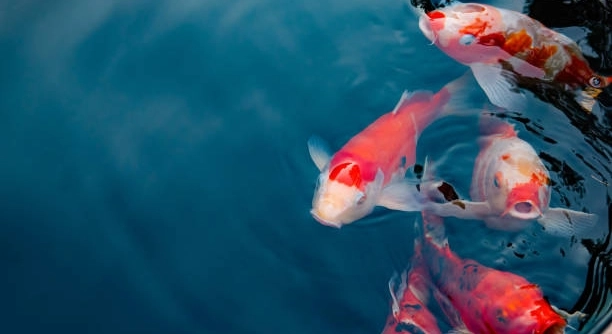
Are your koi fish starting to mature and you’re wondering how to tell the males from the females in your pond?
The key differences between male and female koi include variations in body shape, fin structure, behavior, and physical texture. These traits become more noticeable as the fish mature and during the breeding season.
Understanding these features can help you better care for your koi, especially during breeding months or when selecting fish for shows.
Body Shape and Size Differences
Male and female koi often show clear differences in their body shapes. Males tend to have slimmer, more streamlined bodies, while females usually appear rounder and fuller, especially when they are carrying eggs. The rounded shape of a female koi becomes more obvious during breeding season. This can also make them seem larger overall. Males may look smaller but are often more active and quicker in the water. These physical differences are easiest to spot when the fish are mature, usually around three years of age. Observing them from above, especially during feeding time, can help make these traits more noticeable. It’s important not to rely on size alone, though. Some koi simply grow at different rates depending on their diet, genetics, and environment. When trying to identify sex, consider other signs in addition to body shape to make sure you’re not making assumptions based on growth alone.
The roundness of females is not just about size—it helps with egg carrying. Males remain sleek.
Knowing this helps you separate koi correctly during breeding time or when planning for tank space, since larger females might need more room. Watching how their bodies develop as they age makes a difference in how you care for them over time.
Fin Shape and Pectoral Texture
Male koi have more pointed and larger pectoral fins, often appearing more rigid.
In addition to body shape, the structure and texture of fins—especially the pectoral fins—can offer useful clues. Male koi generally have longer, pointier, and stiffer pectoral fins than females. These fins can take on a slightly milky or rough appearance during breeding season, caused by small white growths known as breeding tubercles. These are harmless and natural during this period. Females, on the other hand, tend to have smaller, rounder, and smoother fins without the rough breeding texture. These differences can be subtle when the fish are young but become more visible as they grow older. Gently observing fin shape while the koi swim or while they rest near the surface can make it easier to tell the difference. If you are planning to breed koi or are selecting fish for specific tanks, recognizing these signs can help ensure a healthy and balanced group.
Breeding Season Behavior
Male koi tend to chase females more aggressively during breeding season.
This chasing behavior is part of the natural spawning process. Males will often swim behind or beside a female, nudging her sides to encourage the release of eggs. This can look intense and may even seem aggressive, especially in a small pond. Females, in contrast, appear less active and usually try to avoid the males. During this time, males become more territorial and active, while females seem more passive. Watching their interactions during these warmer months can help you tell the difference. Make sure your pond is large enough to reduce stress on the female being chased. A breeding net or a separate tank may be needed if things get too rough. These behaviors are normal, but keeping an eye on them ensures the safety of all your fish during this active time.
You’ll also notice that males become more active overall, even when not directly chasing a female. Their movements may seem sharper, quicker, and more persistent, often circling or darting. Females may rest more and seem heavier as they carry eggs. When a group of koi is observed, these patterns can make it easier to pick out who is who. Just remember that not all koi behave in exactly the same way. There can be exceptions, especially in younger or less dominant males. Over time, though, you’ll begin to spot these patterns more quickly and with more confidence, especially during repeat breeding seasons.
Vent Shape and Texture
The vent area of a koi, located near the anal opening, is another detail that helps in sexing.
In females, the vent is often more rounded, soft, and protrudes slightly. It may appear swollen during the breeding season. In males, the vent is smaller, tighter, and more indented. You can sometimes observe these differences by gently turning the koi over in your hands—though this should only be done if you are confident and careful, as koi can become stressed or injured. A better approach may be to watch during spawning, when these differences become easier to see naturally. Although vent shape is not the first feature most people notice, it can be one of the more accurate ways to confirm the sex of mature koi when combined with other physical and behavioral signs. Always handle your koi gently and use clean, wet hands to avoid harming their delicate scales.
Color and Skin Texture
Male koi often have brighter, more defined colors, especially during breeding season.
Females usually have slightly duller tones and smoother, softer skin. Males may also develop a rough texture on their gill covers and fins when ready to spawn. This temporary change is part of their reproductive readiness.
Swimming Patterns and Activity
Males tend to swim with quick, sharp movements, especially when other koi are around. Their activity level is generally higher, and they’re often seen darting or circling. Females usually swim slower, with steadier movements. Their larger body size can also make them appear more graceful or sluggish in comparison.
Age and Maturity Signs
Sex differences become much clearer as koi age, usually around 2 to 3 years old. Younger koi may look very similar, making it hard to tell them apart. Once they’re mature, physical and behavioral traits become easier to spot. Patience is key if you’re waiting to sex younger fish.
FAQ
How can I tell the difference between male and female koi without handling them?
You can observe body shape, fin size, swimming patterns, and behavior during breeding season to help tell males and females apart. Males usually have slimmer bodies, larger and more pointed pectoral fins, and swim more actively and sharply. Females tend to be rounder and move more slowly. Watching koi during warmer months when breeding behavior is more visible makes this easier without touching them.
Is it possible to sex koi before they reach maturity?
It is difficult to reliably sex koi before they are about 2 to 3 years old. Young koi look very similar in shape and size. Their sexual traits, like breeding tubercles on males or rounded body shape in females, usually don’t develop clearly until maturity. Patience is necessary if you want to wait for physical and behavioral signs to appear naturally.
What are breeding tubercles, and why do only males have them?
Breeding tubercles are small, white, rough bumps that appear on the head and pectoral fins of male koi during spawning season. They help males stimulate females to release eggs by rubbing against them. Females do not develop these tubercles. They are a natural, harmless part of male koi’s reproductive cycle and disappear after breeding season ends.
Can I separate males and females in my pond to control breeding?
Yes, separating males and females can prevent unwanted spawning. Males become very active and may stress females by chasing them constantly during breeding season. If you want to control breeding or reduce stress, placing females in a separate tank or breeding net during the spawning months is a good idea. This helps protect their health and keeps your pond environment calmer.
Does diet affect how male and female koi develop or look?
Diet plays a role in the overall health and growth of koi, but it does not change their sex-specific traits. Well-fed koi will grow larger and show brighter colors, but the differences in body shape, fin size, and breeding behavior between males and females remain the same. Providing a balanced diet supports healthy development regardless of sex.
How long does breeding season last for koi?
Breeding season usually lasts several weeks during late spring to early summer when water temperatures reach around 68°F (20°C) or higher. During this time, males become more aggressive and breeding behaviors like chasing and tubercle development appear. After spawning, these behaviors and physical changes slowly fade as the season ends.
Is it harmful if male koi chase females too much?
Excessive chasing can stress females, especially in smaller ponds where they have little space to escape. This stress can lead to weakened immune systems or injury. Providing enough space, hiding spots, or temporarily separating females during peak spawning times helps prevent harm and keeps your koi healthy.
What should I do if I want to breed my koi?
To breed koi successfully, separate males and females before breeding season. Introduce them to a clean, warm pond or tank with plenty of plants or spawning mats. Monitor their behavior closely—males will chase females and develop tubercles. After eggs are laid, remove adults to protect the eggs from being eaten. Proper care of water quality and temperature improves hatching success.
Can physical differences between males and females change with age?
Most physical differences become more distinct as koi mature but generally remain consistent once fully grown. Some older females might appear bulkier due to egg development, while males maintain a leaner body. Color intensity and fin shape differences usually stay stable, though individual koi can vary depending on health and environment.
Are there koi breeds where sex differences are harder to see?
Yes, certain koi varieties with heavy patterning or specific colors can make it harder to spot sex differences, especially in young fish. In these cases, behavior during breeding season or vent examination may be more reliable. Experience and careful observation improve your ability to sex these koi over time.
When it comes to telling male and female koi apart, paying attention to their physical and behavioral traits is very helpful. Body shape is one of the easiest ways to start. Females tend to be rounder and fuller, especially when they are carrying eggs. Males usually have slimmer, more streamlined bodies. You may also notice differences in fin shape and texture. Males often have larger, pointed pectoral fins with a rougher feel during breeding season. These details become clearer as the koi grow older and mature. Watching your koi over time allows you to spot these differences naturally without needing to handle them often.
Behavior also plays an important role in identifying the sex of koi. During breeding season, males become more active and may chase females around the pond. This chasing is a natural part of their mating behavior but can be stressful for the females if the space is small. Females often swim more slowly and avoid the males’ advances. Additionally, males develop small white bumps called breeding tubercles on their fins and heads. These signs usually appear in spring or early summer when the water warms. Paying attention to these behaviors during this time of year can make it easier to tell males and females apart.
While it can be tricky to sex young koi, the differences become easier to spot once they reach about two to three years old. Until then, it’s best to be patient and observe rather than trying to force a decision. Handling koi can cause stress and injury if done improperly, so relying on visual clues and natural behavior is safer. Knowing how to identify male and female koi helps with breeding management, pond care, and even selecting fish for shows or collections. Taking the time to learn these key differences will improve how you care for your koi and understand their needs better.

Hello,
If you enjoy the content that we create, please consider saying a "Thank You!" by leaving a tip.
Every little bit helps us continue crafting quality advice that supports the health, happiness, and well-being of pets around the world, for pets of all shapes, sizes, and species.
We really appreciate the kindness and support that you show us!