
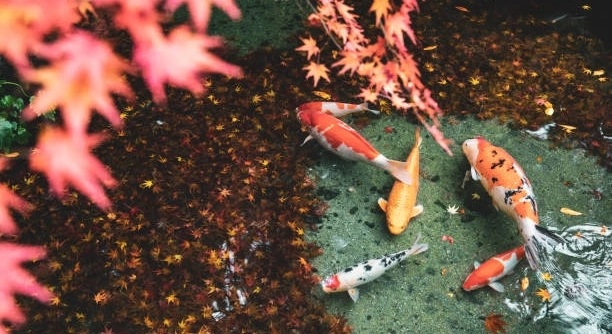
Koi fish are popular in outdoor ponds due to their beauty and calm nature. Their well-being depends on water temperature, which affects their behavior and health during colder periods. Recognizing when a koi is cold is important for proper care.
Signs that a koi fish is cold include slowed movement, reduced appetite, and spending more time near the bottom of the pond. These behaviors result from lower metabolic activity caused by cold water temperatures, which can stress the fish if prolonged.
Knowing these signs helps maintain koi health and prevent complications. Proper care during colder times supports their survival and overall well-being.
How Cold Affects Koi Fish Behavior
Cold water slows down a koi fish’s metabolism, causing it to move less and eat sparingly. Their immune system weakens, making them more vulnerable to disease. Koi may seek deeper, warmer areas in the pond, remaining near the bottom where temperatures are slightly higher. This behavior is natural as they conserve energy and avoid stressful conditions. However, prolonged exposure to cold can lead to lethargy, increased susceptibility to infections, and even death if not addressed. It is essential to monitor koi closely during seasonal temperature drops to ensure they remain healthy. Proper pond maintenance, including aeration and temperature regulation, supports their survival. Keeping the water clean also helps reduce the risk of disease when their immune systems are compromised.
Cold water causes koi to become less active and eat less, which can affect their overall health if conditions persist.
Watching for changes in swimming patterns and appetite can help catch cold stress early. Providing shelter and proper care during colder months reduces risks.
Signs Your Koi Fish Is Cold
A koi that is cold will often stop feeding and swim sluggishly. You might notice them staying in one spot, usually near the pond’s bottom. Their colors may also appear duller, and they may exhibit rapid gill movement as they struggle to breathe in cooler, less oxygenated water. It is important to observe these signs carefully because they indicate stress from low temperatures, which requires intervention to prevent illness.
Slowed movement and refusal to eat are clear signs of cold stress in koi fish.
In colder months, koi fish naturally reduce their activity to conserve energy, but a sudden or severe drop in temperature can make this more pronounced. Less movement means they are using fewer calories, and their immune defenses are weaker, increasing infection risk. Water temperature below 50°F (10°C) is generally stressful for koi. To protect them, pond owners can use pond heaters, cover the pond to reduce heat loss, or install aerators to maintain oxygen levels. Providing a controlled environment during winter helps koi survive harsh conditions while maintaining better health overall.
Preventing Cold Stress in Koi Fish
Maintaining stable water temperatures is crucial. Use pond heaters or floating de-icers during cold months to keep water from freezing. Aerators help maintain oxygen levels, which can drop in cold water.
A properly maintained pond can reduce the risk of cold stress in koi. Using pond heaters prevents ice from forming, allowing fish to swim freely and access oxygen. Aerators increase oxygen circulation, helping koi breathe easily even in cold water. Adding floating plants or pond covers can reduce heat loss by providing insulation and protecting the water surface from wind. Regularly checking water temperature and quality helps detect changes early. These steps together create a safer environment for koi during winter.
Besides temperature control, minimizing sudden changes is essential. Avoid feeding koi when water temperatures drop below 50°F, as their digestion slows, which can cause health problems. Gradual adjustments to water temperature and careful monitoring help koi adapt better. Keeping the pond clean and free from debris also supports fish health during colder months, reducing stress and preventing disease.
Monitoring Your Koi Fish During Cold Weather
Daily observation of koi behavior helps detect cold stress early. Watch for sluggish movement, lack of appetite, or unusual hiding. Prompt action can prevent serious health issues.
Temperature changes affect koi quickly. Regular checks ensure the pond stays within a safe range. Using a reliable water thermometer is essential for accurate readings. Changes in swimming patterns or feeding habits are warning signs that koi may be stressed. Monitoring these signs helps guide adjustments in pond care, such as increasing aeration or adding heat sources. Keeping a log of temperature and behavior can assist in tracking conditions over time, allowing better preparation for seasonal changes. Timely intervention improves koi survival during cold weather.
Ideal Water Temperature for Koi Fish
Koi thrive best between 65°F and 75°F. Temperatures below 50°F cause their metabolism to slow, leading to reduced activity and feeding.
Maintaining this temperature range supports healthy growth and immune function. Sudden drops should be avoided to prevent stress and illness.
Feeding Koi During Cold Weather
Koi eat less as temperatures fall. Feeding should be reduced or stopped when water drops below 50°F to avoid digestive problems.
Feeding cold koi can lead to undigested food, which pollutes the pond and harms water quality.
Common Mistakes to Avoid
Avoid sudden temperature changes and overfeeding. Both can stress koi and increase disease risk.
Slow, gradual adjustments and proper feeding help maintain koi health during colder months.
FAQ
How do I know if my koi fish is too cold?
If your koi fish is too cold, it will swim slowly or remain still near the bottom of the pond. They may refuse to eat and show dull colors. Rapid gill movement or staying in one spot for long periods are common signs.
Can koi fish survive freezing temperatures?
Koi can survive mild freezing temperatures if the pond does not freeze solid and oxygen levels remain adequate. A pond heater or de-icer helps prevent ice formation, ensuring the fish can access air and avoid being trapped under ice. Prolonged freezing or lack of oxygen can be fatal.
Should I feed my koi in winter?
Feeding should be reduced as water temperatures drop and stopped entirely below 50°F. Koi’s metabolism slows in cold water, so they cannot properly digest food. Feeding during cold periods risks leftover food polluting the pond and causing health problems.
What is the best way to keep koi warm in cold weather?
Using pond heaters, floating de-icers, and pond covers are effective ways to keep koi warm. Aerators help maintain oxygen levels in cold water, supporting fish health. Keeping the pond clean and stable reduces stress on koi during cold months.
How fast does water temperature affect koi behavior?
Water temperature changes can impact koi behavior within hours. Sudden drops make koi sluggish and reduce their appetite. Gradual temperature shifts allow fish to adjust with less stress. Monitoring water temperature regularly is important to prevent shock.
Can koi get sick from cold water?
Yes, cold water weakens koi immune systems, making them prone to infections like bacterial or fungal diseases. Stress from cold also slows healing and recovery. Proper pond care and temperature management reduce the risk of illness.
Is it normal for koi to be less active in winter?
Yes, koi naturally reduce activity in colder water to conserve energy. This behavior is normal but becomes a concern if the temperature is too low for extended periods or if koi stop eating altogether.
What should I do if my koi shows signs of cold stress?
Increase pond aeration and add a pond heater or de-icer to raise water temperature. Avoid feeding until water warms. Check water quality and remove debris. If symptoms worsen, consult a fish health specialist.
Can koi survive if the pond freezes over completely?
Complete freezing usually endangers koi unless the pond is very deep and has oxygenated water under the ice. A frozen pond without oxygen will suffocate the fish. Prevention with heaters or aerators is critical.
How often should I check pond temperature in cold weather?
Check water temperature daily during cold periods. Use a reliable thermometer to track fluctuations. Early detection of temperature drops allows prompt action to protect koi health.
Are there any natural ways to keep koi warm?
Floating plants and pond covers can provide insulation, helping retain heat in the water. Plant roots also offer shelter from cold wind. These natural methods complement mechanical heating and aeration.
What happens if koi eat too much in cold water?
Overfeeding in cold water leads to undigested food in their system, causing digestive issues and polluting the pond. This increases ammonia and harmful bacteria levels, risking koi health. Reducing or stopping feeding in cold months is safest.
Can koi fish hibernate?
Koi do not hibernate but enter a state of torpor, where metabolism slows significantly. They remain inactive but still breathe and move slowly. This state helps them survive cold conditions but requires stable, oxygen-rich water.
How can I improve oxygen levels in winter?
Use aerators or air pumps to increase oxygen circulation, especially under ice. Removing debris and avoiding overfeeding also help maintain good oxygen levels. Proper oxygen supply supports koi immune function during cold stress.
Is it harmful if koi cluster together in cold water?
Koi clustering in cold water is normal behavior to conserve heat and reduce energy use. It is not harmful but indicates they are trying to cope with low temperatures. Ensuring stable pond conditions supports their well-being.
What temperature is too cold for koi fish?
Water temperatures below 50°F are stressful for koi. Prolonged exposure below this threshold can lead to health issues and weakened immunity. Keeping water above this temperature during cold months is essential for koi survival.
Final Thoughts
Cold weather presents unique challenges for koi fish and their keepers. Monitoring water temperature and observing fish behavior are key steps to ensure koi remain healthy during colder months. When temperatures drop, koi slow down and reduce their activity naturally. This is a normal response to conserve energy. However, prolonged exposure to low temperatures can cause stress, weaken the immune system, and increase vulnerability to disease. Keeping a close eye on your koi’s behavior and environment helps catch potential problems early and allows you to take appropriate actions before serious issues develop.
Maintaining stable pond conditions is crucial for koi survival in cold weather. Using pond heaters or floating de-icers can prevent the water from freezing, allowing koi to move freely and breathe properly. Aeration also plays a vital role by maintaining oxygen levels, which tend to drop in colder water. Avoid feeding koi when water temperatures fall below 50°F, as their digestion slows significantly. Undigested food can pollute the water and harm both fish and pond quality. Instead, focus on keeping the pond clean and well-oxygenated until temperatures rise again. Simple steps such as these create a safer environment that supports koi health throughout winter.
Planning ahead for seasonal changes will help protect koi from the negative effects of cold water. Regularly checking water temperature and pond conditions provides essential information to adjust care as needed. Watch for signs of stress such as lethargy, lack of appetite, or abnormal swimming patterns. These signs indicate that koi need extra attention. Implementing preventive measures early reduces the risk of illness and improves fish survival. Understanding how cold affects koi allows you to provide better care and enjoy healthy, vibrant fish all year round.

Hello,
If you enjoy the content that we create, please consider saying a "Thank You!" by leaving a tip.
Every little bit helps us continue crafting quality advice that supports the health, happiness, and well-being of pets around the world, for pets of all shapes, sizes, and species.
We really appreciate the kindness and support that you show us!