
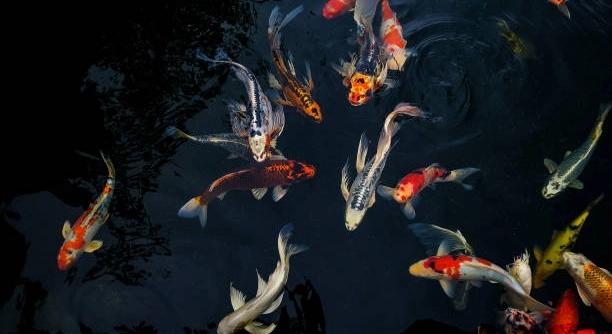
Koi fish are popular pets that bring beauty and calm to many ponds. They are sensitive creatures that react to their surroundings in unique ways. Understanding their behavior helps in creating a peaceful environment for them.
Koi fish dislike loud sounds because these noises cause stress and disrupt their natural behavior. Loud vibrations interfere with their ability to communicate and sense danger, affecting their health and well-being. Minimizing noise around their habitat promotes a calmer, healthier life for koi.
Learning about koi’s sensitivity to noise can help keep your pond peaceful and your fish comfortable. There are simple ways to protect them from disturbances and improve their environment.
How Koi Fish Hear and React to Sound
Koi fish do not have ears like humans, but they can sense vibrations through their bodies. They use a special organ called the lateral line, which runs along their sides, to detect changes in water movement caused by sounds. When a loud noise happens nearby, it sends strong vibrations through the water. These vibrations can feel like a threat to koi, making them nervous or scared. In the wild, sudden loud sounds might mean danger, so koi react by hiding or swimming away quickly. This response is natural and helps keep them safe. In a pond setting, constant loud noises can cause ongoing stress, which weakens their immune system and affects their growth. It is important for koi owners to keep the area around the pond calm and quiet, reducing the chance of disturbing noises.
Their sensitivity to sound means koi need peaceful surroundings to stay healthy and happy.
Understanding how koi detect sound helps explain why loud noises upset them so much.
Common Sources of Loud Sounds Around Koi Ponds
Loud noises near koi ponds often come from people, machinery, or animals. Lawn mowers, leaf blowers, and construction work create vibrations that travel through the ground and water. Pets like dogs barking loudly or children playing near the pond also add to the noise level. Even music or television sounds, if too close, can affect the koi. These sounds are usually sudden and unpredictable, which increases the koi’s stress. Since koi rely heavily on a calm environment, frequent exposure to these sounds can make them restless. To protect koi, it helps to create some distance between the pond and noisy activities. Using plants or barriers to block sound can also reduce the impact. Keeping these noise sources in mind will help maintain a peaceful habitat that koi appreciate.
How Loud Sounds Affect Koi Behavior
Loud sounds cause koi to become anxious and stressed. They may hide more often or swim erratically. This behavior shows they feel unsafe and uncomfortable in their environment.
Stress from noise affects koi’s immune system, making them more prone to illness. Prolonged exposure to loud sounds can slow their growth and reduce their lifespan. Koi need quiet surroundings to stay healthy and calm.
Noise can also interfere with koi feeding habits. When stressed, koi might eat less or stop eating altogether, which impacts their overall well-being. It’s important to provide a peaceful habitat for koi to thrive.
Ways to Reduce Noise Around Your Pond
Placing plants and shrubs around the pond helps block noise from nearby sources. Natural barriers absorb sound and create a calmer space for koi.
Adding water features like fountains or waterfalls produces gentle, soothing sounds. These sounds can mask harsh noises and help koi feel more relaxed in their pond environment. Simple changes to your pond area can make a big difference in reducing stress caused by loud sounds.
Signs Your Koi Are Disturbed by Noise
Koi that are disturbed by loud sounds often hide under rocks or plants. They may stay at the bottom of the pond, avoiding the surface where noise vibrations are stronger.
You might also notice them swimming quickly or jumping out of the water. These are clear signs that the koi feel stressed or threatened by the noise.
Creating a Quiet Zone for Your Koi
Designing a quiet zone involves placing the pond away from noisy areas like roads or playgrounds. Adding dense foliage and fencing can block sounds. Using natural materials like rocks and wood helps absorb noise. Avoid placing loud machines near the pond. Regularly monitoring noise levels keeps the environment calm, ensuring koi remain comfortable and stress-free.
Benefits of a Calm Environment
A peaceful pond helps koi live longer and stay healthier.
FAQ
Why do koi fish react strongly to loud noises?
Koi fish have a lateral line system that detects vibrations in water. Loud noises create strong vibrations that koi interpret as threats. These sudden sounds trigger a stress response, making them swim nervously or hide. Since koi are prey animals, their natural instinct is to avoid danger, so loud noises upset them deeply.
Can loud sounds harm koi physically?
Yes, loud and constant noises can harm koi physically over time. Stress caused by noise weakens their immune system, making them more vulnerable to diseases. It can also slow their growth and disrupt their feeding patterns. Although the sounds don’t directly cause injury, the prolonged stress affects their overall health.
How can I tell if my koi are stressed because of noise?
Signs of stress from noise include hiding frequently, erratic swimming, and reduced appetite. You may notice koi staying near the pond bottom or darting quickly away from disturbances. They might also lose their usual bright colors. Observing these behaviors often means the environment is too noisy for them.
Are some koi more sensitive to noise than others?
Yes, individual koi vary in sensitivity. Younger koi and smaller fish are generally more sensitive because they are more vulnerable. Some breeds may also react more strongly. However, most koi dislike loud sounds and benefit from a calm pond environment.
What are common noisy sources I should avoid near my koi pond?
Common noise sources include lawn mowers, leaf blowers, construction equipment, barking dogs, and loud music. Even children playing loudly near the pond can disturb koi. Avoiding these noises or placing the pond away from them helps reduce stress.
Can water features help mask loud noises?
Yes, gentle water features like fountains or waterfalls produce soft, soothing sounds. These natural sounds can mask harsh noises from outside and create a relaxing environment for koi. Adding a fountain not only beautifies the pond but also helps keep the noise level down.
Is it better to keep koi ponds indoors or outdoors to control noise?
Most koi ponds are outdoors, where controlling noise can be challenging. Indoor ponds offer better noise control but require more maintenance for lighting and filtration. Outdoor ponds can be made quieter by landscaping and barriers. Both have pros and cons, but reducing noise is key no matter the location.
How often should I check the noise levels around my pond?
It’s a good idea to monitor noise regularly, especially during noisy seasons like summer when lawn care or construction is common. Listening for sudden loud sounds or observing koi behavior daily can help you spot problems early. Adjusting your pond’s surroundings promptly keeps koi stress-free.
Can stress from noise cause koi to stop eating?
Yes, stress from loud sounds can cause koi to lose their appetite. When koi feel unsafe, their natural response is to conserve energy and avoid feeding. Prolonged stress can lead to malnutrition and illness, so keeping the pond quiet encourages normal feeding habits.
Are there any tools to measure noise around a koi pond?
Simple sound level meters or smartphone apps can measure noise around the pond. These tools help identify noisy times or sources that bother koi. By knowing when noise is highest, you can plan to reduce it or create sound barriers to protect your fish.
What immediate steps can I take if my koi are stressed by noise?
If koi show stress signs, try to remove or reduce noise sources quickly. Move loud equipment away from the pond, add plants or barriers, and provide hiding places. Offering food after noise levels drop helps koi regain normal behavior. Small changes can make a big difference fast.
Can noise stress affect koi breeding?
Yes, stressed koi may delay or avoid breeding. Loud sounds disrupt their normal routines and cause anxiety, which affects reproductive behavior. A calm, quiet environment supports healthy breeding and improves egg survival.
Is it safe to use soundproof materials around the pond?
Using natural sound-absorbing materials like dense plants, shrubs, and mulch is safe and effective. Avoid harsh artificial materials that might leach chemicals into the water. Creating natural barriers improves sound control without harming the pond environment.
How long does it take for koi to recover from noise stress?
Recovery time depends on the severity of stress and the pond conditions. If noise is reduced quickly, koi can calm down within a few days. Longer exposure may take weeks for full recovery. Consistent quiet and proper care speed up healing.
Can I train koi to get used to certain noises?
Koi can become less reactive to repeated, gentle noises over time, but loud, sudden sounds will always cause stress. It’s better to keep the environment peaceful rather than trying to train koi to ignore harmful noise.
What role does water quality play alongside noise stress?
Poor water quality combined with noise stress worsens koi health. Stress makes koi more vulnerable to poor conditions, so maintaining clean water with good filtration is essential. Together, clean water and quiet surroundings support koi well-being.
Koi fish are sensitive creatures that rely heavily on their environment to feel safe and healthy. Loud sounds create vibrations in the water that koi can sense, making them feel threatened or stressed. This stress can lead to changes in their behavior, such as hiding, swimming erratically, or eating less. Over time, these reactions to noise can affect their overall health and lifespan. It is important to recognize how much noise can impact koi and to take steps to reduce loud sounds near their pond. Creating a calm and peaceful space helps koi stay comfortable and thrive.
Reducing noise around a koi pond is not always difficult. Simple actions like placing plants or shrubs around the pond can help block or absorb sounds. Adding water features like fountains or waterfalls produces gentle noise that can mask louder, more disturbing sounds. Moving loud equipment away from the pond and keeping children or pets from being too noisy nearby also makes a big difference. These small changes provide koi with a more secure environment and protect them from stress caused by sudden or constant loud noises. When koi are relaxed, they swim smoothly, feed normally, and show their natural beautiful colors.
Maintaining a quiet pond area is an ongoing effort. It requires regular attention to noise levels and thoughtful pond placement in the first place. Being aware of how sounds affect koi behavior allows pond owners to create a habitat that supports the fish’s health and happiness. Along with proper care, clean water, and good feeding, a peaceful setting ensures koi can live long, healthy lives. Keeping noise low is a key part of good koi care, and with a little effort, it is possible to give these fish the calm home they deserve.

Hello,
If you enjoy the content that we create, please consider saying a "Thank You!" by leaving a tip.
Every little bit helps us continue crafting quality advice that supports the health, happiness, and well-being of pets around the world, for pets of all shapes, sizes, and species.
We really appreciate the kindness and support that you show us!