
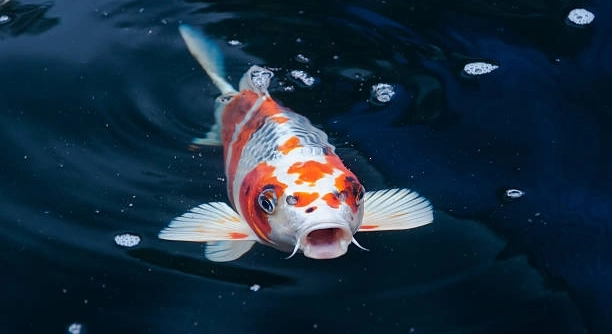
Koi fish are known for their graceful swimming and bright colors. Many koi owners notice their fish often gather near the heater in colder months. This behavior has several important reasons behind it.
Koi fish gather near the heater mainly to regulate their body temperature. Being cold-blooded animals, they seek warmth to maintain metabolism and stay active. The heater provides a stable, warm environment essential for their health during low temperatures.
Learning why koi prefer this cozy spot can help you care for them better. Understanding their behavior ensures a happier and healthier pond environment.
Temperature Regulation and Comfort
Koi fish rely heavily on water temperature to regulate their bodily functions. When the water gets cold, their metabolism slows down, making them less active and more vulnerable to illness. The heater creates a warm area in the pond, which helps koi maintain a stable body temperature. This warmth allows their digestion and immune systems to work properly. You might notice that when the heater is on, the fish gather closely around it, almost like they are seeking a cozy spot. This behavior is natural and necessary during colder months. Without a warm area, koi could become stressed or even sick. It’s important to monitor water temperature and ensure the heater is functioning well to keep your koi healthy throughout winter or chilly days.
Warm water near the heater encourages koi to stay active and healthy. They naturally seek comfort where the temperature is right.
Keeping the water temperature steady helps koi thrive. Sudden drops in temperature can shock their system, so a heater provides consistency. This consistency reduces stress, which in turn prevents diseases. Additionally, the heater’s warmth stimulates koi appetite, helping them eat properly even when it’s cold outside. If your pond lacks a heater, koi may become sluggish or hide, making it harder to check their health. Remember, koi are cold-blooded and depend on their environment. The heater creates a zone where they can swim easily and remain energetic. Regular checks on your heater’s performance and pond temperature will support your fish’s overall well-being. This simple step improves survival rates during harsh weather.
Social Behavior Around the Heater
Koi often gather near the heater not only for warmth but also due to their social nature.
When koi swim close to one another near the heater, it can be a sign of safety and comfort. They tend to form groups in warm spots, which might help reduce stress. This grouping behavior is common in colder months when the fish seek shelter and warmth together. The heater creates a shared area that supports social interaction among koi. Sometimes, the gentle current from the heater can attract them as well. Watching them cluster calmly near the warmth shows their natural instincts to stay comfortable and connected.
Keeping koi close near the heater helps them feel secure. It’s a natural way they adjust to their environment’s challenges.
In addition to warmth, the social gathering near the heater can provide koi with a sense of security. Grouping together may help them feel protected against potential threats or changes in their habitat. This behavior also encourages gentle interaction and reduces aggressive tendencies. When koi are cold, their movements slow, and they become less responsive, so having company in a warm spot helps maintain a sense of normalcy. The heater creates a microenvironment where koi can rest while still being alert. Observing how your fish interact near the heater can give clues about their health and comfort levels. Ensuring the heater is clean and running efficiently supports both their physical and social well-being.
Oxygen Levels Near the Heater
Warm water holds less oxygen than cold water, but heaters often create gentle circulation that helps oxygenate the pond. Koi gather where oxygen is plentiful.
The heater increases water temperature, which can lower dissolved oxygen levels. However, many heaters also generate water movement, improving oxygen distribution. This movement prevents stagnant areas, making the environment healthier. Koi are sensitive to oxygen changes and may swim near the heater to find better-oxygenated water. This spot offers a balance between warmth and oxygen supply, essential for their survival. If the pond lacks circulation, oxygen can drop significantly, stressing the fish. A heater with a built-in pump or aerator helps maintain oxygen levels. Observing koi near the heater might mean they are seeking both warmth and fresh oxygen.
Oxygen demand rises as koi become more active in warmer water. Without sufficient oxygen, fish can become weak or lethargic. The heater area often provides the best oxygen access combined with warmth. Keeping pond water well-aerated is vital, especially in winter when natural oxygen exchange slows. Using additional aeration devices alongside the heater can improve conditions. Watching koi behavior can signal if oxygen is adequate; gasping or sluggish swimming may indicate a need for better aeration. Maintaining the right oxygen balance is key to healthy koi.
Protection from Cold Stress
Cold water slows koi metabolism, causing stress that lowers immunity. The heater reduces this stress by keeping water temperature stable.
Consistent warmth near the heater helps koi avoid the harmful effects of cold shock. When water temperature suddenly drops, koi risk illness or death. The heater provides a refuge zone, minimizing sudden temperature changes in their environment. This controlled warmth supports normal biological functions, preventing stress-induced behaviors like hiding or erratic swimming. Stress weakens koi defenses, making them more prone to infections and parasites. Keeping a steady, warm area lowers these risks and improves recovery from illness. Using a reliable heater ensures your koi spend less energy coping with cold stress and more energy staying healthy. Regular temperature monitoring prevents surprises and keeps stress low throughout the cold season.
Energy Conservation
Koi conserve energy by staying near the heater where water is warmer. Warmer water means less effort to maintain bodily functions.
This energy saving helps koi survive periods of low food intake. When cold, koi’s metabolism slows, so staying warm reduces the energy needed for survival.
Healing and Recovery
Warmth from the heater supports koi healing from injuries or illnesses. Higher temperatures improve blood circulation and immune response, speeding recovery. When koi gather near the heater, it often means they seek comfort while healing. Maintaining a stable warm environment reduces stress, which is essential for effective healing. Cold water can slow recovery or worsen infections. Using a heater helps koi stay healthy through illness by creating optimal conditions for tissue repair and immune system support.
Behavioral Changes in Cold Weather
Koi often change their swimming patterns and activity levels in cold weather, which is why they cluster near the heater.
Why do koi fish gather near the heater instead of other warm spots in the pond?
Koi tend to gather near the heater because it provides a consistent and reliable source of warmth, unlike other parts of the pond where temperature may fluctuate. The heater creates a small zone of stable, warm water that koi can easily find and stay in. Other areas might warm up in the sun but cool quickly when the sun moves or during the night. The heater’s warmth is continuous, especially important during cold seasons when koi need to conserve energy and avoid sudden drops in temperature. This makes the area near the heater the safest and most comfortable place for them.
Can too much heat from the heater harm koi fish?
Yes, excessive heat can be harmful to koi. They thrive best in water temperatures between 59°F and 77°F (15°C to 25°C). If the heater raises the water temperature too high, it can cause stress, reduce oxygen levels, and increase the risk of disease. Overheating can also speed up their metabolism too much, which may require more food and can tire them out. It’s important to set the heater to a safe temperature range and use a reliable thermostat to keep water stable. Regularly monitoring water temperature helps prevent overheating and keeps koi comfortable.
Do koi fish need a heater year-round, or only in winter?
Most koi only need a heater during colder months when water temperature drops below their comfort zone. In mild or warm climates, they can survive without a heater for much of the year. However, in places with harsh winters or sudden cold snaps, a heater becomes essential to maintain a safe environment. During warmer months, koi are active and can regulate their temperature naturally. Using a heater year-round is unnecessary and may cause overheating in summer. Adjusting heater use seasonally based on local climate conditions helps keep koi healthy and stress-free.
What happens if koi fish don’t have access to warm water during cold weather?
Without access to warm water, koi fish slow their metabolism significantly and become lethargic. They may stop eating and become vulnerable to illnesses because their immune systems weaken in cold conditions. Prolonged exposure to cold without warmth can cause stress, making them more susceptible to infections and parasites. In extreme cold, koi might become inactive and hide, which can make it harder to spot health problems. Providing a heater or other forms of temperature control during cold weather helps koi survive winter safely and reduces health risks.
How can I tell if my koi are stressed because of temperature changes?
Signs of stress from temperature changes include sluggish swimming, hiding more than usual, loss of appetite, and erratic behavior like darting or gasping at the surface. Koi may also develop physical symptoms such as clamped fins or faded colors. If water temperature is too low, they may be inactive or rest on the bottom for long periods. Sudden temperature drops are especially hard on them. Keeping an eye on their behavior and monitoring pond temperature regularly can help catch stress early. Adjusting heater settings or adding aeration often relieves stress.
Is it normal for koi to cluster tightly around the heater?
Yes, koi naturally group near the heater because it is their warmest, safest area during cold weather. Clustering helps reduce energy loss and creates a small community where they feel secure. This behavior is common and shows koi are seeking comfort. However, if the group becomes too crowded, it can lead to competition for space and oxygen. Make sure your pond and heater are sized properly to provide enough room for all fish. Adding extra aeration or circulation helps maintain good water quality in these concentrated spots.
Can a heater help prevent diseases in koi?
Indirectly, yes. By keeping water temperature stable and warm enough, a heater supports koi’s immune system, making them less vulnerable to infections. Cold stress lowers immunity, allowing bacteria, parasites, and fungi to take hold more easily. Warm water also promotes faster healing if koi get injured. While a heater does not kill pathogens directly, it creates an environment where koi are stronger and better able to fight off diseases. Proper pond maintenance and water quality remain essential alongside temperature control.
How should I maintain my pond heater for the best results?
Regular maintenance of your pond heater is key to keeping it effective and safe. Clean the heater and surrounding area to remove algae, debris, or mineral buildup that can reduce performance. Check electrical connections and cords for damage. Inspect the thermostat and sensors to ensure accurate temperature control. It’s helpful to test water temperature with a reliable thermometer in several spots around the heater. Replace parts or the entire unit as recommended by the manufacturer. Proper maintenance extends heater life and protects your koi by preventing sudden failures during cold weather.
Are there alternatives to heaters for keeping koi warm?
Yes, there are alternatives like pond covers, solar heating, or bubble aerators that can help maintain warmer water temperatures. Pond covers reduce heat loss and keep water warmer by blocking wind and retaining sunlight. Solar heaters use sunlight to warm the water naturally. Bubble aerators increase oxygen levels and help circulate water, reducing cold spots. These methods work best combined with or as supplements to electric heaters. Depending on your climate and pond setup, using multiple methods can provide better temperature control and protect koi during winter.
What is the ideal temperature range to keep koi healthy near the heater?
The ideal temperature range for koi is generally between 59°F and 77°F (15°C to 25°C). Staying within this range supports normal metabolism, digestion, and immune function. Temperatures below 50°F (10°C) slow koi down too much, while temperatures above 80°F (27°C) can cause stress and reduce oxygen levels. Setting your heater to keep the pond water around 65°F to 75°F (18°C to 24°C) is a safe target during colder months. This range allows koi to stay active without overexertion and helps maintain their overall health.
Koi fish gathering near the heater is a natural and important behavior, especially during colder months. The heater provides a warm and stable environment that helps koi regulate their body temperature. Since koi are cold-blooded, they rely on the water temperature to control their energy levels and metabolism. Without this warmth, koi can become sluggish and stressed, which may lead to health problems. The heater helps prevent sudden temperature changes and creates a safe spot where koi feel comfortable. Observing koi near the heater is a good way to understand how they manage the cold and maintain their well-being.
In addition to warmth, the heater supports several other needs for koi fish. It improves oxygen circulation in the water by creating gentle currents, which keeps the pond environment healthy. Koi also gather near the heater for social reasons, as they naturally cluster together for comfort and security. This grouping can help reduce stress and promote better immune function. The warmth from the heater also aids in healing, allowing koi to recover faster from injuries or illnesses. Overall, a well-functioning heater plays a vital role in keeping koi active, healthy, and happy during times when outdoor conditions are less favorable.
Maintaining a pond heater and monitoring water temperature regularly are essential steps for koi care. Setting the right temperature range and ensuring the heater is working correctly can prevent many common problems related to cold stress. It’s also helpful to combine the heater with good pond maintenance practices, like keeping the water clean and providing enough oxygen. While koi can survive without a heater in mild climates, using one during cold weather improves their quality of life significantly. Understanding why koi gather near the heater helps owners provide better care and create a safe environment for these beautiful fish year-round.

Hello,
If you enjoy the content that we create, please consider saying a "Thank You!" by leaving a tip.
Every little bit helps us continue crafting quality advice that supports the health, happiness, and well-being of pets around the world, for pets of all shapes, sizes, and species.
We really appreciate the kindness and support that you show us!