
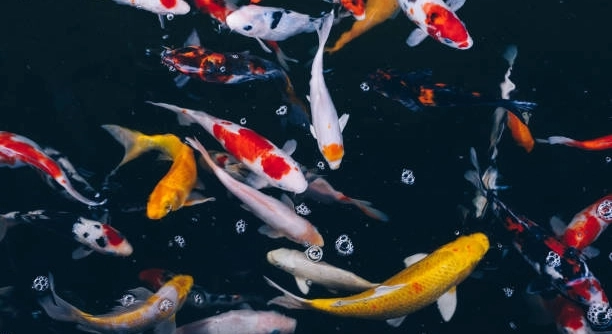
Do you ever find yourself watching your koi and noticing their gills moving faster than usual, even when they’re not swimming much?
Rapid gill movement in koi is often caused by poor water quality, low oxygen levels, parasites, infections, stress, high ammonia, or sudden changes in water temperature. Each of these factors can severely impact your koi’s health.
Understanding what causes rapid gill movement can help you take better care of your koi and maintain a healthier pond environment.
Poor Water Quality
Poor water quality is one of the most common causes of rapid gill movement in koi. When the water in your pond contains too much ammonia, nitrite, or nitrate, it affects your koi’s ability to breathe properly. Dirty water can also hold less oxygen, which causes your fish to work harder to get the air they need. Uneaten food, decaying plants, or a clogged filter can all add to the problem. Regular testing helps you stay ahead of harmful changes. Clean, well-filtered water with proper pH and temperature levels is key to keeping your koi healthy and calm.
Clear, healthy water helps your koi stay relaxed and breathe normally. Keeping the pond clean and balanced is a simple way to support their well-being.
When koi are forced to live in water with high waste levels, they show signs of stress, including rapid gill movement. This effort to breathe becomes noticeable when there’s not enough oxygen or when ammonia levels rise. Koi will often hover near the surface or gasp for air. Regular partial water changes, a working filtration system, and testing kits are all easy tools to help avoid this issue. A clean pond supports better oxygen flow and keeps toxins from harming your koi. It’s worth checking the basics first.
Low Oxygen Levels
Low oxygen levels in your pond can also cause your koi to breathe faster than normal. Hot weather, algae blooms, or a lack of surface movement can quickly lower oxygen in the water.
Koi rely on dissolved oxygen in the water to breathe, and even a small drop can create stress. When oxygen levels fall too low, koi may start gasping near waterfalls, filters, or the water’s surface. This often happens during warmer months when water naturally holds less oxygen. A pond with lots of fish or dense plants may also have too much demand for oxygen, especially overnight when plants consume it. Aerators, waterfalls, or air stones can help boost oxygen levels, especially during the summer. Nighttime oxygen dips are common, so it’s helpful to observe your koi early in the morning. If they’re already breathing heavily then, low oxygen is likely the reason. Simple adjustments can make a big difference.
Parasites and Infections
Parasites like flukes or anchor worms can cause koi to breathe quickly. These pests attach to the gills or skin, making it harder for your fish to take in oxygen. Bacterial or fungal infections can also damage the gills and lead to labored breathing.
Koi often show signs like flashing, rubbing against surfaces, or staying near water movement when infected. Parasites and gill infections create discomfort and reduce oxygen absorption, forcing koi to breathe faster. Even if water quality looks fine, it’s important to consider these issues. A microscope exam or skin scrape by a vet or experienced koi keeper can help confirm the cause. Treatments vary but often include medicated dips or pond-wide parasite treatments. Removing excess debris and maintaining a clean pond helps reduce parasite risks. Quarantining new fish before adding them to the pond can also prevent introducing infections.
If koi continue breathing heavily despite clean water and good oxygen, parasites or infections should be suspected. Many koi keepers mistake these signs for poor water alone. However, parasites like gill flukes are common and may go unnoticed without a closer look. Once diagnosed, treatment should begin quickly. Products like potassium permanganate or praziquantel are often used, but always follow proper instructions. Antibiotics might be needed for bacterial infections. During treatment, it’s best to lower stress and boost aeration in the pond. Koi can recover well if treatment starts early. Ignoring symptoms can lead to long-term gill damage or even death, so timely care really makes a difference.
Stress from Environmental Changes
Sudden shifts in pond temperature, pH, or even lighting can stress koi and cause rapid gill movement. These changes affect their comfort and can make breathing harder as their bodies try to adjust quickly.
Stress can occur when water changes are done too quickly or when koi are moved from one pond to another. Even thunderstorms or noisy surroundings might have an effect. Koi are sensitive to their environment, and stress shows up in many ways—rushed breathing being one of them. You might also notice hiding, clamped fins, or less appetite. Stable conditions help reduce stress. Always match temperature and pH when moving koi or performing large water changes. It’s also helpful to avoid sudden changes in lighting or loud vibrations near the pond. Keeping everything calm and consistent is a simple but effective way to protect your koi.
Koi rely on steady conditions to stay relaxed and healthy. A temperature swing of even a few degrees, especially during seasonal changes, can cause noticeable breathing changes. During water changes, using dechlorinated water that matches the pond’s temperature helps avoid stress. Test the pH often, especially after rainfall or new water additions, since pH can shift easily. Gradual changes are much easier on koi than fast adjustments. If you notice your koi breathing quickly after a new filter or light is added, consider whether the change happened too fast. Preventing stress is much easier than treating it after the fact. Creating a calm, steady environment is one of the best things you can do for your fish.
High Ammonia Levels
Ammonia builds up when waste isn’t broken down properly. It burns koi gills, making it hard to breathe. This often causes rapid gill movement. Overfeeding, overcrowding, or a dirty filter can lead to ammonia spikes.
Even low levels of ammonia can stress koi. Test water often and do partial water changes. Use a good filter system and avoid overfeeding. Adding beneficial bacteria also helps control ammonia levels.
Sudden Temperature Swings
Fast drops or rises in water temperature can shock koi and affect their breathing. Koi are cold-blooded, so their bodies respond directly to water changes. This can lead to rapid gill movement as they try to adjust. Avoid large temperature shifts by changing water slowly and checking weather forecasts.
Overcrowding
Too many koi in one pond means less oxygen and more waste. Both of these affect breathing. Make sure your pond has enough space and proper filtration to support the number of fish you have.
FAQ
How can I tell if my koi are breathing too fast?
Fast gill movement often looks like your koi are panting. You may notice their gill covers moving more rapidly than usual, even when they are not swimming or being active. Some koi will hover near water movement or the surface, trying to get more oxygen. If their gills appear to flare or they seem restless, it’s a good idea to test the water and look for other signs of stress or illness. A healthy koi breathes with slow, steady gill movement. Any clear change should be taken seriously.
How often should I check my pond water?
It’s best to test your pond water at least once a week, especially during warmer months or if your fish are acting oddly. Check for ammonia, nitrite, nitrate, pH, and temperature. After heavy rain or water changes, test again to make sure conditions are stable. If you’re treating the pond for illness or parasites, check the water more often. Simple test kits are easy to use and help prevent problems before they get worse. Consistent testing is one of the easiest ways to keep your koi safe and healthy.
Can parasites spread from one koi to another?
Yes, parasites like gill flukes or anchor worms can easily move from fish to fish, especially in crowded ponds. If one koi is infected, the others are at risk. Quarantining new koi before adding them to the main pond is a smart step. Regular observation and early treatment help keep the entire pond healthy. If you notice signs of parasites, it’s usually best to treat the whole pond, not just the visibly sick fish. Keeping the pond clean and reducing stress helps lower the chance of outbreaks.
Why does oxygen drop overnight in koi ponds?
At night, plants and algae stop producing oxygen and start using it instead. This natural shift lowers the oxygen levels in the water, especially if the pond is heavily planted or has algae. Without good water movement or aeration, oxygen can drop too low by early morning. Koi may start gasping or breathing heavily right after sunrise. Adding an air stone or running a waterfall at night helps. A well-aerated pond balances this oxygen change and keeps fish comfortable through the night.
Is rapid gill movement always a sign of illness?
Not always. Sometimes, koi breathe fast due to temporary stress—like after a water change or if someone’s been working near the pond. But if the breathing stays fast for more than a few hours or comes with other symptoms (like clamped fins or lack of appetite), it’s time to look deeper. Check water quality first. If everything seems normal, it could be a parasite or infection. Koi often hide symptoms, so noticing rapid gill movement early gives you a better chance to fix the problem before it gets worse.
How can I safely increase oxygen in my pond?
You can add oxygen by using air stones, waterfalls, or small fountains. These help move the water and let more air mix in. Clean your filter regularly so it doesn’t get clogged and slow down the flow. During hot weather, add extra aeration, since warm water holds less oxygen. If you’re using medication, read the instructions carefully—some treatments lower oxygen and may require more air support. Making sure the pond has good circulation all year helps keep koi breathing comfortably.
What should I do if my koi are gasping at the surface?
First, check your oxygen levels and temperature. Low oxygen is often the cause. Turn on or increase aeration right away. If you don’t already have an air pump or waterfall, adding one can make a big difference. Check ammonia and nitrite levels, too. Do a partial water change if needed. If water quality is fine and koi still gasp, a parasite or infection could be to blame. Look for other symptoms and consider reaching out to a koi specialist. Responding quickly gives your koi the best chance to recover.
Final Thoughts
Rapid gill movement in koi is something that should not be ignored. While it may seem like a small change at first, it often points to something wrong in the pond. It can be caused by poor water quality, low oxygen, parasites, stress, high ammonia, or sudden changes in temperature. Each of these issues affects your koi’s ability to breathe and stay healthy. Paying close attention to how your koi act every day helps you notice problems early. When you catch things early, it’s much easier to fix them before they turn into something serious. Koi are tough fish, but they still need a stable and clean environment to stay healthy.
One of the most helpful things you can do is keep a regular routine for pond care. Testing water weekly, watching for changes in behavior, and keeping the filter system clean all go a long way. Simple steps like not overfeeding, removing waste, and having the right number of fish in the pond can prevent a lot of stress for your koi. It’s also important to check the pond after storms, water changes, or hot weather. These moments can throw off oxygen levels or change the water chemistry. If your koi seem off, take a few minutes to test the water and look at their surroundings. Often, the solution is something small that can be fixed with quick action.
Taking care of koi can feel like a big task, but it becomes easier with time and routine. When you understand what signs to look for, like fast gill movement, you can act fast and keep your fish safe. Over time, you’ll get better at spotting these signs and knowing what to check first. Remember, koi can’t tell you something’s wrong, so their behavior is often the first and only warning. Being aware, staying patient, and keeping their space clean and balanced is the best way to care for them. Whether you’re new to koi or have had them for years, keeping things simple and steady is key to making sure your pond stays a safe home for your fish.

Hello,
If you enjoy the content that we create, please consider saying a "Thank You!" by leaving a tip.
Every little bit helps us continue crafting quality advice that supports the health, happiness, and well-being of pets around the world, for pets of all shapes, sizes, and species.
We really appreciate the kindness and support that you show us!