
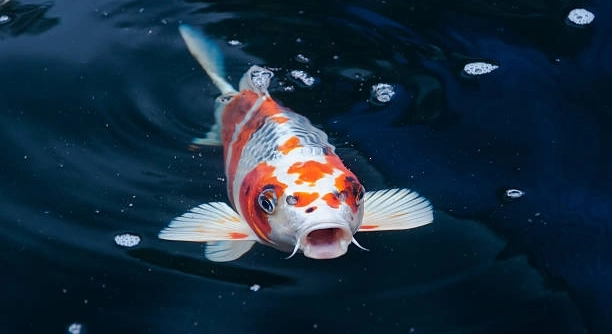
Ammonia poisoning is a common issue in koi ponds that can affect fish health quickly. Recognizing the signs early is important for preventing severe damage and ensuring your koi stay healthy and vibrant in their environment.
Ammonia poisoning in koi manifests through symptoms such as lethargy, gasping at the water surface, inflamed gills, and abnormal swimming behavior. High ammonia levels disrupt fish respiration and cause tissue damage, requiring prompt detection and corrective action.
Knowing how to identify ammonia poisoning can help protect your koi and maintain a balanced pond ecosystem. This guide will provide clear information to support timely response and care.
What Causes Ammonia Poisoning in Koi
Ammonia in koi ponds comes mainly from fish waste, uneaten food, and decaying plants. When these materials break down, they release ammonia into the water. Normally, beneficial bacteria convert ammonia into less harmful substances, but this process can be slow or disrupted. Poor water circulation, overfeeding, or too many fish can cause ammonia to build up quickly. Temperature and pH also influence ammonia levels, making some ponds more vulnerable. If ammonia is not controlled, it becomes toxic to koi and damages their gills and internal organs. Regular water testing is essential to catch rising ammonia before it harms your fish. Changes in pond maintenance or sudden environmental shifts may cause ammonia spikes, so staying alert helps keep the pond safe. Understanding these factors makes it easier to maintain a healthy pond environment.
Testing water frequently is the best way to detect harmful ammonia levels early and prevent serious problems.
Ammonia poisoning develops when the balance between waste production and bacteria breakdown is disrupted. Managing fish population, feeding habits, and cleaning routines will reduce ammonia buildup. Aeration improves oxygen levels, helping beneficial bacteria thrive. Using water conditioners can neutralize ammonia temporarily while bacteria recover. Keeping plants healthy also supports water quality. Taking these steps consistently protects koi from stress and illness caused by ammonia toxicity. Regular monitoring and quick action will help koi live longer and healthier lives in a stable pond environment.
Early Signs of Ammonia Poisoning
Koi often show subtle behavior changes before serious symptoms appear.
Lethargy, loss of appetite, and spending more time near the surface are common early signs. Gills may look red or swollen, and koi might scratch against objects. These signs mean ammonia is affecting their breathing. Immediate water testing and partial water changes can reduce ammonia and ease koi discomfort. Ignoring these signs can lead to permanent damage or death. Preventive care is critical for koi health.
Once ammonia poisoning starts, koi gills become inflamed, limiting oxygen intake and causing respiratory distress. This leads to erratic swimming and pale or patchy skin. Prolonged exposure damages organs, weakens the immune system, and increases vulnerability to infections. Koi under ammonia stress may also develop ulcers or secondary bacterial infections. Managing ammonia levels promptly protects koi from these severe health issues. Maintaining a clean pond environment, reducing overcrowding, and avoiding overfeeding help prevent ammonia spikes. Consistent pond care supports koi’s natural defenses and overall well-being.
How to Test for Ammonia Levels
Regular testing is essential to maintain safe ammonia levels in your koi pond. Use a reliable ammonia test kit designed for aquarium or pond water. Test the water at least once a week, or more frequently if you suspect ammonia buildup.
Ammonia test kits are easy to use and provide quick results. Collect a water sample and follow the instructions carefully to avoid errors. Compare the color change on the test strip or liquid to the chart provided. Safe ammonia levels for koi should be close to zero, as even low amounts can be harmful over time. High ammonia readings require immediate action to protect your fish.
Keeping records of test results helps track changes and identify patterns. If ammonia levels rise consistently, check for overfeeding, excess waste, or malfunctioning filters. Addressing these issues quickly helps restore balance. Remember, maintaining good water quality is the best way to prevent ammonia poisoning.
Immediate Actions to Take
Partial water changes are the quickest way to reduce ammonia in an emergency. Replace 25-50% of the pond water with fresh, dechlorinated water to dilute ammonia concentrations.
Adding beneficial bacteria supplements can speed up ammonia breakdown by boosting the natural filtration process. Ensure proper aeration to increase oxygen levels, which supports these bacteria and helps koi breathe more easily. Avoid feeding koi until ammonia levels drop, as extra food adds to waste. Check filters for clogging or damage and clean them if needed, but do not overclean, which could remove beneficial bacteria. Regular monitoring after taking these steps ensures ammonia stays at safe levels while the pond ecosystem recovers.
Preventing Ammonia Build-Up
Maintaining a clean pond reduces ammonia risks. Regularly remove debris, excess food, and dead plants. Avoid overstocking koi to prevent waste overload.
Proper filtration and aeration support beneficial bacteria that break down ammonia naturally. Consistent pond care keeps water quality stable and koi healthy.
Signs That Require Immediate Attention
If koi show rapid gill movement, constant gasping, or bleeding gills, ammonia poisoning is likely severe. Act quickly to prevent lasting harm.
The Role of Beneficial Bacteria
Beneficial bacteria convert toxic ammonia into nitrites, then nitrates, which are less harmful. These bacteria are critical for natural pond filtration. Their population can decline after cleaning or chemical treatments, increasing ammonia risks. Supporting bacteria growth through proper filtration, aeration, and bacterial supplements helps keep ammonia levels low and protects koi from poisoning.
When to Call a Professional
If ammonia levels remain high despite efforts, or koi symptoms worsen, seek expert help. A pond specialist can diagnose issues and recommend targeted solutions.
FAQ
What causes ammonia levels to rise suddenly in a koi pond?
Ammonia levels can rise quickly due to overfeeding, too many fish, or a buildup of waste and decaying plants. A sudden disruption in beneficial bacteria, caused by cleaning filters too thoroughly or adding chemicals, can also lead to spikes in ammonia. Poor water circulation or temperature changes may worsen the problem.
How often should I test my pond water for ammonia?
Testing should be done weekly under normal conditions. During any changes in pond care, such as adding new fish or changing filters, test more frequently—every few days. Frequent testing helps catch ammonia spikes early before they harm koi.
What is a safe ammonia level for koi?
The ideal ammonia level is zero parts per million (ppm). Even small amounts can stress koi if exposure is long-term. Levels above 0.02 ppm are considered unsafe, and immediate action is necessary to reduce ammonia.
Can ammonia poisoning be treated at home?
Yes, mild ammonia poisoning can be treated by partial water changes, reducing feeding, and using water conditioners that neutralize ammonia temporarily. Adding beneficial bacteria supplements supports the natural filtration process. Proper aeration helps koi breathe while ammonia levels decrease.
How do I know if my koi have ammonia poisoning?
Look for signs such as lethargy, gasping at the surface, inflamed or red gills, and unusual swimming patterns. Koi may also rub themselves against surfaces or lose appetite. These symptoms indicate stress caused by ammonia exposure and require prompt water testing.
Why do koi gasp at the water surface?
Gasping usually means koi are struggling to get enough oxygen. Ammonia damages gills, making breathing difficult. Poor oxygen levels due to algae blooms or insufficient aeration can also cause gasping. Testing water quality can help identify the cause.
Is ammonia the same as nitrites and nitrates?
No. Ammonia is highly toxic to koi, while nitrites are less toxic but still harmful. Nitrates are the least harmful and can be controlled with regular water changes. Beneficial bacteria convert ammonia to nitrites, then to nitrates, keeping the pond safe.
How can I prevent ammonia poisoning in my pond?
Prevent ammonia poisoning by avoiding overfeeding, maintaining good filtration, performing regular water changes, and not overcrowding the pond. Remove debris and dead plant matter frequently. Supporting beneficial bacteria growth with aeration and bacterial supplements keeps ammonia levels low.
What happens if ammonia poisoning is left untreated?
Untreated ammonia poisoning causes severe damage to koi gills and internal organs. Fish become weak, more prone to infections, and may develop ulcers. Prolonged exposure often leads to death. Early detection and treatment are essential to prevent these outcomes.
Can plants help reduce ammonia levels?
Yes, aquatic plants absorb ammonia as a nutrient, helping improve water quality. Healthy plants compete with algae for nutrients and support a balanced ecosystem. However, plants alone cannot remove all ammonia, so good filtration and maintenance are still necessary.
Should I stop feeding koi if ammonia levels are high?
It is best to reduce or stop feeding koi temporarily if ammonia levels are elevated. Extra food breaks down into waste, adding more ammonia. Once water quality improves, resume feeding in small amounts to avoid further spikes.
Can water conditioners completely fix ammonia poisoning?
Water conditioners neutralize ammonia temporarily but do not remove it. They provide immediate relief to koi by making ammonia less harmful while beneficial bacteria work to break it down naturally. Relying only on conditioners without addressing the cause will not solve the problem.
How long does it take for ammonia levels to return to normal?
Recovery time varies depending on the pond’s condition. With proper action—partial water changes, aeration, and bacterial support—levels can drop within a few days. Larger ponds or severe cases may take longer. Consistent monitoring is important during recovery.
Is ammonia poisoning common in new ponds?
Yes, new ponds often experience “new pond syndrome,” where beneficial bacteria populations are not yet established. This leads to ammonia buildup from fish waste and organic matter. Patience and careful maintenance are needed until the biological filter matures.
What type of filtration is best to control ammonia?
Biological filtration, which supports beneficial bacteria colonies, is most effective at breaking down ammonia. Mechanical filters remove debris but do not reduce ammonia directly. Combining both types with good aeration ensures stable water quality.
Can I use tap water for water changes if it contains chlorine?
No, chlorine is harmful to koi and beneficial bacteria. Always treat tap water with a dechlorinator before adding it to your pond. This protects fish and helps maintain a healthy bacterial population.
What temperature is best to keep ammonia levels low?
Ammonia becomes more toxic at higher temperatures and higher pH levels. Keeping water temperature moderate and stable helps reduce ammonia toxicity. Avoid sudden temperature changes to minimize stress on koi and bacteria.
Are some koi more resistant to ammonia poisoning?
Some koi may tolerate low ammonia levels better, but no koi is immune. Stress, age, and overall health affect sensitivity. It is safest to maintain ammonia near zero to protect all fish equally.
Can ammonia poisoning cause koi to lose color?
Yes, prolonged exposure to ammonia can weaken koi’s immune system and stress their bodies, leading to faded or dull coloration. Healthy water conditions help koi maintain bright, vibrant colors.
How do I safely add new fish without increasing ammonia risk?
Quarantine new fish before adding them to the pond to prevent disease spread. Introduce new fish slowly and avoid overstocking. Gradually adjust feeding and monitor ammonia levels closely after introduction to avoid spikes.
Final Thoughts
Ammonia poisoning is a serious issue for koi ponds that requires careful attention. Maintaining water quality is essential to keep koi healthy and prevent ammonia levels from rising. Regular testing, good filtration, and proper pond maintenance are the foundation for avoiding problems. Small steps such as removing debris, avoiding overfeeding, and controlling the number of fish can make a big difference. By consistently following these practices, pond owners can create a stable environment where koi thrive without the threat of ammonia poisoning.
When ammonia does appear, prompt action is necessary to protect the fish. Partial water changes and adding beneficial bacteria supplements can help lower ammonia quickly. Water conditioners that neutralize ammonia provide temporary relief but should not replace ongoing pond care. Watching koi behavior closely is important to catch signs of poisoning early. Symptoms such as gasping, red or inflamed gills, and unusual swimming patterns indicate stress and need immediate attention. Acting early improves the chances of recovery and minimizes lasting damage.
Preventing ammonia build-up requires an ongoing commitment to pond health. Regular maintenance and monitoring are key. Even experienced pond owners can face challenges if care lapses or conditions change suddenly. A healthy pond supports beneficial bacteria that naturally break down ammonia and protect koi. Understanding the role of these bacteria and supporting them with proper filtration and aeration helps maintain water quality over time. With steady care and attention, ammonia poisoning can be managed effectively, ensuring koi remain vibrant and healthy in their aquatic home.

Hello,
If you enjoy the content that we create, please consider saying a "Thank You!" by leaving a tip.
Every little bit helps us continue crafting quality advice that supports the health, happiness, and well-being of pets around the world, for pets of all shapes, sizes, and species.
We really appreciate the kindness and support that you show us!