
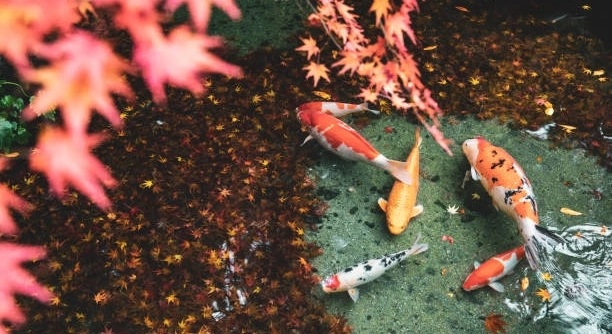
Koi fish are known for their graceful swimming, but sometimes they jump out of the water unexpectedly. This behavior can concern koi keepers who want to maintain a healthy and safe pond environment. Understanding what causes koi to jump is important for proper care.
Koi jumping is often triggered by factors such as poor water quality, sudden changes in temperature, stress from overcrowding, predators nearby, lack of oxygen, inadequate diet, or discomfort from parasites and diseases. Identifying these triggers helps in preventing injury and maintaining koi health.
Knowing the common causes of koi jumping can improve pond management and fish welfare. This article explains key triggers to help you create a safer habitat for your koi.
Poor Water Quality
Poor water quality is one of the main reasons koi jump out of ponds. When water becomes dirty or contaminated, koi experience discomfort and stress. High levels of ammonia, nitrites, or nitrates can irritate their skin and gills. Additionally, excessive algae growth reduces oxygen levels, making it harder for koi to breathe. These conditions encourage koi to leap out of the water in search of a better environment. Keeping the water clean with regular testing and filtration is essential. Frequent water changes and removing debris can also improve water quality. Neglecting these tasks often leads to health problems for koi and increases the likelihood of jumping. Paying close attention to water parameters helps maintain a stable and comfortable habitat for the fish.
Poor water quality affects koi behavior and health negatively, often leading to jumping. Maintaining clean, well-oxygenated water is crucial to prevent this.
Regular maintenance of the pond is vital for water quality. Filtration systems help remove harmful substances and keep water clear. Testing kits allow you to monitor ammonia, nitrite, and nitrate levels, ensuring they stay within safe limits. Aeration devices increase oxygen supply, reducing stress on the fish. Removing uneaten food and organic waste prevents toxins from building up. Plants can aid by absorbing excess nutrients and improving water clarity. These steps create a balanced environment that supports koi health and reduces jumping incidents.
Sudden Changes in Temperature
Sudden temperature changes can startle koi and cause them to jump. Fish are sensitive to shifts in their environment, especially in spring and fall. Rapid cooling or warming of pond water disrupts their metabolism and behavior. Koi may leap to escape the discomfort or try to find a more stable area. Maintaining consistent water temperature is important to reduce stress. Using pond heaters or shade can help moderate temperature swings. Temperature stability supports koi health and decreases jumping incidents.
Temperature fluctuations disrupt koi well-being and often trigger jumping behavior. Controlling temperature changes helps keep koi calm and healthy.
Large temperature swings force koi to adjust quickly, which can be harmful. When water gets too cold or too hot, koi metabolism slows or speeds up suddenly, leading to stress. Stress weakens their immune system, making them more vulnerable to disease and injury. Seasonal changes require careful attention to pond conditions. Covering the pond or adding shade can reduce exposure to direct sunlight or cold winds. Installing heaters during cold months prevents the water from dropping too low. These measures protect koi from temperature shock and improve their overall environment, reducing jumping and promoting longevity.
Overcrowding
Overcrowding in a koi pond creates stress and competition for resources. This often causes koi to jump as they try to escape the crowded conditions. Space is crucial for koi health and comfort.
When too many koi share limited space, they compete for food, oxygen, and territory. This competition leads to increased aggression and stress. Stressed koi are more likely to leap from the water, trying to avoid conflict. Overcrowding also reduces water quality due to higher waste levels, further aggravating fish. Proper pond size and appropriate stocking density are necessary to keep koi calm and healthy. Ensuring enough room allows each fish to swim freely and reduces jumping caused by stress.
Managing the number of koi is essential. Overstocked ponds lead to poor water conditions and stress. Adjust the population based on pond size to maintain a balanced, peaceful environment. Adequate space supports koi well-being and minimizes jumping behavior.
Predators Nearby
The presence of predators like herons, raccoons, or cats can frighten koi and trigger jumping. Koi instinctively try to escape danger by leaping out of the water. This natural response helps them avoid being caught.
Predators create constant stress for koi. The sight or sounds of nearby threats increase anxiety and may cause sudden jumps. Over time, frequent predator visits can weaken koi and disrupt their feeding and resting patterns. Protective measures such as netting, pond covers, or decoys can reduce predator access and lower stress levels. Creating hiding spots within the pond using plants or rocks also helps koi feel safe and less likely to jump.
Using deterrents and improving pond security effectively decreases koi stress from predators. This reduces the frequency of jumping and supports a calmer pond environment for the fish.
Lack of Oxygen
Koi need enough oxygen in the water to stay healthy. Low oxygen levels can cause them to jump in an attempt to find better conditions. Aeration is key to maintaining oxygen levels.
Signs of low oxygen include gasping at the surface and lethargy. Proper aeration with air pumps or waterfalls helps keep oxygen levels stable and prevents jumping caused by oxygen deprivation.
Inadequate Diet
A poor diet can weaken koi, making them restless and more prone to jumping. Balanced nutrition is essential for their health and energy levels.
Providing high-quality koi food with necessary vitamins and minerals supports strong immune systems and reduces stress, helping prevent jumping behavior.
Parasites and Diseases
Parasites and diseases cause discomfort and irritation, prompting koi to jump. These conditions affect their skin and gills, increasing stress and escape attempts. Prompt diagnosis and treatment are necessary to protect koi health.
FAQ
Why do koi jump out of the water?
Koi jump mainly because they feel stressed or uncomfortable. Common causes include poor water quality, sudden temperature changes, overcrowding, predators, low oxygen, improper diet, or parasites. Jumping is a natural response to escape unfavorable conditions or threats in their environment.
How can I prevent my koi from jumping?
Preventing koi from jumping requires addressing the triggers. Maintain clean, well-oxygenated water, avoid sudden temperature shifts, provide enough space, secure the pond from predators, feed a balanced diet, and monitor fish health regularly. Adding plants or structures for hiding can also help koi feel safe.
Is it harmful if koi jump frequently?
Frequent jumping can harm koi by causing physical injuries such as bruises or damaged fins. Repeated stress weakens their immune system, making them more prone to illness. Jumping also increases the risk of fish landing outside the pond where they can be exposed to predators or dry conditions.
What signs show my koi are stressed?
Signs of stress include erratic swimming, gasping at the water surface, hiding, loss of appetite, and frequent jumping. Physical symptoms may show as faded colors, torn fins, or lesions. Identifying stress early allows for prompt action to improve their environment and health.
Can water quality alone cause koi to jump?
Yes. Poor water quality is a significant factor in koi jumping. High ammonia, nitrite, or nitrate levels irritate fish and reduce oxygen. Dirty water with excessive algae also stresses koi. Regular testing and filtration are necessary to maintain safe water conditions.
How does overcrowding affect koi behavior?
Overcrowding increases competition for food and oxygen, leading to stress and aggression. Koi may jump to escape the crowded area. Maintaining a proper fish-to-water ratio reduces stress, supports water quality, and promotes healthier behavior.
Do predators always cause koi to jump?
Not always, but their presence is a strong trigger. Koi react instinctively to threats by jumping to avoid capture. Frequent predator disturbances cause chronic stress and more jumping. Protecting the pond with netting or barriers helps reduce this risk.
What role does temperature play in koi jumping?
Temperature changes affect koi metabolism and comfort. Rapid drops or rises in water temperature cause stress, often leading to jumping. Keeping temperature stable, especially during seasonal transitions, supports koi health and prevents sudden behavior changes.
How can I improve oxygen levels in my pond?
Use aeration devices like air pumps, waterfalls, or fountains to increase oxygen circulation. Avoid overcrowding and remove decaying organic matter that consumes oxygen. Plants can also help by producing oxygen during the day. Maintaining good oxygen levels reduces stress and jumping.
When should I worry about parasites or diseases?
If koi show signs of irritation such as flashing (rubbing against surfaces), lethargy, visible spots, or damaged fins, parasites or diseases may be present. These conditions cause discomfort and lead to jumping. Early diagnosis and treatment are essential to prevent serious health issues.
Does diet really affect koi jumping?
Yes. A poor diet weakens koi and causes restlessness. Balanced nutrition with vitamins and minerals supports their immune system and reduces stress. Feeding high-quality koi food in appropriate amounts helps keep them healthy and less likely to jump.
What can I do if my koi keep jumping despite good care?
If all care measures are in place but koi still jump, consider additional hiding spots or pond covers. Sometimes individual fish are more active by nature. Consulting a koi specialist or veterinarian can help identify hidden health issues or environmental factors.
Are there signs koi will jump soon?
Koi may show restlessness, frequent swimming near the surface, or sudden bursts of activity before jumping. They might also avoid certain pond areas or show signs of stress. Watching their behavior closely helps anticipate and address causes early.
Is it normal for koi to jump occasionally?
Occasional jumping can be normal and part of natural behavior. However, frequent or continuous jumping usually indicates a problem in the pond environment. Understanding the reasons behind jumping helps keep koi safe and comfortable.
Can pond design reduce koi jumping?
Yes. Designing ponds with gentle slopes, deep areas, plants, and structures provides koi with places to hide and feel secure. Proper design reduces stress and the impulse to jump. Adding barriers or nets can further prevent accidental escapes.
How often should I test my pond water?
Regular testing is important—ideally weekly or biweekly. Frequent testing helps detect issues with ammonia, nitrites, nitrates, pH, and oxygen levels before they harm koi. Consistent monitoring ensures timely actions to maintain water quality.
This FAQ section addresses key concerns about koi jumping and provides practical advice to help maintain a healthy pond environment and reduce this behavior.
Final Thoughts
Koi jumping is a common behavior that signals discomfort or stress. It is important to understand that koi do not jump without reason. Factors such as poor water quality, overcrowding, predators, and low oxygen levels all play a role in causing koi to leap from the pond. Recognizing these triggers early can help prevent injuries and keep the fish healthy. Monitoring the pond environment regularly ensures that koi live in suitable conditions that meet their needs.
Maintaining a balanced and clean pond is key to minimizing koi jumping. Proper filtration, aeration, and regular water testing improve water quality and oxygen levels. Providing enough space and avoiding overcrowding reduce stress and aggressive behavior among the fish. It is also important to feed koi a nutritious diet to keep their immune systems strong. In addition, protecting the pond from predators and adding hiding spots give koi a sense of security, which further lowers the chances of jumping.
Although occasional jumping is natural, frequent jumping should not be ignored. It often points to underlying issues that require attention. Taking the necessary steps to address these problems benefits both the koi and the overall pond environment. A well-maintained pond not only supports koi health but also creates a peaceful, enjoyable space for observation. Regular care and attention help koi thrive and minimize disruptive behaviors like jumping.

Hello,
If you enjoy the content that we create, please consider saying a "Thank You!" by leaving a tip.
Every little bit helps us continue crafting quality advice that supports the health, happiness, and well-being of pets around the world, for pets of all shapes, sizes, and species.
We really appreciate the kindness and support that you show us!