
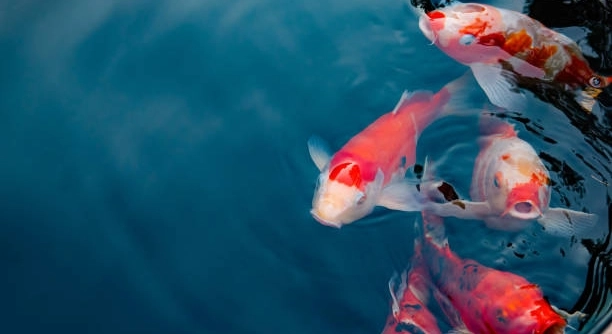
Koi fish are beautiful and popular in many ponds and water gardens. They thrive in balanced environments where the water temperature stays stable. When water gets too warm, koi can experience stress that affects their health and behavior.
Overheating in koi fish disrupts their metabolism, reduces oxygen availability in the water, and weakens their immune system. Prolonged exposure to high temperatures can lead to lethargy, increased susceptibility to disease, and in severe cases, death. Managing water temperature is critical to their well-being.
Understanding how heat affects koi fish will help you maintain a healthier pond environment. This knowledge ensures your koi stay vibrant and active through all seasons.
Causes of Overheating in Koi Fish
Koi fish can overheat due to several environmental factors. One of the most common causes is high water temperature, often during hot summer months. When the pond water heats up above 77°F (25°C), koi metabolism speeds up, increasing their oxygen demand. Unfortunately, warm water holds less oxygen, which strains the fish. Another factor is poor water circulation, which reduces oxygen distribution and causes pockets of warmer water. Shallow ponds are more prone to rapid temperature changes, especially under direct sunlight. Excessive algae growth can also trap heat and reduce oxygen levels. Lastly, overcrowding in the pond can increase stress and worsen the effects of high temperatures. It’s important to monitor these conditions regularly to prevent overheating and keep koi healthy.
Water temperature and oxygen levels are closely linked, making it essential to control both for koi’s comfort.
Proper pond design and maintenance help reduce overheating risks for koi during warm periods.
Signs That Your Koi Are Overheating
When koi overheat, they show distinct behaviors. They often become sluggish and stop swimming actively. You might notice them staying near the water surface, gasping for air. Their fins may appear clamped or less spread out than usual. Color changes, such as pale or faded scales, can also occur. Overheated koi may lose appetite, and their immune systems weaken, making them prone to infections. In extreme cases, koi might float listlessly or isolate themselves. These signs mean the fish are under stress and need immediate attention. Early recognition helps prevent serious health problems or death. Keeping a close eye on koi behavior during hot weather is vital for their survival.
Proper observation allows for timely action to protect koi from heat-related harm.
How to Prevent Koi Fish Overheating
Maintaining a healthy pond environment is key to preventing overheating in koi. Start by ensuring your pond has adequate depth, ideally at least three feet, to allow cooler water layers. Shade the pond with floating plants or install shade covers to reduce direct sunlight. Aeration devices like air pumps or fountains increase oxygen levels and improve water circulation. Regularly remove debris and algae that trap heat and lower water quality. Monitor water temperature daily, especially during summer, and consider using pond chillers if necessary. Avoid overfeeding, as uneaten food can raise ammonia levels and stress koi. Lastly, keep the pond population balanced to reduce competition for oxygen. These steps create a safer and cooler habitat for your koi, helping them stay healthy year-round.
Preventing overheating is about thoughtful care and consistent pond management practices.
Effects of Overheating on Koi Health
Overheating weakens koi’s immune system, making them vulnerable to infections and diseases. Their ability to fight off parasites and bacteria decreases significantly under heat stress.
Prolonged exposure to high temperatures leads to decreased oxygen levels in the water, causing koi to struggle with respiration. This can result in lethargy, loss of appetite, and slower growth. Stress from heat also disrupts normal bodily functions and can damage vital organs over time. In some cases, heat stress may cause koi to develop fin rot or bacterial infections due to weakened defenses. Immediate steps to cool the pond and improve oxygen levels are essential to prevent serious illness.
Behavioral changes like erratic swimming or isolation often accompany health issues. Identifying these signs early can save your koi from lasting damage. Providing a stable environment is critical for their recovery.
How to Cool Your Pond Quickly
Shading the pond helps reduce water temperature rapidly by blocking sunlight. Floating plants or shade sails are effective options.
Increasing aeration improves oxygen levels and water circulation, which cools the pond naturally. Adding a fountain, waterfall, or air pump can make a noticeable difference. You might also consider partial water changes with cooler water to lower the temperature quickly. Avoid sudden temperature shifts, as this can shock your koi. Using pond chillers or adding ice packs in extreme heat can be a last resort but effective. It’s important to act quickly before heat stress causes harm. Consistent monitoring during hot spells allows for timely intervention and protects your fish’s health.
Monitoring Water Quality Regularly
Regular water testing is essential to catch changes that can stress koi. Checking temperature, pH, ammonia, and oxygen levels helps maintain a safe environment.
Keeping records of water quality trends allows you to notice problems early. Prompt action can prevent overheating and other health issues.
Feeding Adjustments During Hot Weather
Koi eat less when the water temperature rises because their metabolism slows down at extreme heat. Feeding smaller amounts reduces waste and water contamination.
Avoid overfeeding to prevent excess ammonia buildup. Switching to easily digestible food helps koi stay nourished without stressing their system.
Signs of Heat Stress in Koi
Heat-stressed koi often gasp at the surface and become less active. These are clear warning signs to take immediate action.
Using Shade to Protect Your Pond
Providing shade helps keep water temperature stable. Trees, shade sails, or floating plants reduce direct sunlight and heat buildup effectively.
FAQ
How do I know if my koi fish are overheating?
Signs of overheating include koi staying near the water surface, gasping for air, and swimming sluggishly. They may also show faded colors, lose appetite, and isolate themselves. Clamped fins and erratic swimming are other common symptoms. Watching their behavior carefully during hot weather is important to spot overheating early.
What water temperature is too hot for koi fish?
Water temperatures above 77°F (25°C) can start stressing koi fish. Prolonged exposure to temperatures above 82°F (28°C) is particularly dangerous, as it lowers oxygen levels and stresses their metabolism. Keeping the pond below this temperature range helps maintain koi health.
Can koi fish recover from overheating?
Yes, koi can recover if action is taken quickly. Cooling the pond, improving aeration, and ensuring clean water are essential steps. However, prolonged heat stress can cause permanent damage or death. Early intervention gives koi the best chance to bounce back.
What are the best ways to cool a pond in summer?
Providing shade with plants or covers reduces sunlight exposure. Increasing aeration through fountains or air pumps raises oxygen levels and promotes water circulation. Partial water changes with cooler water can also help. In extreme cases, pond chillers or ice packs may be used carefully to avoid shocking the fish.
Does overheating cause disease in koi fish?
Yes, overheating weakens koi’s immune system, making them more vulnerable to bacterial infections, parasites, and fungal diseases. Heat stress can lead to fin rot and other secondary infections. Maintaining proper water temperature reduces these risks significantly.
How often should I test my pond water during hot weather?
Testing daily during hot spells is recommended. Monitor temperature, oxygen levels, ammonia, nitrites, and pH to ensure stable conditions. Regular testing helps detect early signs of stress and allows timely adjustments.
Is it okay to feed koi during a heatwave?
Feeding should be reduced when water temperatures are high. Koi’s metabolism slows in warm water, so they eat less. Overfeeding can lead to poor water quality and increased stress. Providing easily digestible food in small amounts supports their health without overloading the pond system.
Can overcrowding worsen overheating effects?
Yes, overcrowded ponds have higher oxygen demand and waste buildup, making koi more susceptible to heat stress. Maintaining an appropriate fish population reduces competition for oxygen and lowers stress.
What role do plants play in preventing koi overheating?
Plants provide natural shade and reduce sunlight hitting the water, which lowers temperature. Floating plants also help oxygenate water and absorb excess nutrients, limiting algae growth that traps heat. A well-planted pond creates a cooler, healthier habitat.
When should I consider using a pond chiller?
Pond chillers are useful during extreme heat when other cooling methods are insufficient. They help maintain stable temperatures but should be used carefully to avoid sudden temperature changes that shock koi. Chillers are often a last resort for maintaining fish health during prolonged heatwaves.
Are shallow ponds more prone to overheating?
Yes, shallow ponds heat up faster and cool down quickly, causing temperature fluctuations. Deeper ponds provide more stable temperatures, as cooler water layers remain below the surface. Increasing pond depth can reduce overheating risks.
What can I do if my koi show signs of heat stress?
Immediate steps include adding shade, increasing aeration, and performing partial water changes with cooler water. Reduce feeding and remove any decaying plant matter or debris. If symptoms persist, consult a pond expert or veterinarian for treatment options.
Can heat stress affect koi breeding?
High temperatures can disrupt koi breeding cycles by stressing fish and reducing their reproductive capacity. Cooler, stable water conditions encourage successful spawning and healthier fry development.
Is it normal for koi to gather at the pond surface in hot weather?
Yes, koi often come to the surface to access higher oxygen levels near the air-water interface. This behavior signals low oxygen in the pond, often caused by overheating. Taking steps to cool the pond and aerate the water will help.
How does algae growth relate to pond temperature?
Warm water promotes algae blooms, which trap heat and reduce oxygen during night respiration. Excessive algae can worsen overheating effects and reduce water quality. Managing algae through plants, filtration, and regular cleaning helps keep temperature and oxygen balanced.
Final Thoughts
Overheating is a serious issue for koi fish that can quickly affect their health and well-being. When water temperatures rise above a comfortable level, koi become stressed, which weakens their immune system and makes them more vulnerable to illness. Their oxygen needs increase while the water holds less oxygen, creating a difficult environment for them to survive. Paying close attention to your pond’s temperature and the behavior of your koi is key to preventing serious problems.
Managing the pond environment during hot weather takes consistent effort. Simple actions like providing shade, increasing aeration, and performing partial water changes can make a big difference. Using floating plants or shade sails helps block direct sunlight, while fountains or air pumps improve oxygen circulation. These adjustments help keep the water cooler and healthier for your koi. It is also important to avoid overfeeding during heat spells because uneaten food can foul the water and add stress.
By monitoring your pond regularly and reacting quickly to signs of heat stress, you can protect your koi from the dangers of overheating. Maintaining good water quality and stable temperatures helps keep your fish active, healthy, and vibrant. Even small changes to their environment can have a positive effect. Taking these steps shows care and responsibility for your koi, ensuring they thrive through the warmest seasons and beyond.

Hello,
If you enjoy the content that we create, please consider saying a "Thank You!" by leaving a tip.
Every little bit helps us continue crafting quality advice that supports the health, happiness, and well-being of pets around the world, for pets of all shapes, sizes, and species.
We really appreciate the kindness and support that you show us!