
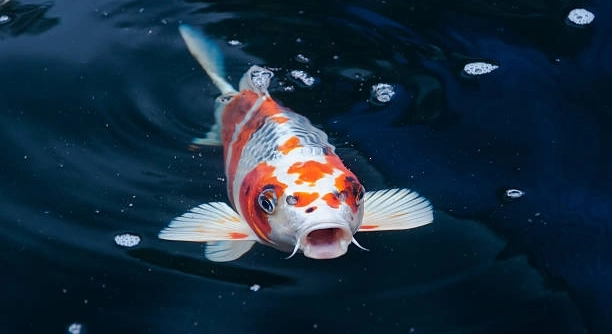
Is your koi pond constantly exposed to the elements, leaving you worried about the fish, water quality, or debris piling up? Covering it might offer more benefits than you’ve realized, especially through the changing seasons.
Covering your koi pond helps maintain water temperature, reduce debris, deter predators, and prevent algae growth. It also protects the fish from harsh weather conditions and supports overall pond health throughout the year.
From seasonal changes to day-to-day protection, each reason shows how a simple cover can make a noticeable difference.
Protects Your Fish from Predators
Covering your koi pond is one of the easiest ways to keep your fish safe from predators. Birds like herons and raccoons are drawn to open water, and without a barrier, your koi become an easy target. A mesh cover or netting helps keep these animals out while still allowing sunlight and air to reach the water. Some pond covers are even designed to blend into the surroundings, keeping your garden looking natural. It’s a small step that can give you peace of mind, especially during seasons when wildlife is more active near water sources.
Adding a cover also discourages curious pets from getting too close.
If you’ve ever stepped outside to see a missing fish or signs of struggle, a cover can help prevent that from happening again. It’s a proactive step that doesn’t require much maintenance but goes a long way in protecting your koi.
Reduces Debris and Maintenance Time
Falling leaves, twigs, and dirt can quickly collect in an uncovered pond.
By covering your pond, you cut back on how much cleaning and skimming you need to do. Leaves can lead to poor water quality as they break down and release tannins, which may discolor the water and alter the pH balance. In autumn, this becomes a bigger problem, especially if your pond sits beneath trees. A cover prevents most of this mess from getting in at all. Less organic material in the water also means a lower chance of filter clogging and algae buildup. This helps maintain better water clarity and saves you from spending hours scooping out debris. It also protects any equipment in the pond, such as pumps and fountains, from unnecessary wear. Whether you use a mesh net or a solid cover, the reduction in debris makes caring for your pond much easier year-round.
Helps Regulate Water Temperature
When your koi pond is covered, it’s easier to keep the water temperature stable. This is especially important during cold snaps or extreme heat, when temperature swings can stress your fish and harm their immune systems.
A pond cover acts like insulation, holding warmth in during the colder months and shielding the water from intense sunlight in the summer. Koi are sensitive to sudden changes in temperature, and stable conditions help reduce their risk of illness. During winter, a covered pond can prevent the surface from freezing completely, allowing gas exchange and maintaining oxygen levels. In the summer, it helps keep water from overheating, especially in shallow ponds. The more consistent the temperature, the better it is for your koi’s overall health. Using a floating cover or greenhouse-style structure works well for seasonal shifts and adds a layer of year-round protection without interfering too much with the pond’s appearance.
Covering your pond also supports plant health by preventing extreme shifts in temperature that may affect aquatic vegetation. Plants thrive in stable conditions, and healthy plants help maintain oxygen levels and water clarity. If your pond is part of a well-balanced ecosystem, this added stability makes everything run smoother with less hands-on effort.
Limits Algae Growth
Blocking sunlight is a simple way to slow algae growth in your pond. Algae depend on sunlight to grow, so reducing light exposure with a cover can help keep the water clearer and more balanced.
During warmer months, algae growth tends to spike, especially when sunlight is constant. A covered pond gets less direct light, which interrupts algae’s growth cycle. This helps maintain a cleaner look and reduces competition for oxygen in the water. When algae get out of control, it impacts water quality and stresses your koi. Instead of treating algae with chemicals, preventing it from growing is a cleaner, more natural method. Covers also help reduce nutrient buildup by limiting debris, which algae feed on. With consistent coverage, you’ll likely notice fewer green patches and better visibility in the water. It’s a reliable way to manage algae without needing frequent treatments or major cleanups.
Prevents Accidental Falls
A pond cover helps prevent pets, kids, or even adults from accidentally falling into the water. This is especially useful if your pond is near walkways or doesn’t have clear borders around the edge.
It’s a simple safety measure that adds peace of mind, especially during gatherings or busy days.
Reduces Evaporation
When left uncovered, koi ponds lose water more quickly through evaporation, especially during hot or windy weather. A pond cover slows this down by shielding the surface from direct sun and air movement. This means less frequent refills, more stable water levels, and fewer changes in water chemistry. Keeping evaporation under control also helps maintain the balance of nutrients and reduces stress on your filtration system. If you live in a dry climate or experience long summer days, this can make a noticeable difference. It’s a quiet, low-effort way to help keep your pond running smoothly without daily monitoring or top-offs.
Blocks Harsh Weather
Rain, snow, and strong winds can all affect your pond. A cover acts as a shield, reducing the impact of weather changes and keeping your pond cleaner and more stable year-round.
FAQ
What type of cover works best for koi ponds?
The best type of cover depends on your pond’s size, location, and the kind of protection you need. For general use, a fine mesh net is lightweight and easy to install. It keeps out leaves, animals, and large debris without blocking airflow or light completely. If you need stronger protection—especially in winter—consider a solid polycarbonate cover or a framed greenhouse-style lid. These are more durable and offer better insulation but may require more effort to install and remove. Whichever style you choose, make sure it fits securely to prevent gaps or sagging.
Can koi survive under a covered pond year-round?
Yes, koi can live under a covered pond year-round if the cover still allows for gas exchange and light penetration. Proper covers let oxygen in and carbon dioxide out while protecting the pond from harsh elements. In colder climates, a covered pond helps prevent ice from sealing the surface, which is crucial for oxygen levels. Just be sure to check water quality regularly and ensure your filtration and aeration systems are working properly. If your cover blocks too much light, you may need to adjust how much you feed your koi or how you manage plants.
Will a pond cover affect oxygen levels?
If the pond cover is breathable or used along with proper aeration equipment, it won’t negatively affect oxygen levels. Mesh and vented covers allow natural air circulation, while solid covers need ventilation built in. Air stones or small fountains can also keep oxygen levels stable underneath a cover. It’s important to monitor water conditions, especially in the summer or winter, when oxygen levels tend to fluctuate more. Regular maintenance and checking on your koi’s behavior can help you spot any early signs of oxygen issues.
How do I stop my pond cover from sagging?
To avoid sagging, make sure your pond cover is tightly secured and supported. Use hooks, stakes, or a frame system to hold the cover in place. For larger ponds, consider using a PVC or metal frame that arches over the water, allowing rain or snow to slide off instead of pooling. Always check that the cover is pulled tight and doesn’t dip into the water, which could stress your koi or attract animals. A well-supported cover lasts longer and functions better throughout the seasons.
Are there seasonal covers I should consider?
Yes, some pond owners switch covers depending on the season. In fall, lightweight mesh nets catch leaves without blocking too much sunlight. In winter, a solid or insulated cover can keep the water warmer and help prevent ice buildup. Spring and summer might not require a cover, but if algae is a concern or predators are active, a light mesh or shade cloth can still be useful. Seasonal switching gives you flexibility while helping the pond stay clean and safe year-round.
Do pond covers stop mosquitoes from breeding?
Yes, they can help reduce mosquito activity. A tightly-fitted mesh or screen prevents mosquitoes from landing on the water’s surface to lay eggs. While not a complete solution, it’s a helpful step, especially when used with water movement like a fountain or bubbler. Mosquitoes prefer stagnant water, so combining a pond cover with good circulation and the occasional mosquito dunk (safe for fish) can significantly lower their numbers.
Is it hard to remove and clean a pond cover?
Not really. Most mesh and net covers are designed to be easy to lift off and rinse with a hose. You’ll want to clean the cover regularly—especially in autumn when leaves are falling—to prevent sagging and buildup. Solid covers may be heavier but usually only require cleaning once or twice a season, depending on weather conditions. If you keep up with maintenance, it’s a simple process that won’t take much time and makes a noticeable difference in how your pond looks and functions.
Can I still enjoy the look of my pond with a cover?
Yes, many covers are designed to be discreet or blend into your landscape. Clear polycarbonate panels, dark mesh, and removable frames keep your view open while still offering protection. If aesthetics matter to you, choose materials that match your garden style or opt for seasonal covers that can be removed when not needed. Some people even decorate the edges of their covers with plants or stones to make them less noticeable. You don’t have to sacrifice beauty for safety and cleanliness.
How long does a typical pond cover last?
That depends on the material and how well you take care of it. Lightweight mesh covers usually last a few seasons with proper care. Solid plastic or framed covers tend to last much longer—often 5 to 10 years—if stored properly and kept clean. Regularly inspecting for wear, sagging, or holes can extend your cover’s life. UV-resistant materials and strong seams help prevent weather damage. Even basic maintenance, like storing covers during off-seasons and avoiding heavy snow loads, makes a big difference in how long they hold up.
Final Thoughts
Covering a koi pond is a helpful way to protect your fish, reduce maintenance, and manage seasonal changes. Whether you’re trying to keep out falling leaves, stop predators, or keep the water temperature stable, a well-chosen cover can make a noticeable difference. It doesn’t have to be complicated or expensive. Even a simple net can do the job if it fits your needs and is installed properly. For those with changing weather or more demanding conditions, stronger covers like framed panels or solid materials can offer better protection. The key is to think about your pond’s size, location, and how much time you want to spend on care.
You also need to make sure the cover doesn’t create new problems. It should allow for air to flow and sunlight to reach the pond when needed. Covers that trap too much heat or limit gas exchange can harm your koi. That’s why it’s important to keep a close eye on the water quality and your fish’s behavior. Using an air pump or small fountain can help keep the oxygen levels safe under the cover. If you live in a colder area, a solid winter cover might be helpful, but always make sure there’s still a way for air to get in and out. Simple checks and small adjustments go a long way in keeping things balanced.
In the end, choosing a pond cover comes down to what works best for your space and your fish. There’s no single solution for every pond, and it might take a little trial and error to find what fits your routine. Keep in mind the materials, ease of use, and how it fits into your garden or backyard. If you’re consistent with care and willing to check in regularly, even a basic setup can keep your koi healthy and your pond looking clean. Whether you cover your pond just for fall or leave it covered year-round, the goal is to support your fish and make your maintenance routine easier.

Hello,
If you enjoy the content that we create, please consider saying a "Thank You!" by leaving a tip.
Every little bit helps us continue crafting quality advice that supports the health, happiness, and well-being of pets around the world, for pets of all shapes, sizes, and species.
We really appreciate the kindness and support that you show us!