
Caring for koi fish can be a relaxing and rewarding hobby. Knowing how to spot a healthy koi is important for keeping your pond vibrant and lively. This guide will help you recognize the key signs of a thriving fish.
A healthy koi fish displays clear eyes, smooth and intact scales, active swimming behavior, and consistent breathing patterns. These indicators collectively reflect good health and proper care, minimizing the risk of disease and stress in the aquatic environment.
Recognizing these signs early helps you maintain a flourishing pond and prevents potential problems before they arise. This knowledge is essential for any koi enthusiast wanting to provide the best care.
Physical Appearance of a Healthy Koi
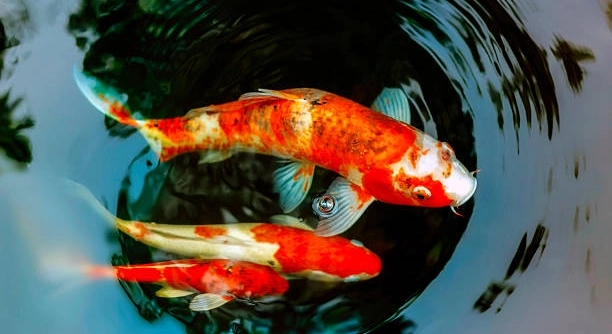
Healthy koi have bright, even colors that look natural and vibrant. Their scales should lie flat and be free of any damage or discoloration. The body of the fish is smooth and symmetrical, without any lumps or swelling. Clear eyes that are not cloudy or bulging are a good sign of health. The fins should be fully spread and intact, moving smoothly without any ragged edges or tears. When a koi is healthy, its skin looks moist and shiny, not dull or dry. Any spots or marks should be natural color variations, not signs of infection or injury. Observing your koi regularly will help you notice if their physical appearance changes, which can signal health problems early. Keeping the pond clean and well-maintained supports the fish’s healthy look and behavior.
Consistent coloration and smooth scales are essential indicators of a healthy koi fish. These features reflect proper nutrition and good water quality.
Knowing what to look for in a koi’s physical condition helps you maintain their well-being. It also gives peace of mind that the fish are thriving in their environment, making your pond a pleasant place to enjoy.
Behavior and Activity Levels
A healthy koi swims actively and explores its surroundings with ease. It responds quickly to feeding and interacts with other fish without signs of stress.
Koi that remain still for long periods or hide too often may be experiencing illness or poor water conditions. Healthy koi move smoothly without erratic or jerky motions. They come to the surface calmly during feeding and show natural curiosity. Observing how your koi behaves daily can reveal much about their health status. Sudden changes in activity or appetite should be addressed quickly to prevent worsening problems. Balanced feeding and a stable environment support steady activity levels and a peaceful pond atmosphere. When koi are active and alert, it is usually a sign their needs are being met properly. Regular care and attention help keep them lively and healthy over time.
Signs of Disease to Watch For
Early signs of disease include dull colors, clamped fins, and sluggish behavior. Look for any spots, ulcers, or unusual growths on the koi’s body. Rapid breathing or gasping at the surface also indicates trouble.
Spotting these signs early can prevent serious illness. Many koi diseases show external symptoms first, such as white patches, red streaks, or swollen areas. Internal problems might cause the fish to isolate itself or stop eating. Maintaining good water quality and a balanced diet reduces disease risk. When signs appear, acting quickly by testing water and consulting care guides helps protect the entire pond. Ignoring symptoms can lead to spreading infections, making treatment harder.
Regular observation and quick response are key to managing koi health. Clean water and a stable environment are the best defenses against common diseases.
Water Quality Importance
Clean, well-oxygenated water is critical for koi health. Poor water quality stresses fish and makes them vulnerable to illness.
Maintaining proper water parameters like pH, ammonia, nitrite, and nitrate levels keeps koi healthy. Ammonia and nitrites are toxic, so their levels should be close to zero. pH should be stable, usually between 7.0 and 8.0. Regular testing helps catch imbalances early. Using a good filtration system and performing partial water changes improve water clarity and reduce harmful chemicals. Temperature control is also important, as koi prefer moderate, stable temperatures. Stress from poor water conditions weakens the immune system, making koi more prone to disease and reducing their activity. Monitoring and managing water quality creates a safe environment for your koi to thrive.
Feeding Habits
Healthy koi eat regularly and show interest during feeding time. They eagerly come to the surface when food is offered.
Consistent appetite is a good sign. Sudden loss of interest in food may indicate stress or illness, so monitor feeding behavior closely.
Water Temperature Effects
Koi are cold-blooded and depend on water temperature for metabolism. Ideal temperatures range from 59°F to 77°F (15°C to 25°C).
Temperature outside this range can slow their digestion or cause stress. In colder water, koi become less active and may eat less, while too warm water can reduce oxygen levels, making breathing difficult. Maintaining stable temperatures with a pond heater or shade helps koi stay healthy year-round. Sudden changes in temperature increase disease risk, so gradual adjustments are best.
Pond Cleanliness
A clean pond supports koi health by reducing toxins and harmful bacteria. Regular debris removal and water changes keep the environment safe.
FAQ
How often should I check my koi fish for health issues?
It’s best to observe your koi daily if possible. Watching their behavior, appetite, and physical condition regularly helps catch problems early. Quick attention to changes prevents serious illness and keeps your pond balanced. Even a short glance during feeding time can reveal a lot about their health.
What is the best way to keep koi scales healthy?
Healthy koi scales lie flat and shine naturally. Avoid overcrowding the pond, as it can cause stress and damage scales. Keeping water clean and balanced supports healthy skin and scales. Gentle handling during pond maintenance prevents accidental injury.
Can poor water quality cause koi to lose color?
Yes, poor water conditions can stress koi and dull their colors. High ammonia, nitrite, or nitrate levels harm fish health and affect their appearance. Proper filtration, regular water testing, and partial water changes help keep water quality high and colors vibrant.
How do I know if my koi is stressed?
Signs of stress include hiding, clamped fins, reduced appetite, and erratic swimming. Stress weakens the immune system, making fish prone to disease. Factors like poor water quality, sudden temperature changes, or overcrowding can cause stress. Correcting these helps koi return to normal behavior.
Is it normal for koi to rest on the bottom of the pond?
Koi sometimes rest near the pond bottom, especially in cooler water or at night. However, prolonged inactivity or lying still during the day might signal illness or poor water conditions. Monitor their activity and water parameters to ensure rest doesn’t turn into a problem.
What should I do if my koi shows white spots?
White spots often indicate parasites like Ich. Treat the pond with appropriate medication and maintain good water quality. Quarantining affected fish helps stop the spread. Early treatment is key to preventing serious damage.
How important is pond size for koi health?
A larger pond gives koi more space to swim and reduces stress. Overcrowding can lead to poor water quality and disease. Aim for at least 250 gallons per koi fish to ensure they have room to thrive and grow properly.
Can koi live in outdoor ponds year-round?
Koi can live outside year-round if the pond is deep enough to prevent freezing solid. In colder climates, a pond depth of at least 3 feet is recommended. Using pond heaters or aerators during winter helps maintain oxygen levels and fish health.
How often should I clean my koi pond?
Regular cleaning depends on pond size and stocking levels but generally every few weeks. Remove debris and perform partial water changes to maintain water quality. Avoid full cleaning that disturbs beneficial bacteria. Keeping the pond balanced reduces stress and disease risk.
What is the best diet for koi?
Koi do well on a balanced diet with quality pellets designed for them. Supplementing with vegetables, fruits, and occasional treats supports growth and color. Feeding in small amounts 2-3 times a day prevents overeating and water pollution.
Why do koi sometimes gasp at the water surface?
Gasping can mean low oxygen levels in the pond. Warm water holds less oxygen, and overcrowding or poor filtration can worsen this. Improving aeration with fountains or air pumps increases oxygen and reduces stress.
How long do koi typically live?
With good care, koi can live 20 to 30 years, sometimes longer. Their lifespan depends on genetics, environment, and care quality. Maintaining clean water, proper diet, and monitoring health helps koi reach their full potential.
Can koi be kept with other fish?
Yes, koi can live with other large, peaceful fish. Avoid aggressive or small fish that koi might harm or eat. Compatible pond mates include goldfish and some types of carp. Mixing species requires careful monitoring to maintain water quality and health.
How do I handle koi safely during pond maintenance?
Use a soft net and wet hands to reduce stress and protect their slime coat. Minimize handling time and avoid rough surfaces. Returning koi gently to the pond helps prevent injury and infection.
What are common signs of koi aging?
Older koi may slow down, lose some color intensity, or develop minor physical changes like scale irregularities. Aging fish still need good care but may require adjustments in feeding and environment to stay comfortable.
Can koi recover from injuries?
Many minor injuries heal well with good water quality and reduced stress. Keep injured koi in clean, calm water and monitor for infection. Severe wounds might need treatment or quarantine to prevent complications. Early care improves recovery chances.
Final Thoughts
Taking care of koi fish requires attention to many small details that add up to their overall health. Watching their physical appearance closely can tell you a lot about how well they are doing. Bright colors, smooth scales, and clear eyes are signs that your koi are healthy and happy. Alongside appearance, behavior is an important clue. Active swimming, normal eating habits, and calm breathing patterns show your koi feel comfortable in their environment. When you notice changes like dull colors or sluggishness, it is important to check the pond conditions and water quality right away.
Water quality plays a huge role in keeping koi healthy. Clean water with balanced pH, low ammonia, and sufficient oxygen is essential. Poor water conditions stress fish, making them more vulnerable to disease and reducing their activity. A good filtration system and regular water changes help maintain a safe habitat. Also, managing water temperature within the ideal range supports proper koi metabolism and immune function. By keeping water parameters stable, you reduce risks and create a comfortable home for your fish.
Feeding your koi the right diet and watching their appetite are simple but powerful tools in koi care. Healthy koi eat regularly and show interest in food, while a lack of appetite can be an early warning sign of stress or illness. Feeding in small, balanced portions avoids overfeeding and water pollution. Finally, observing your koi often and acting quickly when problems appear helps prevent bigger health issues. With steady care, good water quality, and attention to your fish’s behavior and appearance, your koi can live a long, healthy life in a beautiful pond environment.

Hello,
If you enjoy the content that we create, please consider saying a "Thank You!" by leaving a tip.
Every little bit helps us continue crafting quality advice that supports the health, happiness, and well-being of pets around the world, for pets of all shapes, sizes, and species.
We really appreciate the kindness and support that you show us!