
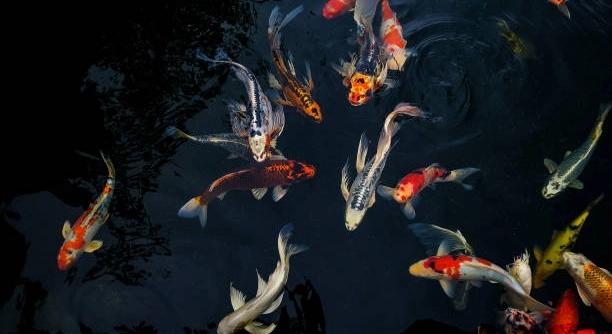
Koi fish are popular pond pets known for their beauty and calm nature. Sometimes, they avoid using shelters placed in their environment. This behavior can puzzle koi keepers who want to provide a safe space for their fish.
Koi fish may refuse shelter due to factors such as water quality, lighting, temperature, or stress from sudden changes. Additionally, some koi prefer open areas for swimming and may not feel the need for shelter. Understanding these reasons can help improve their comfort.
Knowing why koi avoid shelters can help you create a better pond environment. Small adjustments may encourage them to feel safer and more relaxed in their home.
Common Reasons Koi Fish Avoid Shelter
Koi fish may refuse shelter for several practical reasons. One major factor is water quality. If the water is not clean or properly balanced, koi might avoid certain areas, including shelters. Lighting also plays a role; koi prefer moderate lighting and may stay away from places that are too dark or too bright. Temperature changes can make koi uncomfortable, leading them to avoid shelters if those spots feel colder or warmer than the rest of the pond. Stress caused by loud noises, sudden movements, or overcrowding can also keep koi from using shelters. Sometimes, koi simply enjoy swimming freely in open water, feeling more secure in visible, spacious areas. Observing these patterns can help you identify what your koi might prefer.
Shelters that do not match the natural environment or are too small might also be rejected by koi.
Adjusting shelter placement and ensuring the pond conditions are stable can make a big difference. Testing water quality regularly and keeping the environment calm will encourage koi to explore their shelters. Try placing shelters in areas with gentle lighting and stable temperatures. Also, choose shelters that are large enough and blend naturally with the pond surroundings. Providing multiple shelter options can help koi feel more comfortable and choose their favorite spots. Regular observation will guide you on how your koi respond to these changes and improve their overall wellbeing.
How to Encourage Koi to Use Shelter
Choosing the right shelter is essential for koi acceptance. The shelter should be spacious enough for your koi to swim in comfortably and positioned where lighting and water temperature are balanced. Shelters made from natural materials or those that mimic the pond’s environment are often preferred by koi.
Creating a calm environment around the shelter area can encourage koi to explore it. Avoid loud noises or sudden movements nearby. Regularly cleaning the shelter and the surrounding pond area helps maintain good water quality, which also attracts koi to use the shelter more willingly. Adding plants around the shelter can make it more inviting by providing extra cover and mimicking natural hiding spots.
Consistency is key. Give your koi time to adjust to new shelters and changes. Watching their behavior will reveal what works best, and small adjustments can make a big difference. Taking these steps will help your koi feel safe and supported in their pond home.
Shelter Placement and Pond Design
Proper placement of shelters is vital. Shelters should be in quiet areas away from strong currents or heavy foot traffic. Positioning them near plants or natural features helps koi feel more secure. Avoid placing shelters in direct sunlight or extremely shaded spots.
Shelters located in calm zones of the pond encourage koi to explore and rest inside. If shelters are placed where water flow is too strong, koi may avoid them because they prefer gentle currents. Also, putting shelters near the edges of the pond gives koi a sense of protection and easy escape routes. These spots often have more natural cover, making them attractive.
The size and shape of the pond influence koi behavior. Larger ponds with varied landscapes give koi more options, so they may not use all shelters immediately. Smaller ponds may require careful placement of multiple shelters to avoid competition among fish. Watching how koi interact with the pond layout can guide where to add or adjust shelters for better acceptance.
Behavior and Social Factors
Koi behavior is influenced by social dynamics and personality. Some koi are naturally bolder and explore more, while others are shy and rely on shelter for safety. The mix of personalities in your pond affects how often shelters are used.
Social hierarchy can impact shelter use, as dominant koi may claim the best spots, forcing others to avoid shelters altogether. Koi that feel threatened by tank mates or larger fish may hesitate to enter shelters if those areas seem unsafe. Grouping koi with similar temperaments can reduce stress and increase shelter use. Regular observation helps you understand these social patterns and adjust accordingly to keep peace in your pond.
Seasonal Changes and Shelter Use
Seasonal changes affect koi shelter habits. In colder months, koi may seek shelter more often for warmth and safety. During warmer months, they might avoid shelters to stay in cooler, open water.
Water temperature shifts also influence koi activity levels. Cooler water slows their metabolism, making them less active and more likely to hide. Warmer water increases activity, reducing shelter use. Monitoring temperature helps predict shelter needs throughout the year.
Impact of Feeding on Shelter Behavior
Feeding routines impact koi behavior around shelters. Regular feeding times encourage koi to leave shelters to eat and return afterward. Irregular feeding can cause stress, making koi hide more often and avoid shelters.
Common Shelter Materials and Their Effects
Materials like plastic, ceramic, or natural wood affect koi comfort. Natural materials often feel safer and more inviting. Artificial shelters sometimes seem unfamiliar, causing koi to avoid them.
Observing Shelter Use Over Time
Watching koi behavior over weeks reveals patterns. Changes in shelter use can signal health or environmental issues needing attention.
FAQ
Why do some koi fish refuse to use shelter even when it looks perfect?
Koi can be picky about shelters because of several reasons. The shelter might be too small or too dark, making them uncomfortable. Sometimes, the water flow or temperature around the shelter isn’t right, which can make koi avoid it. If the shelter feels unsafe or unfamiliar, koi will stay away. It’s also possible that the koi simply prefer open water or other parts of the pond where they feel more secure.
How can I tell if my koi are stressed by their environment?
Signs of stress include hiding more than usual, reduced appetite, or unusual swimming patterns. Koi may also stay near the surface or gasp for air if water quality is poor. Stress can cause them to avoid shelters or hide excessively. Regular observation is key to catching these signs early so you can adjust the pond conditions.
Can the placement of shelter really affect koi behavior?
Yes, shelter placement matters a lot. Shelters placed in noisy or busy spots are often ignored. Koi like calm, quiet areas with gentle water flow. Placing shelters near plants or shaded spots helps koi feel protected. If the shelter is too exposed or in direct sunlight, koi might avoid it.
Are all koi the same when it comes to shelter use?
No, individual koi have different personalities and preferences. Some are bold and curious, happily exploring shelters. Others are shy and may only use shelter when feeling threatened. The social dynamics in the pond also affect shelter use—dominant koi might take over shelters, leaving others out.
Does water temperature affect how often koi use shelters?
Water temperature plays a big role. In colder water, koi slow down and use shelters more for warmth and protection. When the water is warm, koi are more active and spend less time hiding. Temperature changes can make koi shift their shelter habits seasonally.
What materials make the best koi shelters?
Natural materials like wood or stone usually work best. These feel more familiar and safe to koi. Plastic or ceramic shelters sometimes seem unnatural and can be ignored. Make sure the shelter has smooth surfaces without sharp edges to keep koi safe.
Can feeding habits influence koi shelter use?
Definitely. Regular feeding schedules encourage koi to leave shelters to eat and return afterward. If feeding is inconsistent, koi may become stressed and hide more often. Providing food in a quiet spot away from shelters helps koi feel secure.
How can I encourage shy koi to use shelter?
Give them time and multiple shelter options. Place shelters in quiet, calm areas with gentle lighting and water flow. Adding plants near shelters can help koi feel safer. Avoid sudden changes around the pond that may stress shy koi.
Is it normal for koi to ignore shelters at times?
Yes, it’s normal for koi to sometimes prefer open water, especially if they feel safe and comfortable. Shelters are just one part of their environment. Observing their behavior will tell you if they need more or different shelter options.
When should I be concerned about koi not using shelters?
If koi suddenly stop using shelters and show signs of stress or illness, check water quality, temperature, and pond conditions. Long-term avoidance can indicate problems like poor water or bullying from other fish. Acting quickly can prevent health issues.
Koi fish sometimes refuse shelter for many reasons, and understanding these reasons can help improve their well-being. Each koi has its own personality and comfort zone, which affects how it interacts with the pond environment. Factors like water quality, temperature, lighting, and social dynamics influence whether koi use shelters. Sometimes, koi simply prefer open spaces, while other times they need shelter to feel safe. Paying attention to these signs and adjusting the pond setup can make a big difference in how your koi behave.
It is important to create a pond environment that meets the needs of your koi. This means placing shelters in calm, shaded areas with gentle water flow. Using natural materials for shelters helps koi feel more at ease. Regular monitoring of water quality and temperature also supports koi health and comfort. Feeding your koi consistently encourages them to be active and helps reduce stress. Observing your koi’s habits over time lets you know what works best and when changes are needed.
Keeping koi happy and healthy takes patience and care. Not every koi will use a shelter all the time, and that is okay. The goal is to provide options and conditions that make your koi feel secure. When koi feel safe, they are more likely to explore and enjoy their pond. With some attention to their environment and behavior, you can support your koi’s natural habits and help them thrive in your care.

Hello,
If you enjoy the content that we create, please consider saying a "Thank You!" by leaving a tip.
Every little bit helps us continue crafting quality advice that supports the health, happiness, and well-being of pets around the world, for pets of all shapes, sizes, and species.
We really appreciate the kindness and support that you show us!