
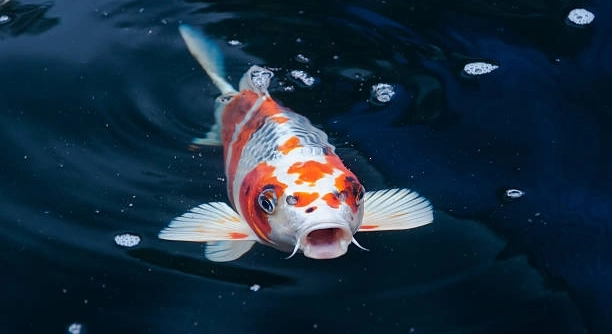
Excessive mucus on koi fish is a concern many pond owners face. This condition can signal several underlying problems that affect the health and well-being of these beautiful fish. Understanding the causes is important for proper care.
Excessive mucus production in koi often results from infections, poor water quality, stress, parasites, injuries, or chemical irritants. Each factor triggers a protective response in the fish’s skin, leading to the visible buildup of mucus. Proper diagnosis is essential for effective treatment.
Knowing the common causes of excess mucus helps in managing koi health and maintaining a clean, safe pond environment for your fish.
Poor Water Quality
Poor water quality is a common reason koi produce too much mucus. When water contains high levels of ammonia, nitrites, or nitrates, it irritates the fish’s skin and gills. This irritation causes the fish to secrete extra mucus as a protective layer. Dirty water can also harbor harmful bacteria and fungi, which can worsen the problem. Maintaining clean water is essential to reduce mucus production and keep koi healthy. Testing the water regularly and performing partial water changes help keep the environment balanced. Avoid overcrowding the pond, as too many fish produce more waste, affecting water quality. Filtration systems are vital in removing debris and harmful substances. If water conditions are poor for a long time, koi can become stressed and more vulnerable to diseases. Proper water care prevents excessive mucus and promotes the overall well-being of your fish.
Keeping water clean is key to preventing many koi health issues.
Excessive mucus caused by poor water quality is a physical response to irritation. Fish produce mucus to protect themselves from harmful substances and infections. When water parameters are unbalanced, the skin barrier weakens, making koi more prone to illness. Regular water testing for pH, ammonia, nitrites, and nitrates, along with adequate filtration, will keep your pond safe. Removing uneaten food and debris lowers waste buildup. Aerating the pond improves oxygen levels, reducing stress on koi. Healthy water reduces the need for excess mucus and supports the fish’s immune system. Proper pond maintenance is the best way to ensure your koi thrive without unnecessary mucus problems.
Parasites and Infections
Parasites such as flukes and lice often cause koi to produce excessive mucus. They attach to the skin and gills, causing irritation and damage.
Parasites and infections trigger a strong mucus response to protect koi skin from further harm. Flukes and lice feed on koi tissue, leaving wounds that increase mucus secretion. Bacterial infections often develop after parasite damage, worsening the condition. Signs include rubbing against surfaces, lethargy, and visible spots or ulcers. Treatment usually involves medicated baths or adding medication to the water. Early detection is critical to avoid serious harm. Regular health checks and quarantine for new fish help prevent spreading parasites. Maintaining clean water also reduces parasite risks. Understanding how parasites affect your koi allows you to act quickly and restore their health effectively.
Stress and Environmental Changes
Stress can cause koi to produce excess mucus as a defense mechanism. Changes in temperature, poor water quality, or overcrowding all increase stress levels in fish.
Stress weakens koi’s immune system, making them more vulnerable to infections and parasites. When stressed, koi secrete more mucus to protect their sensitive skin from irritants. Sudden changes like a drop in water temperature or adding new fish can trigger stress. Overcrowding reduces oxygen levels and increases waste, further stressing koi. To reduce stress, maintain stable water conditions, avoid overcrowding, and provide hiding spots. Regular monitoring helps catch stress signs early, preventing excessive mucus and other health problems.
Managing environmental factors carefully ensures koi stay calm and healthy, reducing mucus production caused by stress.
Injury and Physical Damage
Injuries to koi, whether from sharp objects, fights, or rough handling, lead to increased mucus production as part of the healing process. The mucus acts as a protective barrier to prevent infection.
Physical damage weakens the skin’s defense, making the fish vulnerable to bacteria and fungi. Koi produce extra mucus to shield wounds and help skin regenerate. Injuries often result from sharp pond decorations, rough surfaces, or aggressive tank mates. It’s important to inspect the pond regularly for hazards and to separate aggressive fish. Treating wounds with antibacterial solutions can reduce infection risk. Proper care after injury supports faster recovery and lowers mucus buildup. A safe pond environment minimizes the chance of injury, helping koi maintain healthy skin and clear mucus levels.
Chemical Irritants
Chemical irritants in the pond can cause koi to produce excess mucus as a defense. Household cleaners, pesticides, or runoff entering the water create harmful conditions for the fish.
Even small amounts of chemicals can irritate koi skin and gills. Avoid using chemicals near the pond and keep fertilizers or pesticides away to protect your fish. Regularly test the water to detect contaminants early and perform water changes to remove harmful substances.
Poor Diet
A poor diet weakens koi’s immune system, making them prone to mucus overproduction. Balanced nutrition supports healthy skin and reduces stress on the fish.
Feeding high-quality koi food that contains essential vitamins and minerals helps maintain strong immunity. Avoid overfeeding to prevent water pollution and related health issues. Supplementing with fresh vegetables can improve overall health.
Temperature Fluctuations
Rapid temperature changes stress koi, causing mucus production to increase. Sudden drops or rises affect their metabolism and skin condition.
Maintaining stable water temperature helps prevent unnecessary mucus buildup and supports fish health.
FAQ
What does excessive mucus on koi mean?
Excessive mucus on koi usually signals stress, irritation, or infection. It is the fish’s natural response to protect its skin from harmful substances like parasites, bacteria, or poor water conditions. While some mucus is normal, a thick layer indicates an underlying problem that needs attention.
How can I tell if the mucus is a sign of illness?
If the mucus looks thick, cloudy, or excessive, and your koi shows other signs like lethargy, rubbing against surfaces, or loss of appetite, it likely points to illness. Checking water quality and observing behavior helps decide if treatment is necessary.
Can poor water quality alone cause mucus buildup?
Yes. Poor water quality irritates the fish’s skin and gills, causing them to produce more mucus as a protective barrier. Ammonia, nitrites, or nitrates above safe levels are common triggers. Regular testing and water changes reduce this risk.
What parasites cause excessive mucus?
Common parasites include flukes, lice, and anchor worms. These attach to the skin or gills, causing irritation that makes koi secrete excess mucus. Parasites often lead to secondary infections if untreated, so early detection and treatment are vital.
How do I treat parasite infections in koi?
Treatments include medicated baths or adding anti-parasitic medication to the pond. Quarantining infected fish helps prevent spreading. Consult a vet or aquatic specialist for the correct medication and dosage for your pond size.
Does stress really cause mucus buildup?
Yes, stress weakens the immune system and increases mucus production. Causes include sudden temperature changes, overcrowding, poor water quality, or new fish introductions. Reducing stress helps koi maintain healthy mucus levels.
Can injuries cause excess mucus?
Injuries from rough pond surfaces or fights cause koi to produce mucus to protect wounds from infection. Keeping the pond free of sharp objects and separating aggressive fish reduces injury risks.
Is diet important for controlling mucus?
A balanced diet supports immune health and skin strength, reducing excess mucus. Poor nutrition weakens koi, making them more vulnerable to irritants and infections. Feeding high-quality food in proper amounts is key.
How do chemical irritants affect mucus production?
Chemicals like cleaners, pesticides, or runoff can irritate koi skin, triggering mucus production as a defense. Keeping harmful chemicals away from the pond and testing water regularly prevents exposure.
Can temperature changes cause mucus problems?
Rapid temperature shifts stress koi and cause mucus buildup. Stable temperatures reduce stress and protect skin health. Using heaters or shading helps maintain consistent water temperature.
When should I call a professional?
If mucus buildup is severe, persistent, or accompanied by other symptoms like ulcers, behavior changes, or loss of appetite, consult a vet. Professional advice ensures accurate diagnosis and effective treatment.
Can I prevent excessive mucus on koi?
Yes. Keep water clean, stable, and well-filtered. Feed a balanced diet, avoid overcrowding, and inspect fish regularly for signs of parasites or injury. Early action prevents many causes of mucus overproduction.
Excessive mucus on koi is a common sign that something in their environment or health isn’t quite right. It serves as a protective response from the fish but can also indicate stress, irritation, or illness. Understanding the reasons behind this mucus buildup helps pond owners take the right steps to care for their koi. From water quality to parasites, many factors can affect how much mucus your fish produce. Keeping a close eye on these details will support your koi’s overall health and comfort.
Maintaining a clean and stable pond environment is one of the best ways to prevent excessive mucus. Regular water testing and changes keep harmful chemicals and waste levels low, which reduces skin irritation. Avoid overcrowding the pond to help control stress and waste buildup. Feeding your koi a balanced diet with the right nutrients strengthens their immune system and improves skin health. Paying attention to injuries or signs of parasites early can also make a big difference in keeping mucus levels normal.
Taking care of koi means watching for small changes and acting quickly when problems arise. While mucus is normal in small amounts, thick or persistent mucus should not be ignored. It can be a warning that your fish need help, whether from improving water conditions, treating parasites, or managing stress. By staying consistent with pond maintenance and fish care, you can create a healthy home where your koi thrive without excess mucus causing concern. This approach benefits both the fish and the enjoyment of keeping a beautiful pond.

Hello,
If you enjoy the content that we create, please consider saying a "Thank You!" by leaving a tip.
Every little bit helps us continue crafting quality advice that supports the health, happiness, and well-being of pets around the world, for pets of all shapes, sizes, and species.
We really appreciate the kindness and support that you show us!