
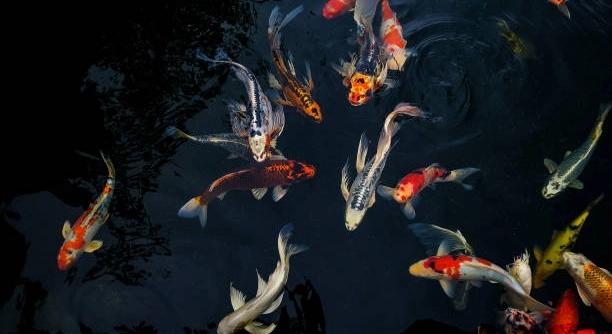
Do you ever find yourself adding new features to your koi pond but not sure if they truly help your fish thrive?
Adding floating plants to a koi pond offers multiple benefits including improved water quality, natural shade, enhanced aesthetics, and increased oxygenation. These plants also provide a natural food source and reduce algae growth.
Floating plants are more than just decorative—they play an important role in supporting a healthier environment for your koi.
Improves Water Quality Naturally
Floating plants help filter the water by absorbing excess nutrients like nitrates and phosphates, which often come from fish waste and uneaten food. These nutrients, if left unchecked, can fuel algae blooms and create poor living conditions for koi. The roots of floating plants take in these compounds, helping to balance the water chemistry in a gentle and natural way. This kind of plant-based filtration can lessen the need for frequent water changes or heavy mechanical filters. Over time, your pond becomes clearer and more stable, creating a cleaner, healthier place for your koi to swim.
By taking in harmful substances, these plants help limit algae growth and reduce cloudy water. This makes it easier to maintain a clean pond with fewer chemical treatments.
You may notice that your koi seem more active and vibrant in water that stays clearer and fresher. Healthier water often leads to healthier fish overall.
Offers Natural Shade and Shelter
Floating plants provide cover from the sun, helping to keep pond temperatures lower and more stable throughout the day.
Koi can become stressed in ponds that receive too much direct sunlight. Floating plants like water lettuce or frogbit create patches of shade that allow fish to escape the heat and feel secure. This not only helps regulate their body temperature but also offers shelter from birds and other potential threats. A shaded environment can also slow the growth of unwanted algae by blocking excess light. Since koi are more comfortable in stable, shaded environments, they often appear calmer and eat more consistently. Shaded ponds are also less prone to sudden temperature swings, which can be harmful. Floating plants act as a soft barrier between your koi and the changing conditions above the water, helping to maintain a more consistent and calming space for them.
Provides a Natural Food Source
Floating plants offer koi a soft, edible snack that’s easy for them to nibble on. Many koi enjoy eating roots and soft leaves, which adds variety to their diet without harming water quality.
Some floating plants, like duckweed and azolla, are high in protein and nutrients, making them a great supplemental food for koi. When koi graze on these plants, they’re not just filling up—they’re also getting essential vitamins and minerals. This grazing behavior also keeps koi active and engaged, which is important for their overall well-being. Because these plants grow quickly, they can replenish themselves naturally, helping you save money on commercial food. As long as you don’t overstock your pond, the balance between plant growth and koi feeding usually holds up well. It’s a simple way to keep both your fish and your pond environment healthier with less effort.
You may find your koi seem more satisfied and energetic when they have regular access to floating plants. It supports their natural feeding habits and cuts back on boredom. It also lowers the risk of overfeeding with processed pellets, which can cloud the water or cause health problems if used too heavily. With floating plants, everything stays in better balance.
Helps Control Algae Growth
Floating plants block sunlight from reaching the lower levels of your pond, which helps limit algae growth. With less sunlight, algae struggles to spread across surfaces or cloud the water.
Algae blooms often happen when ponds receive too much sunlight and nutrients build up in the water. Floating plants solve both issues at once. They reduce light by shading the surface and soak up extra nutrients through their roots. This starves the algae and gives your koi more room to move around without irritation. When algae levels go down, the water becomes clearer and easier to manage. Regular use of floating plants means you’ll spend less time scrubbing green sludge off rocks or worrying about foul smells. Your pond starts to feel more balanced without constant upkeep. While you might still need basic care like netting out dead leaves, the plants themselves are doing most of the work behind the scenes.
Adds Visual Appeal
Floating plants create a softer, more natural look in koi ponds. They break up empty water space and add texture with their unique shapes and colors.
Options like water hyacinths or salvinia add contrast and movement to the surface, making your pond feel more alive and well cared for.
Reduces Stress in Koi
Koi feel more secure when they have overhead cover. Floating plants give them places to hide when startled or threatened. This reduces stress and helps them stay healthier. With less stress, koi are less likely to get sick or behave aggressively.
Supports Breeding Behavior
Floating plants give koi a place to lay eggs safely. The roots and dense cover provide protection for eggs and fry, increasing their chances of survival.
What types of floating plants work best for koi ponds?
Several floating plants suit koi ponds well. Water lettuce, water hyacinth, duckweed, and frogbit are popular choices. These plants grow quickly, provide shade, and have roots that help filter the water. Make sure to pick plants that thrive in your climate and won’t overcrowd the pond.
How do floating plants affect oxygen levels in the pond?
Floating plants contribute positively by producing oxygen during the day through photosynthesis. However, because they cover part of the water’s surface, they can reduce gas exchange between air and water. Balancing the amount of floating plants helps maintain good oxygen levels, especially important for koi health.
Can floating plants take over my koi pond?
Yes, some floating plants grow rapidly and can cover the entire pond if left unchecked. Regular thinning or removal of excess plants is necessary to prevent overcrowding. This ensures light still reaches underwater plants and maintains oxygen levels.
Do floating plants require special care?
Generally, floating plants are low maintenance. They need enough sunlight, and some nutrient levels in the water to grow well. Removing dead or decaying plants helps keep the pond clean. Avoid over-fertilizing since excess nutrients can cause algae problems.
Will koi eat all floating plants?
Koi will nibble on many floating plants but usually don’t destroy them completely. They prefer softer leaves and roots but tend to leave sturdier plants alone. Providing a variety of plants gives koi options and prevents damage to the entire plant population.
How often should I thin floating plants?
Thinning depends on how fast the plants grow, but generally every few weeks during warmer months is helpful. This prevents plants from overcrowding the pond surface, which can block sunlight and lower oxygen.
Are floating plants safe for koi?
Yes, most floating plants are safe for koi and beneficial to their environment. Avoid plants treated with chemicals or pesticides, and introduce new plants slowly to monitor koi reactions.
Can floating plants help with pond temperature?
Floating plants provide shade, which cools the water and prevents temperature spikes during hot days. This stable temperature helps reduce stress on koi and supports better health.
Will floating plants affect my pond’s filtration system?
Floating plants can reduce the load on mechanical filters by naturally absorbing nutrients. However, excessive plant growth can clog filters or pumps, so balance is key. Regular maintenance ensures the filtration system works smoothly alongside plants.
How do I introduce floating plants to a new pond?
Start with a small amount to avoid sudden changes in water chemistry. Place plants gently on the water surface, ensuring they spread out evenly. Watch the pond for a few days to check water quality and koi behavior before adding more plants.
Can floating plants survive winter?
Some floating plants die back or go dormant in colder climates but often return in spring. Hardy species or indoor overwintering can help keep plants healthy year-round depending on your region.
Do floating plants attract pests?
Floating plants can attract insects like mosquitoes if the water is still. Good water circulation and occasional plant thinning reduce this risk. Beneficial insects and frogs may also use plants for shelter, adding balance to the pond ecosystem.
Is it necessary to fertilize floating plants?
Usually, ponds have enough nutrients to support floating plants without extra fertilizer. Over-fertilizing can cause algae blooms, so it’s better to let plants rely on natural nutrients from fish waste.
Can floating plants prevent fish diseases?
While floating plants don’t directly prevent diseases, they create a healthier environment by improving water quality and reducing stress. Healthy koi with good water conditions are less likely to get sick.
How do floating plants affect pond maintenance?
Floating plants reduce some maintenance tasks like algae control and water clarity improvement. However, they require occasional thinning and removal of dead material. This balance lowers overall maintenance while keeping the pond healthy.
What should I do if floating plants overgrow?
Remove excess plants manually or use a pond skimmer to keep growth in check. You can compost or give extra plants away to others. Keeping growth controlled maintains light, oxygen, and space for koi.
Can floating plants help reduce odors in the pond?
By absorbing nutrients and reducing algae, floating plants help prevent the buildup of decaying organic matter that causes odors. Cleaner water with less algae generally smells fresher.
Are floating plants compatible with other pond plants?
Yes, they work well alongside submerged and marginal plants. Floating plants provide shade and nutrient control, benefiting the entire pond ecosystem and supporting plant diversity.
Can floating plants be used in small koi ponds?
Yes, but be cautious not to overcrowd the limited space. Small ponds need careful management of plant growth to avoid reducing oxygen and light for fish and other plants.
What is the best way to control floating plant spread naturally?
Encouraging koi to nibble on plants, manually thinning, and balancing nutrient levels in the pond all help control growth without chemicals. A natural approach keeps your pond environment healthy and stable.
Adding floating plants to your koi pond can bring many positive changes. These plants help keep the water clean by absorbing extra nutrients and shading the pond. This reduces algae growth and creates a healthier place for your koi to live. Floating plants also add natural beauty to the pond’s surface, making the area more pleasant to look at. They offer koi a natural food source and shelter, which helps reduce their stress and supports their well-being. Overall, these plants contribute to a balanced and stable pond environment that benefits both the fish and the pond owner.
Taking care of floating plants is usually simple. They don’t require much special attention beyond occasional thinning to prevent overgrowth. When these plants grow too thick, they can block sunlight and reduce oxygen levels, so keeping their growth in check is important. Removing dead or decaying plants helps maintain good water quality. Floating plants also support the pond’s natural filtration system, reducing the need for chemical treatments or extra mechanical filtering. With basic maintenance, floating plants can stay healthy and continue helping your koi pond thrive throughout the seasons.
Choosing the right types of floating plants and managing them well will make a noticeable difference in your koi pond’s health and appearance. You will likely see your koi become more active and relaxed with the shade and shelter floating plants provide. The cleaner, clearer water is easier to maintain and creates a more enjoyable space. Whether you are just starting a koi pond or looking to improve an existing one, adding floating plants is a natural and effective way to support your fish and enhance the pond’s overall environment.

Hello,
If you enjoy the content that we create, please consider saying a "Thank You!" by leaving a tip.
Every little bit helps us continue crafting quality advice that supports the health, happiness, and well-being of pets around the world, for pets of all shapes, sizes, and species.
We really appreciate the kindness and support that you show us!