
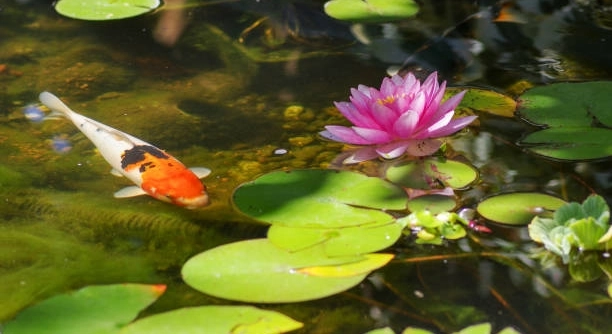
Koi fish show many behaviors that reflect their social structure. Observing these behaviors can help identify which koi are dominant. Recognizing dominance is important for maintaining harmony in your pond and ensuring all fish thrive.
Dominance in koi behavior is typically shown through aggressive interactions such as chasing, nipping, or asserting control over feeding areas. Dominant koi often occupy prime swimming spaces and display confident, bold movements compared to submissive individuals.
Understanding koi dominance helps maintain a balanced environment. This knowledge supports healthier fish interactions and reduces stress within your pond community.
Common Signs of Dominance in Koi Behavior
Dominant koi often display clear physical and behavioral traits that set them apart. These fish may chase others away from food or preferred resting spots. They tend to swim confidently near the surface or in the center of the pond, where they can control access to resources. You might notice dominant koi exhibiting head-down postures or flaring their fins to appear larger. Nipping at the fins or tails of other koi is another sign of asserting dominance. These behaviors establish a hierarchy, which can reduce overall aggression once roles are clear. It is important to observe koi regularly to detect any changes, as shifts in dominance can affect pond harmony. Recognizing these patterns early helps in managing koi health and wellbeing.
Dominance can also be seen in how koi respond to feeding times, with dominant individuals often eating first and consuming more food.
Maintaining a balanced environment reduces conflict. Providing ample space and multiple feeding spots helps limit aggressive behaviors. Separating overly aggressive fish may sometimes be necessary to protect more submissive koi. Regular monitoring is essential to keep the social order stable and minimize stress for all pond inhabitants.
Impact of Dominance on Koi Health
Dominant behavior affects not only social structure but also koi health. Aggressive interactions can lead to injuries such as torn fins or skin abrasions, which increase the risk of infection. Stress caused by constant harassment lowers the immune system, making submissive koi more susceptible to illness. In some cases, dominant koi may monopolize food, leaving others undernourished. This imbalance can weaken the entire group over time. Understanding the influence of dominance is crucial for proper pond management. Steps should be taken to minimize prolonged conflicts and ensure all koi have access to adequate nutrition. Monitoring water quality and maintaining a clean habitat also support koi health and reduce stress-related issues caused by social dominance.
When aggression is frequent, introducing physical barriers or rearranging the pond layout can help reduce tension. Such adjustments encourage more peaceful interactions and protect vulnerable fish. Creating multiple feeding stations allows subordinate koi to eat without interference, supporting their growth and recovery. Observing behavior patterns provides insight into social dynamics and helps identify when intervention is needed.
Balancing koi dominance benefits the entire pond ecosystem, promoting healthier and more vibrant fish over time.
How to Manage Dominant Koi
Managing dominant koi requires careful observation and action to maintain pond balance. Providing enough space and hiding spots helps reduce aggressive encounters. Feeding multiple areas in the pond prevents food guarding and allows submissive koi to eat peacefully.
Adjusting the pond environment is essential for controlling dominance issues. Adding plants or decorations creates barriers that break direct lines of sight, calming aggressive behavior. Avoid overcrowding, as it increases stress and competition. Regularly monitor koi interactions to detect changes in dominance and intervene when needed. If one fish becomes overly aggressive, temporary separation may be necessary to restore harmony. Proper management promotes healthier, less stressed koi and a more stable social hierarchy in the pond.
Feeding strategies also help reduce conflicts. Offering food in various locations ensures all koi can access nourishment without competition. Consistent water quality and nutrition support the fish’s overall wellbeing, making them less prone to stress-driven aggression. Maintaining these practices creates a more peaceful and enjoyable pond environment.
Behavioral Changes Indicating Shifts in Dominance
Changes in koi behavior often signal a shift in dominance status within the group. A once submissive fish may begin showing more confident movements or initiate chases, indicating a rise in rank. Conversely, previously dominant koi might withdraw or reduce aggression, signaling a loss of status.
Such shifts may occur due to aging, illness, or changes in the pond environment. New fish introductions can also disrupt the social order, leading to temporary instability. Monitoring these changes is important to prevent prolonged stress or injury. Adjusting the environment or separating aggressive koi can help maintain peace.
Understanding these behavior shifts is critical for effective pond management. It helps identify problems early and supports timely interventions. Maintaining a stable social structure promotes koi health and longevity.
Signs of Stress Related to Dominance
Stress in koi caused by dominance often appears as changes in behavior or appearance. Fish may hide more, lose appetite, or show signs of lethargy. Physical symptoms like faded color or damaged fins can also indicate stress.
Ignoring these signs can lead to serious health problems. It is important to recognize and address stress early to protect the wellbeing of all koi in the pond.
Creating a Balanced Pond Environment
A balanced pond environment reduces dominance struggles by providing enough space, hiding spots, and multiple feeding areas. Proper water quality and regular maintenance further support healthy koi behavior and minimize stress.
Feeding Tips to Reduce Aggression
Feeding koi at different spots and times helps prevent dominant fish from controlling access to food, allowing all fish to eat without conflict.
Monitoring Behavior Regularly
Regular observation of koi behavior helps catch dominance or stress issues early, allowing timely management to maintain pond harmony.
FAQ
How can I tell if my koi is dominant?
Dominant koi usually show confident and assertive behavior. They may chase other fish away from feeding areas or preferred swimming spots. These koi often swim near the surface or in the center of the pond, where they can easily control space and resources. You might notice them flaring their fins, nipping at others, or taking the first bite during feeding time. Watching these patterns consistently can help you identify which koi holds dominance in your pond.
Is dominance harmful to koi?
Dominance itself is a natural behavior that helps establish social order, but it can become harmful if aggressive acts lead to injuries or stress. Constant chasing, nipping, or food guarding can damage fins and skin, increasing the risk of infections. Stress from being bullied weakens koi immune systems, making them prone to illness. Proper management is essential to balance dominance and reduce negative effects.
Can dominance change over time?
Yes, koi dominance can shift due to factors like aging, health changes, or the introduction of new fish. A younger koi may challenge and replace an older dominant fish. Illness or injury can reduce a koi’s ability to maintain dominance. New additions to the pond can also disrupt the existing social order, causing temporary instability until roles are reestablished.
What should I do if a koi is too aggressive?
If a koi becomes overly aggressive, consider increasing pond space or adding hiding spots to reduce direct contact. Feeding in multiple locations can prevent food guarding. In some cases, temporarily separating the aggressive fish may be necessary to protect others. Regular monitoring and environmental adjustments help control aggression without causing long-term harm.
How can I reduce stress in submissive koi?
To reduce stress, ensure submissive koi have access to food away from dominant individuals by feeding at multiple spots. Adding plants or decorations creates hiding places where they can retreat safely. Keeping water quality high and maintaining a calm environment also helps reduce stress levels. Observing fish behavior regularly allows quick response to any signs of distress.
Does overcrowding increase dominance issues?
Overcrowding increases competition for resources, leading to heightened aggression and dominance disputes. More koi in a limited space means less room to escape or avoid confrontations. Providing enough space for each fish and avoiding overcrowding is crucial for reducing stress and keeping social hierarchies stable.
Are some koi breeds more dominant?
Certain koi breeds can display more dominant behavior due to size, temperament, or activity levels. Larger or more assertive koi often take higher ranks in the social order. However, dominance depends more on individual personality and pond conditions than breed alone. Observing your koi’s behavior over time is the best way to understand dominance patterns.
How often should I observe my koi for dominance behavior?
Regular observation is key, ideally daily or several times a week, especially during feeding. Look for signs like chasing, nipping, or which fish eat first. Early detection of changes allows timely intervention to maintain balance. Keeping a log of behavior changes can help track shifts in dominance or stress levels.
Can dominance cause koi to stop eating?
Submissive koi may avoid eating if dominant fish aggressively guard food. This can lead to malnutrition and weaken the fish over time. Providing multiple feeding spots and feeding smaller amounts frequently helps ensure all koi receive enough food without confrontation.
Is it necessary to separate dominant koi permanently?
Permanent separation is rarely needed unless aggression is severe and persistent. Most dominance issues can be managed with environmental changes like adding space, hiding spots, and multiple feeding areas. Temporary separation is sometimes used to break aggressive cycles and allow fish to calm down before reintroduction.
What environmental changes help control dominance?
Adding plants, rocks, or decorations creates barriers and hiding places that reduce direct contact. Increasing pond size and providing multiple feeding stations also help lower aggression. Maintaining clean water and stable conditions reduces stress, making koi less likely to display aggressive dominance behavior.
How does water quality affect koi behavior?
Poor water quality stresses koi, making them more aggressive or withdrawn. High ammonia or nitrite levels, improper pH, or low oxygen can lead to health problems and increased conflict. Maintaining good filtration, regular water changes, and balanced water chemistry supports calmer, healthier koi.
Can feeding schedule influence dominance?
Feeding koi several small meals instead of one large meal can reduce food competition. Spreading food around the pond prevents dominant fish from controlling one spot and allows all koi to eat comfortably. Consistent feeding times also create routine, reducing stress and aggression.
How do I know when to intervene in koi dominance?
Intervene when aggressive behavior causes injury, persistent stress, or prevents fish from feeding properly. Signs include torn fins, constant chasing, or withdrawn koi hiding excessively. Early intervention prevents long-term health issues and maintains a peaceful pond environment.
Are dominant koi healthier than submissive ones?
Dominant koi are not necessarily healthier. Aggression can be stressful for all fish. Submissive koi may suffer from poor nutrition or stress-related illness if dominance is unchecked. Balanced social structure supports health for the entire group, not just the dominant individuals.
Final Thoughts
Recognizing dominance in koi behavior is an important part of maintaining a healthy pond. Dominance naturally occurs as koi establish social order, but when it leads to aggression or stress, it can affect the wellbeing of the entire group. Observing how koi interact, including chasing, nipping, or food guarding, provides valuable insight into their social structure. Early identification of dominant behavior allows for timely adjustments that help maintain peace. This awareness supports the overall health and longevity of the fish, reducing risks of injury or illness caused by stress.
Managing dominance requires practical steps such as providing enough space, adding hiding spots, and feeding in multiple locations. These measures help reduce conflicts by giving submissive fish places to retreat and access to food without competition. Regular pond maintenance and monitoring water quality also play a significant role in keeping koi calm and healthy. Environmental balance encourages less aggressive behavior and supports a stable social hierarchy. Making these adjustments is essential for creating a comfortable environment where all koi can thrive.
It is important to remember that dominance is a natural and changing aspect of koi behavior. Social ranks can shift over time due to factors like age, health, or new fish introductions. Monitoring koi regularly helps detect these changes early and allows for quick responses to prevent prolonged stress or aggression. Taking a proactive approach to managing dominance promotes a peaceful pond atmosphere. This care ensures that koi continue to live in a balanced, safe environment that supports their wellbeing over the long term.

Hello,
If you enjoy the content that we create, please consider saying a "Thank You!" by leaving a tip.
Every little bit helps us continue crafting quality advice that supports the health, happiness, and well-being of pets around the world, for pets of all shapes, sizes, and species.
We really appreciate the kindness and support that you show us!