
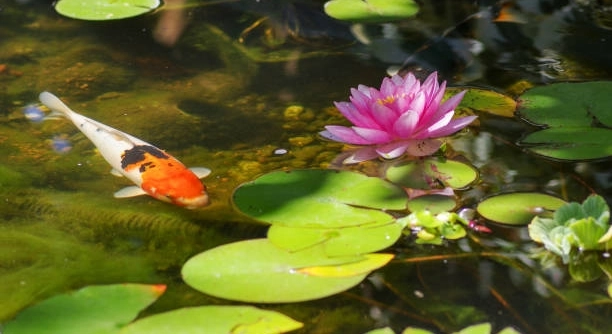
Are your koi acting strangely and steering clear of certain parts of your pond? It can be concerning and hard to understand. These patterns often point to something going on beneath the surface that needs attention.
Koi tend to avoid specific pond areas due to factors such as water temperature, oxygen levels, strong currents, predators, or poor water quality. Each of these issues can affect their comfort, safety, and overall health.
Knowing what causes this behavior can help you make the pond safer and more comfortable for your koi.
Poor Water Quality
Koi are sensitive to changes in water quality, and even small imbalances can cause them to avoid certain areas. If ammonia or nitrite levels are elevated in specific parts of the pond, the fish may instinctively stay away to protect themselves. Uneven filtration or areas with less circulation can lead to stagnant zones where debris builds up, making the environment uncomfortable or even unsafe. Regular testing helps identify these problem spots, and improving filtration or adding air stones can help. Maintaining consistent water parameters throughout the pond encourages koi to move freely and stay healthy.
Watch for cloudy water, unpleasant odors, or debris collecting in one spot—these are signs something might be off in that area.
If you’re using a pond filter, make sure it’s sized appropriately for the pond volume and koi load. Partial water changes, especially in warmer months, help reduce waste buildup and stabilize pH levels. Adding aquatic plants can also support better water balance by absorbing excess nutrients. Keep an eye on areas with low circulation or that are shaded for long periods—these zones are often where water quality drops first. With a few small adjustments, you can restore balance and make the entire pond a safer space for your koi.
Uncomfortable Temperatures
Some pond zones can become too warm or too cold, especially during seasonal changes or heat waves. Koi naturally move toward areas where temperatures feel most comfortable and stable.
Water temperature isn’t always uniform across a pond. Shallow areas warm up quickly, while deeper zones stay cooler. If part of the pond is overly exposed to the sun without any shade or vegetation, it can become too hot during midday hours. On the other hand, shaded or deeply buried sections may stay too cool, especially in cooler months. Adding floating plants or installing pond shades can help reduce overheating. During colder seasons, consider using a pond heater or adding insulation around vulnerable edges. Monitor temperature at various depths and times of day to spot fluctuations. If koi keep returning to a specific zone, it might be the most temperature-balanced area. Adjustments like shifting plant cover or improving aeration can make the temperature more even and help koi feel comfortable throughout the pond.
Strong Water Currents
Koi usually avoid areas with strong water currents because these can make swimming difficult and stressful. If your pump or waterfall creates too much force in one direction, it can push koi away from those sections of the pond.
Currents can also interfere with feeding and rest. Koi prefer calm, slow-moving water for their everyday routines. If they’re constantly swimming against a current, they may get tired or even injured. Check the direction and strength of your pond’s pump or waterfall. Redirecting flow or adding boulders, plants, or barriers can help create gentler zones. Spread out water features to balance the current more evenly. Adjust the angle of the pump return or use splitters to reduce concentrated flow. With more stable water movement, koi will feel safer and more relaxed in those areas.
Even if you like the sound of a strong waterfall, your koi may not enjoy the result. High-velocity water can strip oxygen from a certain area and cause surface agitation that affects visibility. When koi can’t rest or explore without resistance, they’ll gravitate elsewhere. Use soft-edged features like lily pads, floating plants, or strategically placed rocks to create calm zones. Aim for a natural flow pattern that mimics gentle streams rather than powerful jets. This keeps the environment peaceful and inviting.
Predator Presence
Koi are smart enough to sense when danger may be near, and they will actively avoid parts of the pond where they’ve felt threatened. Birds, raccoons, and even cats can make koi uneasy, especially in exposed areas.
If you’ve noticed koi hiding or staying away from certain pond edges, they may associate those areas with predators. Shallow zones are especially risky, as they give predators easy access and leave fish with fewer escape options. Install pond netting or motion-activated sprinklers to keep animals away. Adding deeper zones, underwater hiding spots, or floating cover like water lettuce gives koi better protection. It’s also helpful to place tall plants or rocks along the pond perimeter to block direct access. Some koi may need time to feel safe again, even after the predator is gone. Consistent protection and cover can help them regain confidence and explore the pond freely.
Poor Oxygen Levels
Koi tend to avoid areas where oxygen is low. These spots often occur in warm, still parts of the pond or zones with heavy waste buildup. You may notice koi gasping or gathering near better-aerated regions.
Adding air stones, increasing water circulation, or including oxygenating plants can help. Test oxygen levels regularly, especially in hot weather when levels drop faster.
Sharp or Rough Surfaces
If koi avoid a section, it might contain sharp rocks or rough edges. These can injure their fins or bodies during normal swimming or feeding.
Use smooth materials around the pond and check for any hidden snags. Even one scrape can make them avoid that space entirely.
Noise or Vibrations
Loud noises or constant vibrations near the pond can stress koi and cause them to steer clear of certain areas. This includes pumps, traffic, or even construction.
Try to reduce nearby disturbances or add sound barriers like plants or fencing. A calmer environment helps keep koi relaxed.
FAQ
Why do koi sometimes stay in one area of the pond?
Koi tend to stay in one area of the pond if it feels safe, comfortable, and has enough oxygen. They’re sensitive to changes in their surroundings and will naturally avoid spots that are too noisy, too warm, poorly oxygenated, or exposed to predators. Sometimes they group near the filter or aerator where the water feels fresher and cooler. Other times, it’s because they’re resting or avoiding stress from too much activity in other areas. If the pond’s layout gives them a quiet corner or an area with plant cover, they may stay there longer just to feel secure.
Do koi avoid shallow water?
Koi will often avoid shallow areas, especially if those parts are too warm or feel unsafe. Shallow water can heat up quickly, and predators like birds or raccoons have easier access to the fish in these spots. While koi sometimes use shallow zones for feeding, they’ll quickly swim away if they sense danger or discomfort. Adding floating plants or underwater hiding spots can help make shallow areas feel safer. You can also design the pond so shallow zones transition smoothly into deeper areas, giving koi an easy escape route if needed.
Can koi sense poor water quality in certain areas?
Yes, koi can sense poor water conditions. If a part of your pond has trapped debris, high ammonia levels, or low oxygen, koi will avoid it. Their behavior is a useful sign for you to test that section of the pond. These spots usually form where water doesn’t circulate well. Clean out settled waste and check if your filtration system is reaching that part of the pond. Improving circulation and aeration often makes koi more willing to explore the area again.
What should I do if koi never go near the waterfall?
Koi tend to avoid areas near a strong waterfall because the water pressure and current can be too intense. It can also create loud noise and surface disturbance, which may feel stressful to them. To make the waterfall area more inviting, try softening the flow or adding plants and rocks to break up the current. If you can, adjust the waterfall design to reduce splash and turbulence. Also, place smooth rocks or calm eddies near the base so koi have a place to rest if they choose to approach.
Are koi scared of certain colors or objects in the pond?
Koi are curious but can be cautious around unfamiliar objects, especially if they have sharp contrasts or reflect light in strange ways. Shiny pond decorations, floating equipment, or even bright-colored netting can make them uncomfortable. Some koi may take time to adjust, while others may never get used to certain features. Keep your pond setup simple and natural, especially in areas you want them to visit. Choose rocks, plants, and materials that blend into the environment and don’t reflect or create sharp contrasts under the water.
Why do koi hide and not come out even during feeding time?
If koi are hiding all the time—even when food is offered—it’s a sign they’re stressed. This could be from poor water quality, recent changes in the pond, predator threats, or illness. First, test the water and look for anything unusual. Then check for signs of injury or illness in the fish. If everything looks fine, try creating a more secure feeding space with plant cover or overhangs so they feel protected. Koi are naturally cautious, and building trust again can take a few days. Once they feel safe, they’ll return to their normal routines.
Can other animals in the pond make koi avoid an area?
Yes, koi might avoid certain areas if other animals are bothering them. This could be turtles, aggressive fish, or even too many snails or frogs. If the other species are crowding or chasing the koi, they’ll move away to find quieter zones. Always research compatibility before adding new creatures to your pond. If a new animal causes problems, you may need to rehome it or separate it with a barrier. A peaceful, balanced pond makes all fish more active and comfortable across the space.
How do I encourage koi to use more of the pond?
To encourage koi to use more of the pond, make sure every section feels safe and inviting. Balance water flow, add shelter like plants or rock overhangs, and check for water quality throughout. Avoid overly bright lighting or sudden loud sounds near certain areas. Spread out feeding locations to gently encourage exploration. Sometimes just giving koi time to get used to new elements helps. They’re naturally curious and will begin to roam again once they feel relaxed and secure.
Final Thoughts
Koi are sensitive fish that respond strongly to changes in their pond environment. When they avoid certain areas, it’s often because something in those spots makes them uncomfortable. It could be water quality, temperature, noise, current, or even how safe they feel from predators. These changes may seem small to us, but koi notice them right away. They’re naturally cautious and will always choose the areas that feel best to them. Watching where they go—and where they stay away from—can give you helpful clues about what’s going on in your pond.
A balanced pond with proper depth, good filtration, steady aeration, and shaded spaces will help koi feel comfortable across all areas. If you notice your koi crowding into one section or ignoring another, take a closer look at what might be causing the problem. Sometimes it’s as simple as debris building up or the sun hitting one side too hard. Other times, the issue could be low oxygen or an overly strong current. It helps to test the water in different spots and adjust things gradually. Small changes, like redirecting water flow or adding floating plants, can make a big difference.
The more comfortable your koi feel, the more natural and active their behavior will be. When they explore every part of the pond, it means the environment is working well for them. That’s why it’s important to notice their patterns and respond with thoughtful care. Koi will always show you what they need—through movement, feeding habits, or quiet behavior. By making the pond a calm and balanced space, you give them what they need to thrive. Over time, you’ll find that keeping your koi happy is mostly about staying observant and making small changes that protect their comfort and safety.

Hello,
If you enjoy the content that we create, please consider saying a "Thank You!" by leaving a tip.
Every little bit helps us continue crafting quality advice that supports the health, happiness, and well-being of pets around the world, for pets of all shapes, sizes, and species.
We really appreciate the kindness and support that you show us!