
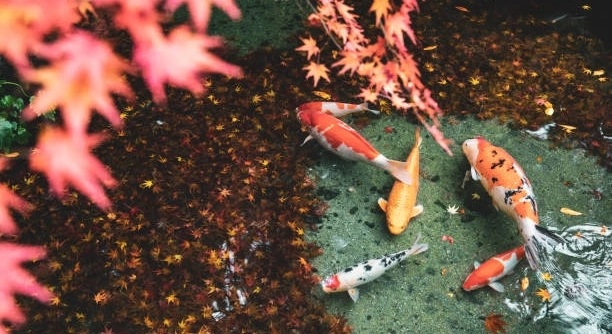
Koi fish are beautiful and peaceful creatures that many people enjoy keeping in their ponds. Sometimes, they face sudden temperature changes that can affect their health. Knowing how to spot these changes early helps koi owners protect their fish.
Cold shock in koi fish occurs when there is a rapid drop in water temperature, causing stress and physical symptoms. These include lethargy, loss of appetite, clamped fins, and erratic swimming. Recognizing these signs quickly is essential to prevent severe health problems.
Learning to identify cold shock symptoms will help you care for your koi better and keep them healthy throughout seasonal changes. Understanding the signs can make a real difference in their wellbeing.
What Causes Cold Shock in Koi Fish
Cold shock happens when the water temperature drops suddenly, sometimes by more than 10 degrees Fahrenheit in a short period. This can occur during late fall or early spring when nights are cold, but the sun warms the water during the day. If the temperature shifts too fast, koi fish don’t have time to adjust, which stresses their bodies. Poor pond insulation, shallow water, and exposure to cold wind can make these changes worse. Sometimes, adding cold water from a hose or heavy rain can also cause a sudden drop. When the water cools quickly, koi metabolism slows down, affecting their immune system and making them vulnerable to illness. This stress can lead to serious problems like infections or even death if not managed properly. Keeping an eye on temperature changes and pond conditions can help prevent cold shock before it harms your fish.
Cold shock is more common in outdoor ponds without stable water temperatures, especially in regions with rapid seasonal changes.
Monitoring temperature and taking steps to stabilize the pond environment is key to protecting your koi fish.
How to Spot Cold Shock Symptoms Early
Lethargy and lack of appetite are often the first signs that your koi are experiencing cold shock. They may stop swimming actively and stay near the bottom or surface, appearing weak or sluggish. Their fins might clamp close to their bodies, and you may notice irregular or erratic swimming patterns. Sometimes, koi will gasp at the surface, indicating trouble breathing. Their colors might also dull temporarily. These symptoms show that the fish are struggling to cope with sudden temperature changes. Acting quickly when you notice these signs can help prevent long-term damage and improve their chances of recovery. Observing your koi daily during cold periods allows you to catch early warning signs and respond appropriately to keep them healthy. Regular monitoring is the best defense against cold shock complications.
Preventing Cold Shock in Koi Fish
Keeping water temperature stable is the best way to prevent cold shock. Use pond heaters or floating de-icers during cold months to avoid sudden temperature drops. Adding plants or pond covers can also reduce temperature swings by shielding the water from wind and sun.
Regularly check the pond temperature with a reliable thermometer, especially during seasonal transitions. Gradually change water when doing partial water changes, avoiding cold water additions that shock the fish. Providing deeper areas in the pond allows koi to find warmer spots naturally. These steps help maintain a stable environment and reduce stress on your koi.
Proper pond maintenance also plays a role. Clean filters regularly to keep water quality high, as poor water conditions combined with cold stress can harm your fish more. Aeration helps maintain oxygen levels when water cools down, supporting koi health during colder periods.
Treating Cold Shock in Koi Fish
If koi show signs of cold shock, start by improving water conditions immediately. Gently raise the water temperature using a heater, but increase it slowly to avoid further stress. Make sure the water stays clean and oxygenated to support recovery. Avoid feeding until koi regain appetite, then offer light, easy-to-digest food.
Observe your fish closely for several days. If symptoms worsen, consider consulting a vet who specializes in fish health. Medications might be needed if infections develop after cold shock. Providing a calm, stable environment with minimal disturbances helps koi regain strength faster and reduces the risk of long-term damage.
Common Mistakes When Handling Cold Shock
Rushing to warm the water too quickly can harm koi more than help. Sudden temperature changes add extra stress. Avoid feeding your fish during shock, as their digestion slows and they may not process food well.
Ignoring water quality is another mistake. Cold shock weakens koi, making them more vulnerable to poor conditions like low oxygen or high ammonia levels. Keeping water clean supports healing.
Adjusting Pond Environment for Seasonal Changes
Gradually prepare your pond for temperature changes by adding shade in summer and insulation in winter. Using floating plants helps regulate temperature naturally. Consider installing a pond heater or aerator to maintain steady conditions during cold months. Small adjustments can make a big difference for your koi’s comfort and health.
Signs That Require Expert Help
If your koi’s behavior worsens or symptoms persist for more than a week, it’s important to consult a specialist. Prolonged stress can lead to infections needing professional treatment. Early expert advice improves recovery chances and prevents permanent damage.
FAQ
How quickly does cold shock affect koi fish?
Cold shock can affect koi fish within minutes to hours after a sudden drop in water temperature. The fish’s metabolism slows down rapidly, causing stress and physical symptoms like lethargy and clamped fins. Early detection is important to help them recover.
Can koi recover fully from cold shock?
Yes, koi can recover fully if cold shock is caught early and treated properly. Stabilizing water temperature, improving water quality, and avoiding feeding during recovery all support healing. However, prolonged or severe cold shock may cause lasting damage or increase susceptibility to disease.
What temperature range is safe for koi fish?
Koi fish generally thrive between 59°F and 77°F (15°C to 25°C). Temperatures below 50°F (10°C) can cause stress, especially if they drop suddenly. Keeping the pond stable within this range reduces the risk of cold shock.
Is it okay to feed koi during cold weather?
Feeding koi during cold weather should be limited or stopped when water temperatures fall below 50°F (10°C). Their digestion slows, so food may not be properly processed, which can cause health problems. Resume feeding lightly once they become active again.
How can I tell if my koi are stressed besides cold shock?
Signs of stress in koi include erratic swimming, hiding, clamped fins, faded colors, and loss of appetite. Stress can come from poor water quality, overcrowding, or sudden environmental changes. Regular observation helps catch stress early.
Can adding warm water help koi after cold shock?
Adding warm water too quickly can worsen stress. It’s better to raise the pond temperature gradually using a pond heater or aerator. Slow adjustments allow koi to adapt without further shock.
Are there natural ways to prevent cold shock?
Yes, planting floating plants or adding a pond cover can help regulate temperature naturally by reducing wind and sunlight exposure. Providing deeper pond areas allows koi to find warmer spots. These methods support a more stable environment.
What are the risks of not treating cold shock?
If cold shock is not treated, koi may suffer weakened immune systems, leading to infections or diseases like bacterial or fungal problems. In severe cases, cold shock can cause death. Early action is crucial to avoid these outcomes.
Can cold shock cause long-term damage to koi?
Severe or repeated cold shock can cause lasting damage to koi’s internal organs or immune system, reducing their lifespan and ability to fight infections. Preventing cold shock and managing pond conditions helps avoid long-term issues.
How often should I check my pond’s temperature?
During cold seasons or sudden weather changes, checking your pond’s temperature daily is recommended. In stable conditions, monitoring every few days is sufficient. Frequent checks help detect rapid changes before they harm your koi.
What equipment helps maintain stable pond temperatures?
Pond heaters, floating de-icers, and aerators are effective tools. Heaters prevent freezing and raise temperatures gradually. Aerators keep oxygen levels stable, which supports koi health in colder water. Choosing the right equipment depends on your pond size and climate.
Can stress from cold shock lead to other health problems?
Yes, stress from cold shock weakens koi immune systems, making them more prone to parasites, bacterial infections, and fungal diseases. Maintaining good water quality and a stable environment reduces these risks.
How should I treat koi with visible infections after cold shock?
If infections appear, consult a vet or aquatic specialist. They may recommend medications like antibiotics or antifungal treatments. Always isolate infected fish if possible to prevent spreading. Continue to maintain clean water and optimal conditions during treatment.
Is cold shock a common problem for indoor koi ponds?
Cold shock is less common in indoor ponds because temperature changes are usually controlled. However, power outages or heater failures can still cause sudden drops. Monitoring and backup heating systems help prevent issues indoors.
Can koi fish die from cold shock instantly?
Instant death from cold shock is rare but possible in extreme cases where temperatures drop very fast or reach near freezing. More often, koi suffer from gradual stress and health decline, which can lead to death if untreated.
Are certain koi breeds more sensitive to cold shock?
Some koi varieties may be more sensitive due to genetics or size, but most koi have similar temperature tolerance. Younger or smaller koi can be more vulnerable because their bodies adjust slower to temperature changes.
How do I acclimate new koi to my pond during cold seasons?
Acclimate new koi slowly by floating their transport bags in the pond water to equalize temperature. Gradually mix pond water into their container over 20-30 minutes before release. This reduces shock from sudden temperature or water chemistry changes.
What role does oxygen play during cold shock?
Oxygen levels drop in cold water, making it harder for koi to breathe. Cold shock stresses their metabolism, increasing oxygen demand. Aerators or fountains help maintain oxygen, supporting fish health during cold spells.
Can I prevent cold shock by keeping koi indoors in winter?
Keeping koi indoors in tanks or heated ponds helps control temperature and prevents cold shock. This method requires proper filtration, aeration, and space. Indoor care can be costly but provides stable conditions during extreme weather.
Should I quarantine koi after cold shock?
Quarantining koi after cold shock is recommended if you notice infections or signs of illness. It prevents spreading diseases to healthy fish and allows focused treatment. Always observe quarantined fish closely for any changes.
Final Thoughts
Cold shock is a serious condition that koi fish can face when water temperatures drop suddenly. It can happen quickly and stress your fish in ways that might not be easy to see at first. Understanding what causes cold shock and how to recognize its symptoms is important for anyone who cares for koi. By paying attention to your pond’s temperature and how your fish behave, you can catch problems early and take steps to help your koi stay healthy. Early action often makes the difference between a quick recovery and long-term health issues.
Preventing cold shock is often simpler than treating it. Taking steps to keep your pond’s temperature stable, like using pond heaters or adding plants for shade and wind protection, can protect your koi from sudden changes. Keeping the pond clean and well-aerated also supports your fish’s health during cold times. When you do see signs of cold shock, such as slow movement or clamped fins, respond calmly by slowly warming the water and avoiding feeding until your fish show signs of recovery. These small but consistent actions help reduce stress and support healing.
Caring for koi fish means being ready to manage challenges like cold shock throughout the year. Regularly checking water temperature, maintaining good water quality, and observing your fish closely can prevent many problems before they start. If you ever notice symptoms that don’t improve, seeking advice from a fish health expert is important. With attention and care, koi can live long, healthy lives even when the seasons change. Being prepared and informed allows you to protect these beautiful fish and enjoy your pond with confidence.

Hello,
If you enjoy the content that we create, please consider saying a "Thank You!" by leaving a tip.
Every little bit helps us continue crafting quality advice that supports the health, happiness, and well-being of pets around the world, for pets of all shapes, sizes, and species.
We really appreciate the kindness and support that you show us!