
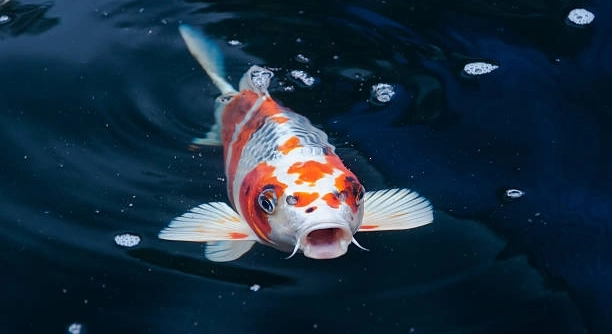
Ponds add beauty and tranquility to any outdoor space. Maintaining them properly is important to keep the water clear and the ecosystem healthy. Poor pond maintenance can lead to a range of issues affecting both appearance and wildlife.
Poor pond maintenance often results in problems such as algae overgrowth, water quality decline, unpleasant odors, clogged filters, pest infestations, fish health issues, and structural damage. These complications reduce the pond’s ecological balance and aesthetic value.
Addressing these problems early can save time and costs while preserving a healthy pond environment for plants and animals. Understanding the common issues linked to poor upkeep helps improve pond care practices.
Algae Overgrowth and Water Quality Decline
Algae growth is one of the most common problems in poorly maintained ponds. When nutrients like nitrogen and phosphorus build up, algae multiply quickly, turning the water green and murky. This affects the pond’s appearance and limits sunlight from reaching aquatic plants below the surface. Overgrown algae also consume oxygen in the water, which can harm fish and other wildlife. Poor water circulation and infrequent cleaning often make this issue worse. Debris such as leaves and uneaten fish food add to the nutrient overload, accelerating algae blooms. Maintaining proper filtration, regularly removing debris, and controlling nutrient input are essential to prevent algae problems. Testing water quality and adjusting pond care routines help keep the balance. Proper aeration supports oxygen levels, improving conditions for fish and beneficial plants. Without these efforts, algae can take over, disrupting the entire ecosystem.
Algae overgrowth directly lowers oxygen levels, affecting fish health and pond clarity.
A well-maintained pond requires regular water testing to monitor nutrient levels. Using aquatic plants that compete with algae for nutrients can reduce algae blooms. Installing a quality filtration system helps remove excess nutrients and debris. Aeration devices improve water circulation, discouraging stagnant zones where algae thrive. Avoid overfeeding fish to minimize nutrient waste. These measures create a stable environment, preventing algae from dominating. Consistent care prevents the unpleasant appearance and negative effects caused by algae overgrowth.
Pest Infestations and Fish Health Issues
Pests such as mosquitoes and pond snails often increase in ponds with poor maintenance. Stagnant water and excess organic matter provide ideal breeding grounds. Mosquito larvae develop in still water, posing a nuisance and health risk. Snails multiply rapidly and can damage aquatic plants by feeding on leaves and stems. Fish health also suffers in poorly maintained ponds. Low oxygen, high ammonia, and poor water quality stress fish, making them vulnerable to disease. Dead fish may appear due to these harsh conditions. Regular cleaning and aeration limit pest habitats and maintain water quality. Introducing natural predators like dragonflies or certain fish species can help control pests. Maintaining proper fish stocking levels avoids overcrowding, reducing stress and disease spread. A balanced pond ecosystem supports healthier fish and fewer pests.
Pest infestations and poor water quality directly threaten fish survival and overall pond health.
Managing pests requires removing stagnant water and debris that serve as breeding sites. Biological control methods, such as adding predatory insects or fish, reduce pest populations naturally. Chemical treatments should be used cautiously to avoid harming beneficial organisms. Regularly monitoring fish behavior and water parameters helps detect problems early. Feeding fish properly and maintaining balanced populations reduce stress and disease risk. Consistent pond maintenance keeps pest numbers low and fish thriving. A healthy pond environment depends on controlling pests and ensuring good water conditions.
Unpleasant Odors and Clogged Filters
Unpleasant odors often develop when organic debris decomposes in the pond. This process releases gases that cause a foul smell. Clogged filters worsen the issue by reducing water flow and limiting filtration efficiency.
Filters trap dirt and debris to keep pond water clean. When they clog, water circulation slows, allowing waste to build up. This accumulation leads to poor water quality and unpleasant smells. Regular cleaning of filters and removing excess debris from the pond helps maintain water clarity and reduces odors. Neglecting filter maintenance causes strain on pond equipment and creates an unhealthy environment for aquatic life. Proper upkeep extends filter life and supports a balanced ecosystem.
Cleaning filters frequently prevents clogging and improves water flow. Using a pre-filter or netting reduces large debris entering the system. Combining mechanical filtration with biological filtration encourages beneficial bacteria growth, breaking down organic waste. These bacteria help reduce odors by processing harmful substances. Consistent maintenance and monitoring of filter performance keep the pond fresh and healthy. This approach minimizes unpleasant smells and protects fish and plants from poor water conditions.
Structural Damage and Ecosystem Imbalance
Structural damage to ponds can occur when maintenance is neglected. Cracks, leaks, or worn liners may develop, causing water loss and instability. Ignoring these issues leads to costly repairs and affects the pond’s overall function.
A well-maintained pond requires inspection of edges, liners, and pumps. Fixing small problems early prevents more significant damage. Water level fluctuations due to leaks disrupt aquatic life and reduce oxygen availability. Plants and animals depend on stable conditions to thrive. Structural damage also allows unwanted sediments and pollutants to enter the pond, worsening water quality. Proper care protects pond infrastructure and supports a healthy ecosystem.
Maintaining the pond structure is essential for long-term stability and ecological balance. Regular checks help identify early signs of damage. Prompt repairs preserve water levels and prevent habitat loss. Protecting liners from UV exposure and physical damage extends their lifespan. Monitoring pump operation ensures effective water circulation and filtration. Together, these actions maintain a resilient pond environment for plants and wildlife. Prioritizing structural health supports overall pond longevity and sustainability.
Excess Nutrients and Plant Overgrowth
Excess nutrients in pond water come from fish waste, decaying plants, and runoff. These nutrients fuel unwanted plant growth that can overwhelm the pond.
Too many aquatic plants reduce oxygen levels and block sunlight from reaching other organisms. Proper nutrient management helps control plant growth and maintains pond balance.
Fish Stress and Disease
Fish in poorly maintained ponds face stress from low oxygen, high ammonia, and fluctuating temperatures. These conditions weaken their immune systems and increase disease risk.
Regular water testing, adequate aeration, and balanced feeding prevent stress and promote fish health. Healthy fish contribute to a stable pond ecosystem.
Debris Accumulation
Debris like leaves, twigs, and uneaten food settle in the pond bottom. This buildup decomposes and lowers water quality. Regular cleaning prevents this accumulation and supports a healthier pond environment.
FAQ
What causes algae to grow so quickly in my pond?
Algae growth speeds up when excess nutrients like nitrogen and phosphorus enter the water. These nutrients come from fish waste, decaying plants, and runoff from fertilizers. Warm temperatures and sunlight also encourage algae blooms. Poor water circulation and stagnant conditions make the problem worse. Regular cleaning, water testing, and proper aeration help control algae growth.
How often should I clean my pond filters?
Cleaning frequency depends on the pond size and filter type but generally once every two to four weeks is recommended. Filters trap debris and waste that can clog them quickly. Neglecting cleaning reduces water flow and filtration efficiency, leading to poor water quality. Rinsing filters with pond water helps preserve beneficial bacteria.
Why does my pond smell bad sometimes?
Bad odors usually come from decomposing organic matter like dead leaves, fish waste, or uneaten food. When these materials break down, they release gases that cause foul smells. Clogged filters and poor water circulation worsen this issue. Removing debris regularly and maintaining filtration reduces odors.
How can I prevent fish diseases in my pond?
Fish diseases often result from stress caused by poor water quality, low oxygen, or overcrowding. Keeping water clean through regular testing and filtration is essential. Avoid overfeeding and maintain proper fish stocking levels. Quarantining new fish before adding them helps prevent introducing illness. Aeration improves oxygen levels, supporting fish health.
What should I do if my pond liner is leaking?
Small leaks can be patched with a pond liner repair kit available at garden stores. For larger or repeated leaks, consider replacing the liner to avoid water loss and damage to plants and fish. Inspect your pond regularly to catch leaks early and prevent more serious problems.
Can too many aquatic plants harm my pond?
Yes, excessive plant growth can block sunlight, reduce oxygen levels, and crowd out other aquatic life. While plants help filter water and provide habitat, balance is important. Remove excess plants and manage nutrient levels to keep growth under control.
How do I keep mosquitoes from breeding in my pond?
Mosquitoes lay eggs in stagnant water. Keeping water moving with a pump or fountain discourages breeding. Introducing natural predators like mosquito fish or dragonfly larvae helps control larvae. Removing excess debris and regularly cleaning the pond also reduces mosquito habitats.
Is it necessary to test pond water regularly?
Yes, testing water regularly helps monitor pH, ammonia, nitrate, and oxygen levels. These factors impact fish health and overall pond condition. Testing allows timely adjustments in maintenance routines, preventing problems like fish stress and algae blooms.
What can I do to improve water circulation in my pond?
Installing pumps, fountains, or aerators increases water movement and oxygen levels. Good circulation prevents stagnant areas where algae and pests thrive. It also supports filter efficiency and fish health. Choose equipment suitable for your pond size for best results.
How often should I remove debris from my pond?
Debris removal depends on your pond’s environment, but checking and clearing leaves and waste weekly or biweekly is a good practice. This prevents buildup that lowers water quality and fuels algae growth. Using a net and pond vacuum helps keep the pond clean.
Maintaining a pond requires regular attention and care to avoid common problems that can harm its appearance and health. Poor pond maintenance often leads to issues such as clogged filters, algae overgrowth, unpleasant odors, and fish stress. These problems result from a buildup of debris, excess nutrients, and insufficient water circulation. Addressing these concerns through routine cleaning, proper filtration, and balanced feeding helps keep the pond environment stable and healthy. Consistency in maintenance tasks reduces the risk of costly repairs and promotes a thriving ecosystem for plants and animals.
It is important to inspect the pond regularly for signs of damage or imbalance. Structural issues such as leaks or cracks can worsen over time if left unattended. Maintaining the pond’s physical condition protects its overall function and water quality. In addition, controlling nutrient levels prevents excessive plant growth, which can limit oxygen and sunlight in the water. Healthy ponds support fish and aquatic life better, creating a natural balance. Using proper tools like water pumps, aerators, and cleaning equipment also improves water circulation and reduces stagnation. These small but essential steps contribute to a clean and attractive pond.
Taking the time to care for a pond not only preserves its beauty but also ensures the wellbeing of the life it supports. Regular water testing, debris removal, and filter maintenance play key roles in preventing common problems linked to poor care. While managing a pond may sometimes feel demanding, the benefits of a clean, balanced pond make the effort worthwhile. Consistent maintenance builds a sustainable environment, allowing aquatic plants and fish to flourish. Ultimately, a well-maintained pond provides enjoyment and a peaceful setting for years to come.

Hello,
If you enjoy the content that we create, please consider saying a "Thank You!" by leaving a tip.
Every little bit helps us continue crafting quality advice that supports the health, happiness, and well-being of pets around the world, for pets of all shapes, sizes, and species.
We really appreciate the kindness and support that you show us!