
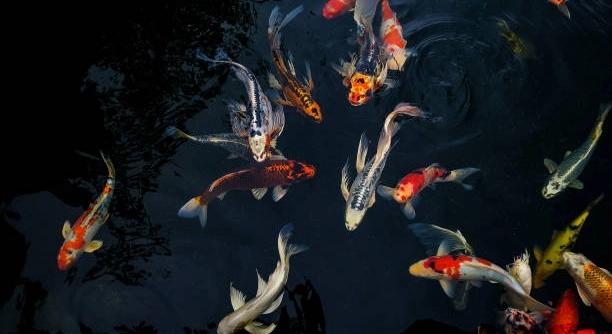
Koi fish require specific care to maintain their health and vibrant appearance. Many koi keepers look for simple ways to improve their pond environment and daily routine. Small changes can make a noticeable difference in koi well-being and longevity.
Seven straightforward adjustments can significantly improve koi health and vitality. These include optimizing water quality, adjusting feeding practices, maintaining proper pond temperature, ensuring adequate oxygen levels, providing shelter, managing pond cleanliness, and monitoring fish behavior regularly.
These practical tips will help create a thriving environment for koi, supporting their growth and happiness over time. Implementing these changes can enhance the enjoyment of keeping these beautiful fish.
Improve Water Quality
Maintaining clean, balanced water is essential for koi health. Regularly test for ammonia, nitrites, nitrates, pH, and hardness to keep water conditions stable. Poor water quality stresses koi, weakening their immune system and making them more prone to disease. Perform partial water changes weekly or biweekly to remove waste and replenish minerals. Use a good filtration system to keep the water clear and oxygenated. Avoid overfeeding, as leftover food increases waste and reduces water quality. Removing debris such as fallen leaves and excess algae also helps maintain a healthy pond environment. Clean water supports koi’s natural colors and promotes active swimming behavior.
Water quality directly affects koi survival and growth. Keeping it balanced reduces health risks and encourages longevity.
Besides monitoring water chemistry, ensure proper circulation to prevent stagnant areas. Aeration devices like fountains or air pumps boost oxygen levels, benefiting fish and beneficial bacteria. This balance helps koi thrive in a clean, stable habitat.
Adjust Feeding Practices
Feeding koi the right amount at proper intervals prevents overfeeding and water contamination. Limit feeding during colder months when koi metabolism slows. Opt for high-quality koi food tailored to seasonal needs.
Maintain Proper Pond Temperature
Koi thrive best between 59°F and 77°F (15°C–25°C). Temperatures outside this range can stress fish and slow their metabolism. Sudden temperature changes should be avoided to prevent shock.
Temperature affects koi activity and feeding habits. In colder months, koi eat less and become less active. Warmer temperatures increase metabolism but also lower oxygen levels in water. Use a pond heater or shade structures to control temperature in extreme weather. Monitoring temperature regularly ensures a stable environment. Maintaining consistent temperature prevents illness and supports healthy growth. Adjust care routines seasonally to match koi needs.
Proper temperature control also reduces risks of parasites and infections, which often thrive in unstable conditions. Keeping the pond within the ideal range creates a comfortable habitat that supports koi health year-round.
Ensure Adequate Oxygen Levels
Oxygen is critical for koi survival. Low oxygen causes stress, making koi more susceptible to disease. Use aerators, fountains, or waterfalls to increase oxygen levels effectively.
Good oxygenation improves koi’s metabolism and waste elimination. Oxygen-rich water supports beneficial bacteria that break down harmful substances. Regularly check oxygen levels, especially in summer when warmer water holds less oxygen. Avoid overcrowding the pond to prevent oxygen depletion. Adequate aeration maintains water clarity and fish vitality. Combining mechanical and natural aeration methods provides steady oxygen supply. Ensuring enough oxygen keeps koi active and healthy throughout the year.
Provide Shelter and Shade
Koi need shelter to protect themselves from predators and direct sunlight. Plants, rocks, and pond structures offer natural hiding spots. Shade helps control water temperature and reduces algae growth.
Providing shaded areas keeps koi comfortable during hot days. Floating plants or shade cloth can lower water temperature and prevent sunburn on koi’s skin.
Manage Pond Cleanliness
Regular pond cleaning prevents waste buildup and harmful bacteria growth. Remove debris and sludge to maintain water clarity and quality. Clean filters frequently to ensure they function well.
Monitor Fish Behavior
Observing koi behavior helps detect health issues early. Changes in appetite, swimming patterns, or appearance may indicate problems. Prompt action improves recovery chances.
How often should I test my pond water?
Testing water weekly is ideal for maintaining stable conditions. Key factors to check include ammonia, nitrite, nitrate, pH, and hardness. Frequent testing helps catch problems early, preventing stress or illness in koi. During seasonal changes, more frequent tests may be needed to adjust care.
What is the best way to feed koi?
Feed koi small amounts two to three times daily during warm months. Use high-quality pellets suited for koi nutritional needs. Avoid overfeeding because uneaten food pollutes the water. In colder months, reduce feeding or stop when water temperature drops below 50°F (10°C) since koi’s metabolism slows.
How can I keep my pond temperature stable?
Use pond heaters during cold weather to avoid temperature drops that shock koi. In hot weather, provide shade with floating plants or shade cloth. Installing a thermometer helps track temperature regularly. Avoid sudden temperature changes by adjusting care gradually during seasonal shifts.
What types of shelter work best for koi?
Natural shelters such as submerged plants, rocks, and driftwood offer hiding spots and shade. Floating plants like water lilies reduce sunlight exposure and control temperature. Artificial shelters like PVC pipes or plastic caves can also protect koi from predators.
How do I know if my koi are stressed?
Signs of stress include erratic swimming, hiding excessively, loss of appetite, and faded colors. Stress can come from poor water quality, temperature changes, overcrowding, or illness. Early detection through behavior observation allows timely intervention.
How often should I clean the pond and filters?
Remove debris like leaves and algae weekly to prevent waste buildup. Sludge should be cleaned seasonally or as needed. Filters require regular maintenance—clean mechanical filters monthly and replace media as recommended to maintain water flow and clarity.
Can I keep koi with other fish species?
Koi can coexist with certain species like goldfish that have similar environmental needs. Avoid aggressive or predatory fish that may harm koi. Ensure pond size and filtration can handle the combined bioload of all fish.
What should I do if a koi gets sick?
Isolate sick koi in a quarantine tank to prevent disease spread. Test water parameters and improve water quality immediately. Use appropriate treatments recommended for the specific illness. Consult a veterinarian if symptoms worsen or do not improve quickly.
How much space do koi need in a pond?
Provide at least 250 gallons of water per adult koi. Overcrowding stresses fish and degrades water quality. Larger ponds offer better stability in temperature and water chemistry, reducing health risks.
Are there seasonal care differences for koi?
Yes. Feed less or stop feeding during cold months when koi are inactive. Increase aeration in summer to counter low oxygen levels. Adjust cleaning schedules to seasonal debris loads. Monitor water temperature and quality more closely during spring and fall transitions.
Maintaining a healthy environment for koi requires consistent attention and care. Simple adjustments, such as improving water quality, controlling temperature, and providing adequate oxygen, can make a big difference. Each small step supports koi health and encourages their natural behavior. It is important to observe the pond regularly and respond to changes quickly to prevent problems from worsening. Keeping the pond clean and balanced creates a comfortable space where koi can thrive and display their vibrant colors.
Feeding practices and shelter are also key factors in koi care. Providing the right food in appropriate amounts helps maintain their strength without harming water quality. Shelter offers protection from predators and harsh sunlight, improving overall fish comfort. Monitoring koi behavior daily can alert to potential health issues before they become serious. Taking action based on these observations helps ensure the longevity and well-being of koi in your pond.
Consistent care over time builds a stable environment that benefits koi growth and happiness. Adjusting routines based on seasonal changes is necessary to meet koi needs throughout the year. By combining water quality management, feeding control, shelter provision, and careful observation, koi owners can create a thriving pond ecosystem. These practical steps require dedication but offer rewarding results in maintaining healthy, active koi.

Hello,
If you enjoy the content that we create, please consider saying a "Thank You!" by leaving a tip.
Every little bit helps us continue crafting quality advice that supports the health, happiness, and well-being of pets around the world, for pets of all shapes, sizes, and species.
We really appreciate the kindness and support that you show us!