
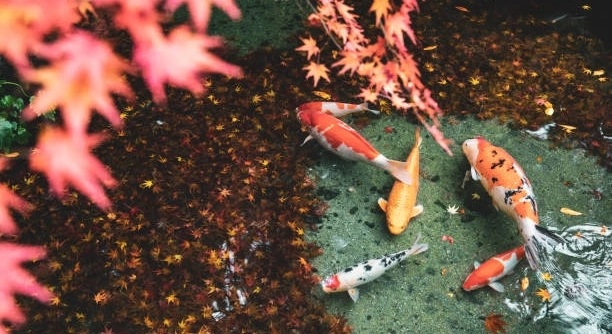
Koi ponds are beautiful and calming additions to any garden. Keeping the water healthy is important for the fish to thrive. One key factor in maintaining a good environment is making sure the pond has enough oxygen.
Oxygen levels in a koi pond can be assessed by observing fish behavior, water movement, and testing dissolved oxygen. Adequate oxygen supports fish health, prevents algae overgrowth, and maintains balanced water quality in the pond ecosystem.
Knowing how to recognize proper oxygen levels helps you care for your koi better. This guide will walk you through simple ways to check and improve oxygen in your pond.
Signs That Your Koi Pond Needs More Oxygen
When koi fish gasp at the water surface or seem sluggish, it often means the oxygen level is low. You might also notice murky water or excessive algae growth. These signs indicate the pond environment is stressed. Watching how your fish behave is one of the easiest ways to tell if oxygen is lacking. If they cluster near waterfalls or filters, they are trying to find more oxygen-rich water. Sometimes, you may see dead spots where no fish swim. This often means poor water circulation and low oxygen. Regular observation is key to catching problems early before they harm your koi.
Proper oxygen helps keep fish active and healthy. It also supports beneficial bacteria that break down waste. Without enough oxygen, toxins can build up quickly and cause illness. Monitoring water quality and fish behavior regularly will help maintain balance and prevent problems.
Low oxygen reduces koi activity and can lead to health problems. Keeping the water moving and clean helps increase oxygen levels naturally.
How to Increase Oxygen in Your Koi Pond
Adding a pond aerator or air pump is an effective way to boost oxygen levels. Aerators create bubbles that increase surface agitation, helping oxygen dissolve in water. Another simple option is installing a waterfall or fountain. These features improve water circulation and oxygen exchange. Cleaning filters regularly also prevents blockages that reduce water flow. Plants in the pond contribute oxygen during the day but consume it at night, so balance is important. Avoid overcrowding your pond with too many fish, which lowers oxygen availability. Temperature affects oxygen too; warmer water holds less oxygen, so shaded areas can help. Checking oxygen levels with a test kit will tell you if these steps work. Maintaining good oxygen levels protects your koi and keeps the pond ecosystem healthy and vibrant.
Testing Oxygen Levels in Your Koi Pond
Testing the oxygen level in your koi pond helps you understand if the environment is healthy. You can buy a dissolved oxygen test kit from garden or aquarium stores. These kits are easy to use and provide quick results.
To test oxygen, take a water sample from different pond areas, especially near the surface and bottom. Follow the test kit instructions carefully. Comparing results over time helps track changes. Regular testing is important during hot weather or after adding new fish. This gives you a clear picture of your pond’s health and allows timely action.
If the test shows low oxygen, increase aeration and check for decaying organic matter. Reducing excess algae and maintaining clean filters will also help restore oxygen balance in your pond.
The Role of Pond Plants in Oxygen Levels
Plants add oxygen during the day through photosynthesis, improving water quality naturally. However, at night, plants consume oxygen for respiration, which can lower oxygen levels when it’s dark. Having too many plants or certain species can create oxygen dips that stress fish.
Choosing the right balance of plants is important. Floating plants like water lilies provide shade and reduce water temperature, which helps keep oxygen stable. Submerged plants increase oxygen but should not overcrowd the pond. Regular trimming and removing dead plant matter prevent oxygen depletion. Keeping this balance helps maintain a healthy and oxygen-rich environment for your koi.
Signs of Low Oxygen in Koi Behavior
Koi fish that gasp at the surface or stay near water inlets often indicate low oxygen. They may also swim slowly or hide more than usual. Watching their behavior closely can help spot oxygen issues early.
Changes in koi movement, such as lethargy or erratic swimming, are warning signs. Healthy koi swim actively and explore the pond freely.
Impact of Water Temperature on Oxygen Levels
Warmer water holds less oxygen than cooler water, so oxygen levels drop as temperatures rise. During hot days, ponds can become oxygen-poor, stressing koi and increasing the risk of illness. Shading your pond and increasing aeration during warm periods helps maintain stable oxygen.
Importance of Water Circulation
Good water movement supports oxygen exchange at the surface and distributes oxygen evenly. Stagnant areas in a pond often have lower oxygen and can harm fish health. Using pumps, fountains, or waterfalls improves circulation and keeps oxygen levels balanced.
FAQ
How often should I test the oxygen levels in my koi pond?
Testing oxygen levels once a week is a good routine, especially during warmer months. If you notice signs of low oxygen, like fish gasping or sluggishness, test more frequently. After heavy rain, adding new fish, or cleaning the pond, it’s also wise to check oxygen to ensure the environment remains stable.
Can too much aeration harm my koi pond?
Generally, more aeration is better than too little. However, excessive water movement can stress koi by making them swim harder or disturbing plants. The key is balanced aeration that keeps oxygen levels steady without creating strong currents that disrupt the pond’s natural feel.
What are the best plants for oxygenating a koi pond?
Submerged plants like hornwort, anacharis, and waterweed release oxygen directly into the water. Floating plants such as water lilies provide shade, which helps keep water cool and oxygen levels stable. Avoid overcrowding with plants to prevent oxygen drops at night when they consume oxygen.
How does algae affect oxygen levels?
Algae produce oxygen during daylight but consume it at night, sometimes causing low oxygen levels when it’s dark. Excessive algae growth can also block sunlight from reaching beneficial plants, reducing their oxygen production. Controlling algae with proper filtration and avoiding overfeeding helps maintain oxygen balance.
What temperature range is best for oxygen in a koi pond?
Cooler water holds more oxygen. Ideal koi pond temperatures range between 65°F and 75°F (18°C to 24°C). When water warms above 80°F (27°C), oxygen levels can drop significantly. Providing shade and aeration during hot weather helps keep oxygen levels safe for koi.
How can I improve oxygen levels without equipment?
Increasing surface agitation by adding a waterfall or fountain helps oxygen dissolve naturally. Planting a mix of submerged and floating plants can balance oxygen during day and night. Also, avoid overcrowding fish and remove debris regularly to prevent oxygen depletion caused by decaying matter.
Why do koi gather at the surface?
Koi often gather at the surface when oxygen levels are low because surface water contains more oxygen. They may also do this if the pond water is warm or polluted. If you see this behavior, it’s a sign to check water quality and increase aeration.
Can fish die from low oxygen suddenly?
Yes, oxygen can drop quickly due to factors like algae blooms, high temperatures, or pollution, causing fish to suffocate. This is why regular monitoring is important. Quick action, like adding aeration or water changes, can prevent losses.
What is the role of water depth in oxygen levels?
Shallow ponds tend to warm up faster, reducing oxygen levels. Deeper ponds have more stable temperatures and oxygen reserves but require good circulation to prevent stagnant zones. Balancing depth and water movement ensures a healthy oxygen supply throughout the pond.
Is it okay to add air stones or bubblers directly in the pond?
Yes, air stones and bubblers increase oxygen by creating bubbles that agitate the water surface. They are especially useful in ponds without waterfalls or fountains. Position them near fish activity areas or places with poor circulation for best results.
How does organic waste affect oxygen in a koi pond?
Decaying leaves, uneaten food, and fish waste consume oxygen during decomposition. This reduces the oxygen available for fish and beneficial bacteria. Regular pond cleaning and maintaining good filtration help keep oxygen levels high by removing organic waste promptly.
What signs show that oxygen levels are safe for koi?
Healthy koi swim actively, eat well, and spread evenly throughout the pond. Clear water, minimal surface scum, and steady water movement also indicate good oxygen. Testing with a dissolved oxygen meter confirms these observations scientifically.
Can I rely on fish behavior alone to judge oxygen levels?
Fish behavior is a helpful early warning but not always precise. Some koi hide or slow down for reasons other than oxygen. Combining observation with regular testing gives a clearer picture of oxygen conditions.
How do seasonal changes affect oxygen in a koi pond?
In winter, oxygen levels are usually higher because cold water holds more oxygen, but ice cover can block oxygen exchange. In summer, higher temperatures lower oxygen, and algae growth increases. Adjusting aeration and monitoring more closely during these seasons is essential.
What maintenance helps keep oxygen levels stable?
Regularly clean filters, remove debris, avoid overfeeding, and trim plants. Ensure pumps and aerators run efficiently. Also, check for clogged water inlets or outlets that reduce circulation. Consistent care prevents oxygen dips and keeps koi healthy.
Final Thoughts
Keeping enough oxygen in your koi pond is essential for the health of your fish and the overall balance of the pond. Oxygen supports not only the koi but also beneficial bacteria that help break down waste. Without proper oxygen, fish can become stressed or sick, and the water quality can worsen quickly. Paying attention to oxygen levels is a key part of good pond care and can prevent many common problems. It’s important to regularly observe your fish and test the water to make sure oxygen stays at a safe level.
There are many simple ways to improve oxygen in your pond. Adding aerators, fountains, or waterfalls increases water movement, which helps oxygen dissolve into the water. Plants can also play a helpful role by producing oxygen during the day, but it’s important to keep a healthy balance. Too many plants or too much algae can lower oxygen, especially at night. Keeping the pond clean by removing debris and avoiding overfeeding reduces the amount of decaying matter that uses up oxygen. Small changes in pond management can make a big difference in maintaining healthy oxygen levels.
Remember that temperature and pond design affect oxygen too. Warmer water holds less oxygen, so shading the pond or providing cooler areas helps. Proper water circulation prevents stagnant zones where oxygen may be low. Monitoring and adjusting your pond’s conditions throughout the year keeps the environment stable for your koi. Taking these steps shows care and helps your koi live longer, healthier lives. With simple attention and routine maintenance, you can create a comfortable home for your fish and enjoy the beauty of your pond.

Hello,
If you enjoy the content that we create, please consider saying a "Thank You!" by leaving a tip.
Every little bit helps us continue crafting quality advice that supports the health, happiness, and well-being of pets around the world, for pets of all shapes, sizes, and species.
We really appreciate the kindness and support that you show us!