
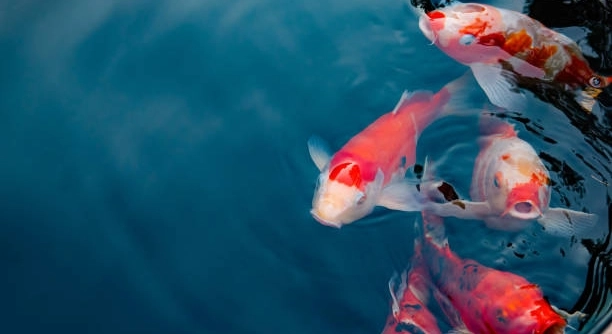
Do your koi seem less active lately, or are they showing signs of stress in a pond that once felt just right?
When koi outgrow their pond, they can suffer from stress, stunted growth, and poor health due to overcrowding and limited resources. A pond that is too small affects water quality, oxygen levels, and overall fish well-being.
Understanding the impact of space on koi health can help you create a more balanced environment and avoid future issues.
Signs Your Koi Have Outgrown Their Pond
As koi grow, they begin to need more room to swim, eat, and thrive. A small pond can quickly become too crowded, especially if multiple koi are present. You might start to see behavioral changes like aggression or lethargy. They may compete for food more aggressively or spend more time near the surface gasping for air. Poor water quality also becomes a major issue. Waste builds up faster than your filtration system can handle, leading to higher ammonia and nitrate levels. Over time, this stresses the fish and weakens their immune systems. You may even notice visible signs like frayed fins or faded color. These aren’t just random changes—they’re signals that your pond may no longer meet their needs. Observing your koi closely helps you catch these signs early. This way, you can make the changes needed before their health takes a hit.
Outgrown ponds lead to more frequent illnesses, unbalanced water conditions, and limited space for natural behaviors.
Making sure your koi have enough space is not just about comfort—it’s necessary for their growth and overall health. Healthy koi need consistent water parameters, oxygen-rich water, and a peaceful environment. When that’s missing, their immune systems weaken, and they become more prone to infections.
What You Can Do About It
The best way to prevent issues is to plan for growth from the start.
If your koi have already outgrown their pond, there are a few steps you can take to help them. The first option is to upgrade the pond entirely. That means digging a larger space, ideally one that’s at least three feet deep and over 1,000 gallons in volume. This gives them room to swim comfortably and helps maintain water quality. If a full upgrade isn’t possible, consider rehoming some of the koi to reduce the population. Fewer fish in the same space can lead to better conditions for the ones that remain. You can also upgrade the filtration system to one that handles a larger bioload. Adding more plants, aeration, and shade also helps maintain a healthier balance. Regular water testing is important, especially after making changes. Watching how your koi respond is key—they’ll show improvement once conditions start to stabilize. Keep monitoring their behavior and water quality over time.
Risks of Keeping Koi in a Small Pond
Koi kept in cramped spaces often deal with more stress, making them more likely to get sick. When there’s not enough room, their natural behaviors are limited, which affects their mood and long-term health. Small ponds also tend to suffer from unstable water conditions.
Limited space makes it harder to maintain balanced water quality. Waste builds up quickly, causing ammonia levels to spike. These toxic conditions can lead to fin rot, fungal infections, and other health problems. Oxygen levels also drop, especially during warmer months when koi need more. A stressed koi may swim erratically or isolate itself. These warning signs are often ignored, but they usually mean the fish is struggling. While koi are resilient, they won’t thrive in poor conditions. If the pond stays small and crowded, their growth slows, and they begin to suffer. Size matters more than many people realize when it comes to koi health.
Overcrowding also impacts the ecosystem inside the pond. Beneficial bacteria can’t keep up with the increased waste, which puts a strain on the entire environment. Algae blooms become more common, and water becomes cloudy or smells bad. These are signs that the system is failing. A proper balance is hard to achieve in tight spaces.
How to Plan for Long-Term Koi Health
Preventing problems early on saves you stress later. Make sure your pond design considers the size koi will eventually reach—not just their size as babies. They grow fast and need space to swim freely and stay active. It’s also easier to keep water clean in a larger pond.
Aim for at least 250 gallons of water per koi, especially if you want them to grow large and live long. A pond depth of at least three feet helps regulate temperature, keeping the water cool in summer and warmer in winter. Choose a high-quality filtration system that suits the size of the pond and the number of koi you plan to keep. It’s better to overfilter than underfilter. Add plants to provide shade, reduce algae, and help with oxygen levels. Regular testing helps you catch issues before they affect the fish. Lastly, always observe your koi—they’ll show you how well the environment is working.
Common Mistakes Pond Owners Make
One common mistake is underestimating how large koi can get. People often build ponds based on the size of baby koi, not realizing they can grow over two feet long with proper care.
Another mistake is neglecting filtration upgrades as fish grow. The same system that worked early on may not handle increased waste.
When to Upgrade Your Pond
It’s time to upgrade the pond when water quality becomes hard to manage or koi start showing stress. Signs include slow movement, frequent surface gasping, and color loss. If your koi aren’t growing anymore, that’s another clue. When water tests show repeated ammonia or nitrate spikes despite maintenance, space is likely the issue. A growing koi population or adding more fish without increasing pond capacity also demands a change. Even subtle changes in behavior or appetite can signal that they need more room. Act early to avoid health problems that could become harder to reverse later.
Choosing the Right Pond Size
The right pond size depends on how many koi you have and how large they’ll grow. More space means better water quality and less stress.
FAQ
How big do koi get?
Koi can grow much larger than many people expect. On average, they reach about 24 to 36 inches in length when kept in the right conditions. Some koi can even grow longer, especially in larger ponds with good filtration and enough oxygen. Their size depends on their genetics, diet, water quality, and the amount of space they have to swim. In small or crowded ponds, their growth slows down, and they may stay much smaller. Still, this stunted growth often comes with health risks and isn’t ideal for their long-term well-being.
How many koi can I keep in my pond?
A good rule is one koi per 250 gallons of water. This gives them enough space to swim, grow, and live without stress. Some pond keepers stretch that a bit, but it usually leads to more water quality problems and stressed fish. If your filtration system is very strong and you do frequent water changes, you might manage slightly more. But giving them extra space is always better. It helps maintain good oxygen levels, reduces the chance of illness, and makes the pond easier to take care of overall.
Can koi live in a small pond permanently?
Not really. While they may survive for a while in a small pond, they won’t thrive long term. They need space to grow, move freely, and avoid stress. A small pond can’t keep up with their waste output as they get bigger. This makes it harder to maintain clean water and good oxygen levels. Over time, koi kept in tight spaces are more likely to get sick or stop growing. If you plan to keep koi, building or upgrading to a larger pond is necessary for their long-term health.
What happens if I don’t upgrade the pond?
If you don’t upgrade, koi can suffer from stunted growth, fin problems, low energy, and more frequent illness. Water conditions will become harder to manage, even with regular maintenance. Ammonia levels can spike, oxygen can drop, and algae blooms can take over. The fish will begin to show signs of stress, such as staying near the surface or becoming aggressive toward each other. Eventually, their immune systems weaken, and they may stop eating or become inactive. It’s not just about size—it’s about keeping the environment livable.
Do koi really need that much space?
Yes, they do. Koi are active swimmers and naturally curious. They explore their surroundings, interact with other fish, and feed constantly. Space helps them do all of that safely. Tight spaces lead to boredom, aggression, and stress. Having enough room also makes it easier to maintain stable water conditions. With more volume, water chemistry doesn’t change as quickly, and harmful substances don’t build up as fast. So giving koi enough room isn’t a luxury—it’s essential.
Can better filtration make up for a small pond?
A strong filtration system helps, but it doesn’t fix the space problem. Even with excellent filters, koi still need room to swim and grow. Filtration keeps the water cleaner and helps remove harmful substances, but it can’t stop stress caused by overcrowding. It also doesn’t give the fish more oxygen or reduce competition for food and space. If your pond is too small, improving the filter is only a temporary fix. Eventually, you’ll still need to consider moving the koi to a bigger space or rehoming some of them.
How do I know if my koi are stressed?
Stressed koi often behave differently. They may swim near the surface, stop eating, or hide more than usual. Some may flash against surfaces or rub their bodies, which can be a sign of irritation. Changes in color, frayed fins, or sluggish movement are also signs. If the water smells bad or looks cloudy, that can mean the environment is stressing them out. You might also notice one fish bullying another—something that happens more in cramped conditions. Observing your koi daily helps you notice small changes early.
Is it hard to upgrade a pond?
It depends on your space, time, and budget. If you have room in your yard, upgrading can be as simple as digging a deeper or wider hole and adding a larger liner. You’ll also need a better filtration system and may want to add new features like waterfalls, plants, or aerators. It takes some effort, but it’s usually worth it. Healthier fish are more active, more colorful, and live longer. Planning ahead before building or expanding makes the process much easier in the long run.
Final Thoughts
Keeping koi can be a rewarding experience, but it does come with responsibility. These fish are not just pretty to look at—they have real needs that must be met for them to stay healthy. One of the most important things to remember is that koi grow quickly. A pond that once seemed big enough can become too small in just a few years. When koi outgrow their pond, it creates stress, health problems, and water quality issues. These changes don’t always happen overnight, which is why regular observation and care are so important. Paying attention to the size of your fish and the conditions in your pond can help you decide when it’s time to make adjustments.
Having enough space is not just about avoiding overcrowding. It’s about giving koi the room to swim freely, grow at a healthy rate, and live in clean, balanced water. A larger pond makes it easier to keep water parameters stable, which means less stress for both you and the fish. It also gives you the chance to add more natural features like aquatic plants, aeration systems, and shaded areas. These additions help maintain oxygen levels and improve the overall environment. While some people try to fix problems with stronger filters or more frequent cleanings, those are often short-term solutions. A pond that’s too small will eventually catch up with you, no matter how well you try to manage it.
It’s okay if you started out with a smaller pond. Many people do. What matters most is how you respond as your koi grow. Upgrading the pond, rehoming extra fish, or simply adjusting your care routine are all valid steps. There’s no perfect setup, but there is always room to improve. Healthy koi are active, colorful, and curious, and that’s what you want to see. With the right environment, koi can live for decades. Whether you’re just getting started or have been keeping koi for years, it helps to think long-term. Planning ahead makes everything easier—for you and for the fish. A well-maintained pond not only supports the health of your koi but also becomes a peaceful, beautiful space for you to enjoy. Making small, thoughtful changes now can lead to better outcomes down the line.

Hello,
If you enjoy the content that we create, please consider saying a "Thank You!" by leaving a tip.
Every little bit helps us continue crafting quality advice that supports the health, happiness, and well-being of pets around the world, for pets of all shapes, sizes, and species.
We really appreciate the kindness and support that you show us!