
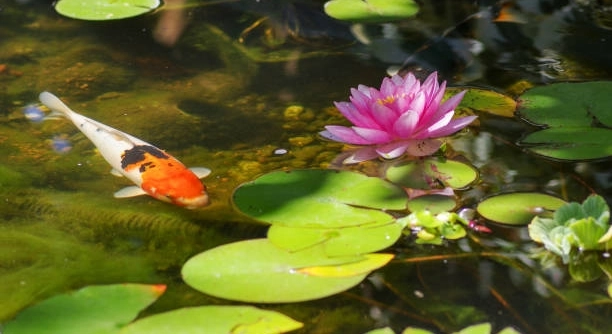
Many backyard koi pond owners want to improve their outdoor spaces without too much hassle. Simple upgrades can make a big difference in both the look and health of the pond. These changes often require minimal effort but add great value.
Easy upgrades for koi ponds include adding better filtration systems, introducing aquatic plants, improving lighting, installing aerators, enhancing pond edges, upgrading pumps, and using natural treatments. These changes boost water quality, fish health, and overall pond appearance effectively.
These straightforward improvements can refresh your pond and create a more enjoyable environment for both you and your koi. Let’s explore some practical ideas that work well for any backyard pond.
Upgrade Your Filtration System
Improving your pond’s filtration system is one of the best ways to keep the water clear and healthy for your koi. Many older ponds have basic filters that don’t handle waste efficiently. Upgrading to a modern, multi-stage filter can remove more debris and harmful substances. These systems often combine mechanical, biological, and chemical filtration, which work together to keep the water clean. A good filter reduces algae growth and makes your pond easier to maintain. It also helps maintain oxygen levels, which is essential for the fish. You don’t have to replace the entire system at once; sometimes adding an additional filter unit or upgrading parts can make a noticeable difference. Spending some time researching filters suited to your pond size will pay off in better water quality and healthier koi.
A better filtration system helps keep your pond balanced and reduces maintenance time, letting you enjoy your koi more.
Filtration upgrades can be straightforward and don’t always require professional help. Many kits come with clear instructions and are designed for easy installation. It’s important to clean the filter regularly to keep it working at peak efficiency. Combining a filter upgrade with other improvements, like adding aquatic plants, can further enhance water quality. This step not only benefits your fish but also creates a more pleasant pond environment for you to relax by throughout the seasons.
Add Aquatic Plants for Natural Balance
Aquatic plants improve water quality and provide shade and shelter for koi.
Plants absorb excess nutrients in the water that might otherwise feed algae growth. They also help oxygenate the pond, especially during daylight hours. Adding plants like water lilies, hornwort, or floating plants creates a more natural setting. This can make your pond look fuller and more inviting. Plants also offer hiding spots for your fish, which can reduce their stress and encourage natural behavior. When choosing plants, consider your pond size and the climate to pick species that will thrive. Adding a few plants each season can gradually improve the pond’s ecosystem. Plus, it’s a simple upgrade that adds color and texture without much work. This natural approach complements filtration improvements and supports overall pond health.
Improve Pond Lighting
Adding lighting to your koi pond enhances its beauty, especially at night. Soft, underwater LED lights can highlight the fish and plants.
Lighting can create a peaceful atmosphere around your pond. Choose energy-efficient LED lights designed for outdoor use. Submersible lights placed near plants or rocks add depth and interest to the scene. Solar-powered options are available and easy to install, requiring no extra wiring. Lighting also improves safety by making the pond edges visible in the dark. Avoid overly bright lights, which can stress koi or encourage algae growth. Instead, aim for warm, gentle illumination that complements your pond’s natural look. Adjust lighting angles to prevent glare and create a calm, inviting space for evening enjoyment.
Besides aesthetic benefits, lighting can extend your time outdoors. Watching koi swim under soft light feels calming and adds a new dimension to your backyard experience.
Install an Aerator
Aerators help increase oxygen levels in the pond water, which is vital for koi health. They work by circulating water and introducing air.
Using an aerator prevents water stagnation and supports beneficial bacteria that break down waste. It is especially helpful during hot weather when oxygen levels drop. Aerators are easy to install and come in different sizes to fit various pond dimensions. Some models combine aeration with gentle water movement, reducing debris buildup. Placement matters—position the aerator where water circulation is poor for best results. Regular use improves water clarity and helps koi stay active and healthy. Adding an aerator is a cost-effective upgrade that supports a balanced, thriving pond environment. This simple device can make a big difference in maintaining water quality through all seasons.
Enhance Pond Edges
Improving the edges of your koi pond creates a cleaner, more polished look. Using natural stones or smooth rocks can blend the pond into your yard.
Adding edging materials also helps prevent soil erosion and keeps debris from falling into the water. It defines the pond’s shape and makes maintenance easier.
Upgrade Your Pond Pump
A reliable pump is essential for water circulation and filtration. Older pumps may lose efficiency or fail to move enough water.
Upgrading to a more powerful, energy-efficient pump ensures consistent water flow. This supports filtration and aeration systems better, promoting a healthier environment for your koi. Choose a pump rated for your pond’s size and flow needs. Modern pumps often have quieter operation and lower energy use, reducing long-term costs. Regularly check and clean your pump to keep it working well. Proper water circulation prevents stagnation and helps keep water clear.
Use Natural Treatments
Natural treatments help maintain water quality without harsh chemicals. Products like beneficial bacteria or enzyme treatments support the pond’s ecosystem.
FAQ
What is the easiest upgrade for a koi pond?
The easiest upgrade is often adding aquatic plants. They require little maintenance, improve water quality naturally, and provide shelter for koi. Floating plants or lilies can be placed without major changes to the pond structure, making this a simple and effective improvement.
How often should I clean my pond filter?
Cleaning depends on the filter type and pond size, but generally every 3 to 4 weeks is recommended. Regular cleaning keeps the filter efficient, prevents clogging, and maintains clear water. Avoid over-cleaning, as beneficial bacteria need some buildup to thrive.
Can I install a pond pump myself?
Yes, many pumps are designed for easy DIY installation. Most come with instructions and only need a power source and connection to the pond’s filtration system. Ensure the pump is rated for your pond size and follow safety guidelines when handling electrical equipment near water.
Why is aeration important in a koi pond?
Aeration increases oxygen levels, which is essential for koi health and beneficial bacteria. It helps prevent stagnant water, reduces algae growth, and improves waste breakdown. This is especially important during warm months when oxygen levels drop naturally.
What lighting works best for a koi pond?
Soft, underwater LED lights are ideal. They provide gentle illumination without stressing the fish. Solar-powered lights offer an easy, energy-efficient option without complicated wiring. Avoid bright or harsh lights, which can encourage algae and disturb koi.
How do I prevent algae in my pond?
Maintaining good filtration and aeration helps control algae. Adding aquatic plants that compete for nutrients also reduces algae growth. Avoid overfeeding koi and remove debris regularly. If algae appears, natural treatments like beneficial bacteria can help balance the pond.
Is it necessary to upgrade my pond edges?
Not always, but improving edges with natural stones or edging materials helps prevent soil erosion and keeps debris out. It also creates a neater appearance and can make cleaning easier. This upgrade adds both function and style to your pond.
What natural treatments are safe for koi ponds?
Beneficial bacteria and enzyme treatments are safe and support the pond’s ecosystem by breaking down waste. Avoid harsh chemicals that can harm fish or upset water balance. Natural treatments help keep water clear and maintain a healthy environment.
How do I choose the right pump size?
Select a pump that can circulate your pond’s entire volume at least once every hour. Check the pump’s flow rate and match it to your pond size. Oversized pumps waste energy, while undersized ones won’t maintain good circulation.
Can lighting be added without professional help?
Yes, many pond lights come with simple installation instructions. Solar or battery-operated lights require no wiring. For wired lights, basic electrical knowledge is helpful, but many kits are designed for easy setup.
How can I improve water clarity quickly?
Upgrading filtration and using aeration improve clarity over time. For quick results, removing debris manually and using natural clarifiers can help. Avoid chemical clarifiers unless absolutely necessary, as they can disrupt pond balance.
What plants are best for koi ponds?
Water lilies, hornwort, and floating plants like duckweed are popular choices. These plants provide shade, shelter, and help absorb excess nutrients, reducing algae. Choose plants suited to your climate and pond size.
How do I know when to upgrade my filtration?
If water is consistently cloudy or smells bad, or if algae grows quickly, your filtration may be inadequate. Frequent cleaning without improvement also signals the need for an upgrade. Modern multi-stage filters are more efficient and easier to maintain.
What maintenance does an aerator need?
Aerators require minimal upkeep. Check for blockages or damage regularly and clean any debris from the diffuser. Replace parts as needed to keep air flow steady. Proper maintenance ensures optimal oxygen levels year-round.
Are natural treatments effective year-round?
Yes, but their effectiveness varies with temperature. Beneficial bacteria work best in warmer months. In colder weather, their activity slows, so maintaining proper filtration and aeration is especially important during winter.
Can I combine several upgrades at once?
Combining upgrades like filtration, aeration, and plants often gives the best results. Each improves different aspects of the pond ecosystem. Start with the most needed upgrades and add others gradually to avoid overwhelming the pond’s balance.
Upgrading your backyard koi pond doesn’t have to be complicated or expensive. Small changes can make a big difference in how your pond looks and feels. By improving things like filtration, aeration, and lighting, you help create a healthier space for your koi. These upgrades also reduce the time and effort you spend on maintenance. When the water is clear and the fish are healthy, your pond becomes a more enjoyable place to spend time. Simple steps often bring the best results without major work or cost.
Adding aquatic plants and natural treatments can balance your pond’s ecosystem. Plants absorb excess nutrients, which keeps algae growth under control. Natural treatments like beneficial bacteria help break down waste and keep the water clean. These options are gentle on your koi and promote a stable environment. They also add a nice look with greenery and flowers. Together with other upgrades, they help maintain water quality all year long. You don’t need fancy equipment or chemicals to improve your pond—nature often provides the best solutions.
Taking care of your koi pond can be relaxing and rewarding. Upgrades are a way to protect your fish and make your outdoor space more beautiful. Whether you focus on improving filtration, adding lighting, or installing an aerator, each change contributes to a better pond. Start with one or two upgrades that fit your budget and needs, then build from there. With some attention and care, your pond will stay healthy and pleasant for many seasons. These easy improvements help your koi thrive and make your backyard a peaceful retreat.

Hello,
If you enjoy the content that we create, please consider saying a "Thank You!" by leaving a tip.
Every little bit helps us continue crafting quality advice that supports the health, happiness, and well-being of pets around the world, for pets of all shapes, sizes, and species.
We really appreciate the kindness and support that you show us!