
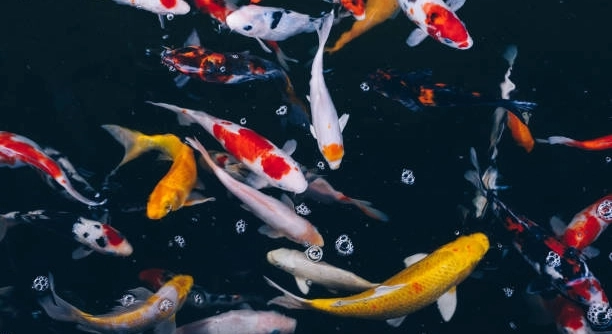
Caring for koi fish means keeping an eye on their health and well-being. Injuries can happen, and knowing how to spot them early is important. This article will help you understand the signs of an injured koi fish.
Injuries in koi fish can be identified through visible wounds, changes in swimming behavior, and unusual skin discoloration. Prompt observation of these indicators helps ensure timely care and reduces the risk of infections or further harm.
Recognizing the signs of injury allows you to provide better care and improve your koi’s chances of a full recovery. The following guide will walk you through the key things to watch for.
Common Signs of Injury in Koi Fish
Koi fish can show different signs when they are hurt. One of the most obvious is visible damage like cuts, torn fins, or missing scales. Sometimes you might notice redness or swelling around the injured area. Injuries may also cause koi to swim awkwardly or hide more often. Another sign is a change in appetite — injured fish often eat less or stop eating entirely. Sometimes, koi develop white patches or ulcers on their skin. These signs mean the fish is stressed and possibly infected. Observing your koi regularly helps catch these issues early. Quick action can make a big difference in recovery. Also, water quality affects healing, so keeping the pond clean is important. Injuries often occur due to sharp objects, rough handling, or fights with other fish. By watching for these signs, you can keep your koi healthier and happier.
Injured koi usually show both physical wounds and changes in behavior, signaling something is wrong.
Keeping a close eye on these signs helps you respond quickly. Prompt care can prevent minor injuries from becoming serious. It also reduces the chance of infection or disease spreading. Regular pond maintenance and a safe environment lower injury risks. When you notice an injury, isolate the koi if possible, and check water conditions. You might need to clean wounds gently or use medicated treatments recommended for fish. Remember, koi can recover well if cared for properly and given time. Staying observant allows you to protect your koi and enjoy their beauty longer.
How to Care for an Injured Koi Fish
When a koi fish is injured, the first step is to improve its environment. Make sure the water is clean and well-aerated to help healing. You may want to move the injured fish to a quarantine tank to avoid stress and prevent infection. Avoid overcrowding and remove any sharp objects that could worsen injuries. Feeding a high-quality diet with added vitamins supports recovery. If wounds are visible, gently rinse the affected area with clean water. Sometimes, applying a fish-safe antibacterial treatment is necessary, but only use products designed for koi. Monitor the fish daily for changes. Avoid handling the koi too much as this can cause more harm. Patience is key since healing takes time. With proper care and attention, many koi recover fully from injuries and return to normal behavior.
Preventing Injuries in Koi Fish
Keeping your koi safe starts with a well-maintained pond. Remove sharp objects like broken decorations or rough rocks that can cause cuts. Regularly check water quality, as poor conditions stress fish and make injuries worse.
Creating a calm environment helps reduce fights between koi, which are a common cause of injury. Avoid overcrowding and provide plenty of space for each fish to swim freely. Feeding a balanced diet strengthens their immune system, helping them resist infections and heal faster if hurt. Also, adding hiding spots like plants or shelters gives koi a place to escape if they feel threatened.
Routine pond cleaning and monitoring fish behavior are key to injury prevention. Pay attention to any signs of aggression or unusual movement. Early detection of small wounds or stress signs allows you to act before problems escalate. Prevention is always better than treatment, and a safe, clean environment keeps your koi healthy and thriving.
When to Seek Professional Help
If your koi shows deep wounds, persistent lethargy, or refuses to eat for several days, it’s time to consult a vet or fish specialist. Serious injuries can lead to infections or other complications without proper treatment.
Sometimes injuries require antibiotics, special medications, or advanced care that is hard to provide at home. A professional can properly diagnose the problem and suggest the best treatment plan. They may also recommend water tests or specific changes to the pond environment to aid recovery. Don’t wait too long to get help, as delays can worsen the fish’s condition. Early intervention by an expert improves the chances of full recovery. If you feel unsure about your koi’s health, asking for advice is always a smart choice.
Treating Minor Injuries at Home
Small cuts and scrapes on koi can often be treated with basic care. Clean the affected area gently using clean water to remove debris. Avoid using soap or chemicals not meant for fish.
Applying a fish-safe antiseptic or antibiotic ointment can help prevent infection. Keep the water clean and monitor the koi’s behavior closely. Isolation in a quarantine tank may be necessary to reduce stress and avoid spreading illness.
Monitoring Healing Progress
Regularly observe the injured koi for signs of improvement or worsening. Healing skin should look less red and swollen over time. The fish should regain normal swimming patterns and appetite.
If wounds do not heal or get worse, reconsider treatment or seek professional help. Patience and consistent care are essential for recovery.
Handling Injured Koi Carefully
Minimize handling injured koi to avoid adding stress or damage. When moving the fish, use a soft net and keep handling time short. Always support the fish gently during transfer.
Importance of Water Quality
Good water quality speeds up healing and keeps infections at bay. Test water regularly and maintain proper filtration and aeration to support injured koi.
FAQ
How can I tell if my koi fish is seriously injured?
Serious injuries often include deep wounds, torn fins, or open sores that don’t heal quickly. If your koi is swimming awkwardly, staying at the surface gasping for air, or refusing to eat for several days, these are signs of a major problem. Swelling or unusual lumps can also indicate infections or internal issues. If you see these signs, it’s best to act quickly to avoid worsening the condition.
What should I do if my koi has a minor cut?
For small cuts or scrapes, rinse the wound gently with clean, dechlorinated water. Keep your pond or quarantine tank water clean to prevent infection. Using a fish-safe antibacterial treatment can help the wound heal faster. Make sure the injured koi is not stressed by overcrowding or rough tank mates. Observe the fish daily and keep feeding it a healthy diet to boost recovery.
Can injuries in koi heal on their own?
Many minor injuries do heal naturally if the pond environment is clean and stress is minimized. Koi have strong immune systems that help fight infection. However, it’s important to watch the injury closely. If you notice redness increasing, swelling, or the fish worsening in behavior, this could mean infection or a deeper problem. In those cases, treatment or professional advice is necessary.
Is it necessary to isolate an injured koi?
Isolating injured koi in a quarantine tank is often recommended. It reduces stress from other fish and lowers the risk of spreading infections. Quarantine also allows easier monitoring and treatment. The tank should have clean, well-aerated water, with similar temperature and conditions as the main pond. Keep the fish calm and avoid handling it more than needed.
What are the common causes of koi injuries?
Injuries often happen from sharp objects in the pond, such as broken decorations or jagged rocks. Fish fights or aggressive behavior between koi can cause fin tears and wounds. Poor water quality stresses the fish, making them more prone to injury and infection. Rough handling during cleaning or moving fish also leads to damage. Regular maintenance and careful observation help prevent many of these issues.
How do I maintain good water quality for injured koi?
Regularly test your pond’s water for ammonia, nitrites, nitrates, and pH levels. Keep these within safe ranges to avoid stressing the fish. Use efficient filtration and aeration to maintain oxygen levels. Change water partially when needed, but avoid sudden changes that shock the fish. Keeping the pond clean and stable supports healing and overall fish health.
Can diet affect healing in injured koi?
Yes, a nutritious diet plays an important role in recovery. Feeding high-quality koi food with added vitamins and minerals supports the immune system. Some foods contain ingredients that promote skin and fin regeneration. Avoid overfeeding, which can pollute the water and harm healing. Supplementing diet with fresh vegetables or special koi supplements can also be helpful.
When should I call a veterinarian?
Call a vet if your koi has large wounds, deep infections, or does not improve after a week of home care. Also seek help if the fish shows signs of severe distress like gasping, erratic swimming, or weight loss. Professional care might include antibiotics, specialized treatments, or water tests you can’t do at home. Early veterinary advice can prevent complications and save your koi’s life.
How can I reduce the risk of injuries during pond maintenance?
Handle koi gently and only when necessary. Use soft nets and wet your hands before touching fish to protect their slime coat. Remove sharp objects from the pond before maintenance begins. Perform water changes slowly to avoid sudden temperature shifts. Regularly inspect the pond for hazards to prevent injuries before they happen.
Can stress cause injuries or worsen them in koi?
Stress weakens koi’s immune system and makes healing slower. It can also cause aggressive behavior between fish, increasing injury risk. Factors like poor water quality, overcrowding, loud noises, or sudden changes in environment add stress. Keeping a calm, stable pond environment helps injured koi recover faster and prevents new wounds.
Final Thoughts
Taking care of koi fish means paying close attention to their health and environment. Injuries are common but often avoidable with proper care and maintenance. By regularly checking your koi for signs of wounds, unusual behavior, or changes in appearance, you can catch problems early. Early detection gives you the best chance to help your fish heal and avoid complications like infections. Keeping the pond clean and safe plays a big role in preventing injuries. Sharp edges, overcrowding, and poor water quality all increase the risk of harm to your koi. Maintaining good water quality, a calm environment, and healthy food will support your fish’s overall well-being.
When injuries do happen, it is important to act quickly and carefully. Minor cuts and scrapes can often be treated at home with simple cleaning and fish-safe treatments. Isolating the injured koi in a quarantine tank can reduce stress and help with monitoring recovery. More serious injuries, or wounds that don’t heal, require professional attention from a veterinarian or fish health expert. Don’t hesitate to seek advice if you are unsure about your koi’s condition. Taking the right steps early on improves the chance of full healing and keeps your fish comfortable.
Patience is key when dealing with injured koi. Healing takes time, and your fish may not recover overnight. Providing a stable, stress-free environment encourages better recovery. Watch your koi closely and keep up with proper pond care to prevent future injuries. Remember, healthy koi are happier koi. With steady care and attention, your koi can stay strong and beautiful for many years. Taking these simple but important steps will help you enjoy your koi and their graceful presence in your pond.

Hello,
If you enjoy the content that we create, please consider saying a "Thank You!" by leaving a tip.
Every little bit helps us continue crafting quality advice that supports the health, happiness, and well-being of pets around the world, for pets of all shapes, sizes, and species.
We really appreciate the kindness and support that you show us!