
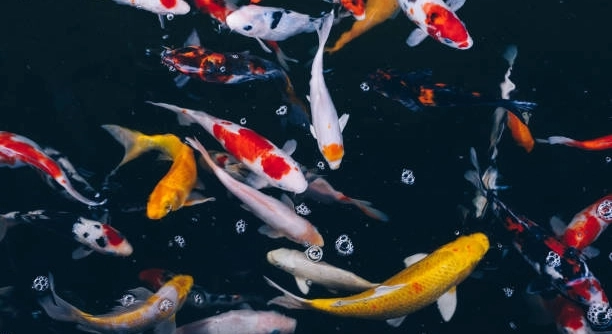
Do you ever find yourself watching your koi and noticing that their colors or markings suddenly look different from before?
Koi can change their patterns due to age, environmental conditions, water quality, diet, or genetics. These changes are generally natural and can occur gradually or quickly depending on the underlying cause.
Koi pattern changes can reveal a lot about their health, environment, and growth. Learning what to look for can help you better care for them.
Why Koi Change Their Patterns
Koi often change their patterns as they grow older. Their color cells, called chromatophores, can shift or fade over time. Factors like age, genetics, water temperature, sunlight, and diet all play a role. Some koi may lose their bright markings, while others develop deeper, more defined patches. It’s common for young koi to look very different by the time they are fully grown. Certain breeds are more prone to these shifts, especially those with red or black markings. Even stress can influence how pigments appear. These changes aren’t always something to worry about, but they can signal a need to check water conditions or diet. Clean water with the right pH and temperature supports healthy skin and color development.
Color shifts can also happen after illness or injury. When koi recover, their patterns might not return exactly the same. This change is usually permanent.
If a koi’s pattern fades suddenly, it might mean something is wrong in the pond. You should test the water and check for changes in behavior.
What You Can Do About It
Focus on keeping the pond clean and balanced. Koi thrive when the water is stable, with proper oxygen, filtration, and temperature control.
A well-maintained environment reduces the chances of stress-related color changes. Check your filtration system regularly and make sure there’s enough space for each fish. Overcrowding and poor water circulation can affect how your koi look and feel. Feed your koi a high-quality diet that includes color-enhancing ingredients like spirulina and krill. Avoid overfeeding, as this can pollute the water and impact their health. Make gradual changes when adjusting water conditions or switching food. Koi respond best to consistency. If your fish show sudden changes in color or pattern, it could mean they’re stressed or uncomfortable. In that case, it’s helpful to observe their behavior closely and consult with a pond specialist if needed. While some pattern changes are natural, your care makes a big difference.
Common Causes Behind Sudden Pattern Shifts
Sudden changes in koi patterns often come from stress, poor water quality, or changes in temperature. These can weaken pigment cells or cause irregular color distribution. Even shifts in season can impact how your koi’s pattern appears, especially during rapid temperature swings.
One of the biggest influences is water temperature. When temperatures drop too fast or spike quickly, koi may show color fading or dull patches. Warmer water boosts metabolism and can bring out brighter colors, while colder water often mutes them. It’s best to maintain a stable range and avoid extreme fluctuations. Another factor is poor water quality. High ammonia or nitrate levels can damage the koi’s skin and reduce pigmentation. Testing the water weekly helps prevent this. If your koi recently changed ponds or had a major water change, that could also trigger pattern shifts due to the sudden environmental stress.
Diet is another key element. Koi need a balanced diet that supports skin health and color retention. If they aren’t getting enough nutrients—especially those like carotenoids or spirulina—their patterns may fade. Some color-enhancing foods can even cause new patches to develop or existing ones to shift slightly. This effect is more noticeable in younger koi whose colors are still developing. Overfeeding or feeding low-quality food can result in inconsistent color changes and may lead to long-term issues if not corrected.
Natural Color Changes Over Time
Koi often go through subtle color changes as they mature. This is normal and part of their development. Their original pattern may sharpen, soften, or take on a completely new look as they age.
You might notice changes starting around the first year, especially in young koi bred for color. For example, reds may deepen while blacks might recede. This depends heavily on the koi’s genetic background and the care they receive. Some koi develop vibrant hues over time, while others lose contrast or specific markings. Age-related color shifts usually settle once koi reach adulthood, though minor changes can still occur after that. Keeping track of these changes with photos can help you notice trends and respond if something seems off. If the changes are slow and the fish remains healthy, it’s usually just nature doing its work. Ensuring consistent water conditions and feeding can support more stable, attractive pattern development.
Environmental Stress and Its Impact
Changes in water quality, temperature, and lighting can stress koi and lead to pattern changes. Even minor fluctuations in pH or filtration issues can impact their color.
Moving koi to a new pond or overcrowding can also cause stress. These shifts often result in faded or irregular patterns.
How Breeding Affects Color Stability
Genetics play a big role in how koi patterns hold up over time. Some bloodlines are more stable, while others are known for shifting colors as the fish ages. Breeders often select koi with stronger pigment genes, but even these fish can change. Black markings (sumi) are especially unpredictable, and reds (hi) can vary in tone. Crossbreeding koi with less stable lines may increase the chance of fading or pattern shifts. If you bought your koi from a high-quality breeder, the pattern changes are likely to be slower and more controlled. Tracking the koi’s lineage can help you understand what to expect over time.
When to Be Concerned
If pattern changes happen suddenly along with behavior changes like hiding, not eating, or clamped fins, it may be time to consult a vet.
Why do koi change their patterns over time?
Koi change their patterns because of several natural factors such as aging, genetics, and environmental influences. As koi grow older, the pigment cells in their skin can shift or fade. Their genes also affect how stable their colors remain. Changes in water temperature, sunlight, diet, and stress levels can cause gradual or sudden pattern changes. These shifts are usually normal and part of the fish’s development.
Is it normal for a koi’s color to fade?
Yes, fading can be normal, especially if your koi is young or growing. Some colors naturally become lighter or less sharp with age. However, fading caused by poor water quality, stress, or illness should be addressed promptly. Testing your pond’s water and maintaining stable conditions helps prevent unhealthy fading.
Can water quality affect koi patterns?
Absolutely. Poor water quality can damage koi skin cells and pigments. High ammonia, nitrites, or nitrates weaken fish health and dull colors. pH swings and dirty water create stress, which also affects pigment development. Keeping water clean and balanced supports healthy coloration.
How does diet influence koi pattern changes?
A balanced diet rich in nutrients like carotenoids and spirulina enhances koi colors and pattern stability. Poor nutrition or overfeeding can lead to dull or patchy patterns. Color-enhancing foods can deepen reds and blacks, while lack of proper nutrients weakens pigments. Feeding quality food regularly is key.
Will koi patterns change after illness or injury?
Yes, koi may show permanent pattern changes after healing from wounds or illness. Damaged skin often regrows differently, causing spots or faded areas. This is normal, but sudden changes might also indicate ongoing health issues. Monitoring recovery closely helps catch problems early.
Can temperature changes affect koi coloration?
Temperature plays a big role. Warm water boosts metabolism and vibrant colors. Cold water slows metabolism, often muting colors or causing temporary fading. Rapid temperature swings cause stress, leading to pattern changes. Maintaining a stable temperature range prevents unnecessary color shifts.
Are certain koi breeds more likely to change patterns?
Some breeds have more stable coloration, while others are prone to change. For example, Kohaku and Sanke usually have more consistent patterns, but Showa or Shusui can show more shifts. The genetic makeup and bloodline quality largely influence color stability.
How can I tell if a pattern change is a problem?
If your koi’s pattern change happens slowly over time and the fish seems healthy, it’s likely normal. But sudden changes paired with behavioral issues—like not eating, hiding, or lethargy—are warning signs. Test your water and watch for illness symptoms. Consult a vet if needed.
Does sunlight exposure affect koi colors?
Yes, natural sunlight can intensify koi colors by stimulating pigment cells. However, too much direct sun can cause bleaching or stress, leading to faded colors. Providing shaded areas in your pond offers balance, helping koi maintain vibrant patterns.
Can stress cause koi pattern changes?
Stress is a major factor in sudden pattern shifts. Overcrowding, poor water conditions, predators, or frequent handling can stress koi, leading to faded or irregular patterns. Reducing stressors improves their color and overall health.
What should I do if my koi’s pattern changes drastically?
First, check water parameters like ammonia, nitrites, nitrates, pH, and temperature. Ensure proper filtration and oxygen levels. Look for signs of illness or injury. Review feeding habits and pond maintenance. If the problem persists or the koi shows other symptoms, seek advice from a fish health expert.
Are pattern changes reversible?
Some pattern changes are permanent, especially those related to genetics or injury. However, fading due to poor conditions or stress can improve if the environment is corrected. Enhancing diet and water quality often restores better coloration over time.
Can breeding koi with changing patterns cause offspring to have unstable colors?
Yes, koi with unstable or shifting patterns may pass these traits to their offspring. Responsible breeders select fish with stable colors to reduce unwanted changes. If you plan to breed koi, knowing the lineage helps predict how patterns might develop in the next generation.
How often should I test my pond water to protect koi patterns?
Regular testing is essential. Weekly checks of ammonia, nitrites, nitrates, pH, and temperature help keep conditions stable. Early detection of problems prevents stress and color loss. Consistency in water quality is one of the best ways to maintain healthy, vibrant koi patterns.
Does pond size impact koi pattern changes?
Yes, smaller or overcrowded ponds create stress and poor water quality, which can lead to fading or irregular patterns. Providing enough space reduces competition and maintains better water conditions. Each koi needs adequate room to thrive and keep its colors bright.
Are there any treatments to fix faded koi patterns?
There are no quick fixes, but improving water quality, feeding high-quality color-enhancing foods, and reducing stress help restore some color. In cases of illness, veterinary care may be needed. Patience is important since pattern improvement takes time.
Koi are beautiful fish known for their bright colors and unique patterns. Over time, these patterns can change for many reasons. Some changes happen naturally as koi grow older, while others can be caused by things like water quality, diet, or stress. Understanding why koi change their patterns helps you care for them better. It also makes it easier to notice if something might be wrong. Watching your koi carefully and keeping a clean, stable pond environment are important steps in keeping their colors healthy and vibrant.
Many koi owners worry when their fish’s patterns start to fade or shift suddenly. While some pattern changes are normal, sudden or extreme changes may point to problems in the pond. Water temperature, cleanliness, and diet all affect how koi look. When these factors are balanced, koi tend to keep their beautiful patterns longer. Stress, illness, or poor water conditions can cause colors to fade or become uneven. Keeping up with regular pond maintenance and feeding your koi a nutritious diet can reduce the chances of unhealthy pattern changes. This attention to care helps your fish stay healthy and colorful.
Finally, remember that every koi is unique. Genetics also play a big role in how stable their patterns will be. Some koi naturally change colors more than others, and this is part of their nature. Instead of worrying too much about every shift in color, focus on providing a good home for your fish. Give them clean water, enough space, and proper food. With time and care, your koi will show their best colors and patterns, bringing calm and beauty to your pond.

Hello,
If you enjoy the content that we create, please consider saying a "Thank You!" by leaving a tip.
Every little bit helps us continue crafting quality advice that supports the health, happiness, and well-being of pets around the world, for pets of all shapes, sizes, and species.
We really appreciate the kindness and support that you show us!