
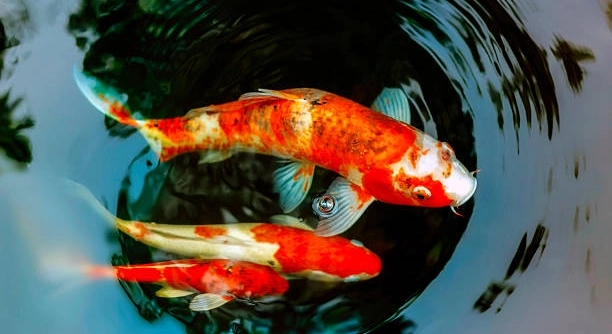
Koi fish are popular for their bright colors and calm nature. Many koi owners notice how these fish react to changes in their environment. Bright lights, in particular, seem to catch their attention and influence their behavior.
Koi fish respond to bright lights by becoming more alert and active. Bright illumination can cause changes in their swimming patterns and may trigger stress or curiosity depending on the intensity and duration of exposure.
Understanding how light affects koi fish helps owners create a healthier, more comfortable environment for their aquatic pets. This knowledge can improve both their care and the fish’s well-being.
How Koi Fish Detect Bright Light
Koi fish use their eyes to detect changes in light intensity around them. Their vision is quite sensitive, allowing them to notice sudden brightness or dimness in their environment. When exposed to bright light, koi tend to move toward shaded or darker areas to protect their eyes and avoid discomfort. This behavior is natural and helps them avoid potential harm caused by excessive light exposure. Bright lights can also affect their feeding times since koi are more active when the lighting conditions feel safe and comfortable. Over time, koi can adapt to consistent lighting changes, but sudden bright flashes may startle them. It’s important to observe how your koi respond to different light levels, especially if you use artificial lighting in your pond or aquarium. Proper lighting balance supports their health and promotes normal activity patterns, ensuring they stay calm and thrive.
Koi fish have light-sensitive cells that allow them to adjust to changing brightness. This helps them stay comfortable in their environment.
Lighting plays a key role in koi behavior and health. Bright light can trigger stress, causing koi to seek shelter or reduce movement. Too much light might interfere with their sleep cycles, impacting growth and immunity. Conversely, gentle and steady lighting encourages normal feeding and active swimming. It is best to use indirect or diffused light sources in koi habitats to mimic natural conditions. Watching koi responses helps gauge if the lighting is suitable. Adjusting light intensity gradually allows koi to acclimate better, reducing stress. Creating shaded areas within the pond also gives koi options to regulate their exposure. Maintaining a balance in light ensures koi remain healthy, active, and visually vibrant throughout the day and night.
Effects of Bright Light on Koi Behavior
Bright light can cause koi to become restless or hide more often. It influences how they swim and interact with their environment.
When koi are exposed to bright light, they often change their usual behavior patterns. Many koi may swim faster or dart away from the light source, indicating a stress response. Others may stay near the pond’s edges or under floating plants where light is less intense. Bright light can also reduce their appetite temporarily, as koi tend to feed better under softer lighting. In some cases, prolonged exposure to strong light can weaken their immune system by causing chronic stress. It is important to balance light exposure by providing shaded spots and controlling artificial light duration. Koi that feel secure in their environment show calmer swimming and steady feeding habits. Observing these changes helps koi owners adjust lighting to improve overall comfort and well-being for their fish.
Managing Light Exposure for Koi
Controlling the amount of light koi receive is important for their comfort. Too much bright light can cause stress, while too little light may affect their activity levels and health.
To manage light exposure effectively, consider using natural shade from plants or installing floating covers in the pond. These options reduce harsh sunlight and create comfortable spots for koi to rest. If using artificial lighting, keep it gentle and avoid shining it directly into the water for long periods. Timers can help maintain a regular day-night cycle, supporting koi’s natural rhythms. Gradual changes in lighting conditions allow koi to adjust better without sudden stress. Keeping these points in mind helps maintain a balanced environment where koi feel safe and active.
Lighting adjustments should be made with koi behavior in mind. Observing their reactions to changes helps determine if light levels are appropriate. If koi hide more or stop eating, the lighting might be too intense. Consistency is key; sudden shifts in brightness can startle them. By providing options for light and shade, koi can choose their preferred spots, improving their overall well-being.
Benefits of Proper Lighting in Koi Ponds
Proper lighting enhances koi’s natural colors and supports healthy growth. Balanced light encourages normal behavior and reduces stress.
Correct lighting helps maintain koi’s circadian rhythms, ensuring they rest and feed properly. When koi are exposed to the right amount of light, their immune systems strengthen, and their vibrant colors become more visible. Avoiding harsh or direct light prevents damage to their sensitive eyes and skin. Balanced lighting also promotes algae control in the pond, which benefits water quality. Adjusting light duration and intensity helps koi maintain a natural daily routine, contributing to their long-term health. Taking care with lighting is a simple but effective way to improve koi pond conditions.
Light Sensitivity in Koi Fish
Koi have delicate eyes that can be sensitive to sudden or intense light. This sensitivity helps them avoid harm but can also cause stress if lighting is too harsh.
Bright flashes or direct sunlight can overwhelm their vision. Providing shaded areas is essential to protect their eyes and keep them comfortable.
How Light Affects Koi Feeding Patterns
Koi tend to feed more actively under moderate, natural lighting conditions. Too much bright light can make them shy away from food, while dim or inconsistent lighting may reduce their appetite. Consistent, gentle light encourages regular feeding habits and supports healthy growth.
Artificial Lighting and Koi
Artificial lights should mimic natural daylight as closely as possible. Using soft, indirect lighting reduces stress and helps koi maintain normal behavior patterns. Avoid strong, continuous light exposure at night to preserve their natural rhythm.
FAQ About How Koi Fish Respond to Bright Lights
Why do koi fish avoid bright lights?
Koi fish avoid bright lights because their eyes are sensitive to intense illumination. Bright light can cause discomfort and stress, making them swim away or hide. In nature, koi stay under plants or in shaded areas during peak sunlight to protect their eyes. Artificially bright environments can trigger the same natural response, encouraging koi to seek shelter or darker corners of the pond.
Can bright lights harm koi fish?
Yes, prolonged exposure to very bright light can harm koi fish. Their sensitive eyes can suffer damage, and constant bright light can cause stress that weakens their immune system. Stress from harsh lighting may lead to behavioral changes, reduced appetite, or illness. Providing shaded spots and controlling light intensity helps prevent these problems and keeps koi healthier.
How can I reduce stress caused by bright light in my koi pond?
Reducing stress involves managing the light environment carefully. Use floating plants or pond covers to create shaded areas where koi can rest. If you use artificial lights, choose softer bulbs and avoid shining them directly on the water for long periods. Installing timers to mimic natural day-night cycles also helps koi adjust better and stay calm.
Do koi fish prefer natural sunlight or artificial light?
Koi generally prefer natural sunlight because it varies gently throughout the day, mimicking their natural environment. However, they can adapt to artificial lighting if it is soft and consistent. Harsh artificial lights can cause stress, so it’s important to use indirect or diffused lighting that resembles daylight without being too intense.
How does lighting affect koi feeding behavior?
Lighting directly influences koi feeding habits. Bright, harsh light may make koi less willing to come out and eat, as they feel exposed or stressed. Moderate, natural light encourages koi to swim actively and feed regularly. Maintaining a stable light routine helps koi feel secure during feeding times, promoting healthy growth and activity.
What types of lighting are best for koi ponds?
The best lighting for koi ponds is soft, diffused, and adjustable. LED lights with dimming options work well because they allow control over brightness levels. Avoid high-intensity floodlights or direct beams. Natural sunlight filtered through plants is ideal. Use timers to ensure koi experience periods of darkness, which are essential for rest.
Can sudden changes in light shock koi fish?
Yes, sudden changes like turning on a bright light or a quick flash can startle koi fish. This can cause them to swim erratically or hide. Gradual changes in light intensity are better because koi can adjust slowly. Keeping lighting consistent helps reduce stress and supports stable behavior patterns.
Is it harmful to keep koi ponds lit at night?
Keeping koi ponds lit all night is not recommended. Constant light disrupts koi’s natural day-night rhythm and can cause stress. Nighttime darkness is important for rest and recovery. If lighting is needed for aesthetics or safety, use low-intensity, indirect lights on timers to minimize impact on koi.
How can I tell if my koi are stressed by lighting?
Signs of stress from lighting include koi hiding more often, reduced appetite, unusual swimming patterns, or lethargy. Koi may also try to escape brightly lit areas or show duller colors. Observing these behaviors helps identify if lighting adjustments are needed to improve their comfort.
What role does lighting play in koi health beyond behavior?
Lighting affects koi health by influencing their immune system and metabolism. Proper light cycles support hormone balance, growth, and overall vitality. Poor lighting can increase stress hormones, weakening immunity and making koi prone to disease. Balanced lighting is a simple yet crucial factor in maintaining koi’s long-term health and appearance.
Bright light affects koi fish in many ways. Their eyes are sensitive, so strong light can make them feel uncomfortable or stressed. When koi notice bright light, they often swim away or find shaded places to hide. This is a natural reaction that helps protect their eyes and keeps them safe. Understanding how koi respond to light is important for anyone who cares for these fish. By controlling the lighting in their pond or aquarium, owners can help koi stay calm and healthy. Proper light balance also supports koi behavior, feeding, and overall well-being.
It is important to provide a good mix of light and shade in koi environments. Natural sunlight is best when it is not too strong, and plants or covers can help create safe shaded spots. If artificial lights are used, they should be soft and indirect to avoid causing stress. Timers can help keep lighting steady and consistent, mimicking natural day and night cycles. When koi have options to choose where they swim, they can regulate their own comfort by moving toward lighter or darker areas. This helps them feel secure and reduces negative effects caused by sudden or bright light changes.
Caring for koi means paying attention to their reactions to light and adjusting the environment as needed. Stress from too much light can affect their appetite, health, and behavior, but the right lighting helps koi grow strong and show their beautiful colors. Keeping an eye on how koi behave when lights change is an easy way to know if adjustments are needed. Balanced lighting is one of the simple but important steps in creating a healthy pond where koi can thrive and live happily for many years.

Hello,
If you enjoy the content that we create, please consider saying a "Thank You!" by leaving a tip.
Every little bit helps us continue crafting quality advice that supports the health, happiness, and well-being of pets around the world, for pets of all shapes, sizes, and species.
We really appreciate the kindness and support that you show us!