
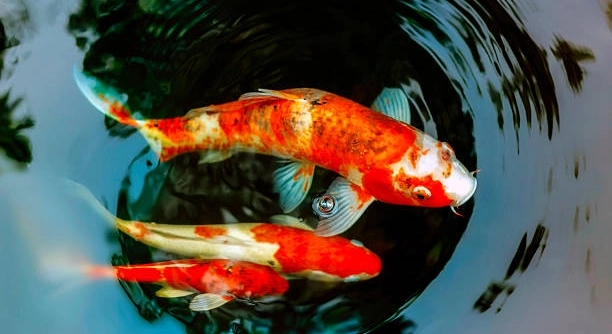
Koi fish can face several challenges during the summer months. Warm weather, changes in water quality, and increased activity around the pond all contribute to their stress levels. Recognizing these stressors is important for maintaining healthy koi.
Seven common situations cause stress in koi during summer: elevated water temperatures, low oxygen levels, poor water quality, excessive algae growth, sudden weather changes, overcrowding, and improper feeding. These factors negatively impact koi health and behavior, requiring careful management.
Identifying these stressors helps protect koi and maintain a balanced pond environment throughout the hot season. Proper care ensures their well-being and longevity.
Elevated Water Temperatures
During summer, pond water temperatures often rise beyond the ideal range for koi. These fish thrive best in cooler water between 65°F and 75°F. When temperatures climb above 80°F, koi experience stress, leading to weakened immune systems and increased susceptibility to disease. Warm water holds less oxygen, which further complicates their ability to breathe comfortably. It is important to monitor water temperature regularly, especially during heatwaves. Providing shade over the pond and using aeration devices can help keep temperatures in check. Avoid overcrowding the pond, as this raises water temperature and lowers oxygen levels. Careful management during hot months ensures koi remain healthy and active despite the heat.
High temperatures reduce dissolved oxygen, which can cause koi to gasp at the water’s surface or become lethargic. This behavior signals immediate action is necessary to improve pond conditions.
Maintaining stable temperatures is vital. Using shade cloths, floating plants, or installing fountains can cool the water. Regular water changes with cooler water can also reduce heat. Keeping the pond environment balanced helps koi withstand summer’s high temperatures without added stress or health risks.
Low Oxygen Levels
Koi require sufficient oxygen for healthy metabolism and immune function. In summer, oxygen levels in pond water often decrease due to higher temperatures and stagnant conditions. Low oxygen can cause koi to show signs of distress such as rapid gill movement or staying near the surface. Proper aeration through fountains, waterfalls, or air pumps increases oxygen circulation. These methods also prevent water stagnation, limiting harmful bacteria growth. Avoid overcrowding, as too many fish consume oxygen quickly, depleting the supply. Feeding koi sparingly reduces waste buildup, which can lower oxygen through bacterial decomposition. Monitoring oxygen levels with a test kit helps maintain a healthy environment. Increasing aeration and reducing stressors protect koi from the effects of oxygen depletion during summer months.
Poor Water Quality
Poor water quality causes significant stress for koi, especially in summer when waste and debris accumulate quickly. Ammonia and nitrite levels can rise, harming fish health. Regular testing and water changes are necessary to keep these toxins low. Proper filtration supports a balanced pond environment.
Maintaining clear, clean water requires removing debris such as leaves and uneaten food regularly. Filtration systems should be cleaned and checked often to ensure they function properly. High temperatures accelerate waste buildup and promote harmful bacteria growth. Testing water parameters like pH, ammonia, nitrite, and nitrate is essential to detect imbalances early. Addressing issues promptly prevents stress and disease in koi. Using biological filters and beneficial bacteria supplements can improve water quality naturally, supporting koi health during summer.
Consistent maintenance prevents sudden water quality changes that cause stress. Even minor imbalances can reduce koi immunity and increase vulnerability to infections. Keeping the pond water stable and clean supports koi’s overall well-being and helps them tolerate summer conditions better.
Excessive Algae Growth
Algae thrives in warm summer conditions and can quickly overtake a pond, reducing oxygen levels and clarity. Dense algae blooms limit sunlight and deplete oxygen, stressing koi. Controlling algae is essential for a healthy pond ecosystem.
Preventing excessive algae growth begins with reducing nutrient sources, especially phosphates and nitrates from fish waste and decaying organic matter. Introducing floating plants like water lilies can shade the pond and limit sunlight that fuels algae. Mechanical removal and careful use of algaecides help control blooms but should be done cautiously to avoid harming koi. Aeration improves oxygen levels and water movement, disrupting algae growth. Regular pond maintenance and avoiding overfeeding reduce nutrients that encourage algae. Balancing plant life and filtration creates a stable environment, minimizing algae problems during hot months.
Managing algae protects koi by maintaining oxygen levels and preventing toxins from accumulating in the water. Clear water enhances koi activity and reduces stress caused by poor habitat conditions. Consistent control measures ensure the pond remains healthy and visually appealing throughout summer.
Sudden Weather Changes
Rapid weather shifts can shock koi, affecting their behavior and health. Changes in temperature or storms disrupt water conditions and stress fish.
Koi are sensitive to fluctuations in temperature and water chemistry caused by rain or wind. Maintaining stable pond conditions reduces this impact.
Overcrowding
Too many koi in one pond limits swimming space and depletes oxygen. Overcrowding increases waste buildup, worsening water quality and stressing the fish. Monitoring fish population density is important for koi health and comfort.
Improper Feeding
Feeding koi too much or the wrong type of food leads to poor digestion and excess waste. Overfeeding reduces water quality and can cause health issues. Feeding should be balanced and suited to koi needs.
Sudden Water Chemistry Shifts
Quick changes in pH, ammonia, or other chemicals harm koi health. These shifts occur from untreated water additions or neglecting pond maintenance. Regular testing and gradual adjustments prevent stress and illness.
What causes koi to stress during summer?
Koi stress during summer mainly due to high water temperatures, low oxygen levels, poor water quality, excessive algae growth, sudden weather changes, overcrowding, and improper feeding. Each factor affects their health and comfort, making them more vulnerable to disease and lethargy.
How can I tell if my koi are stressed?
Signs of stress include gasping at the water surface, sluggish movement, loss of appetite, clamped fins, and visible changes in color or behavior. Observing these signs early helps prevent serious health problems by addressing the underlying causes promptly.
Why is water temperature so important for koi?
Koi prefer water between 65°F and 75°F. Higher temperatures reduce oxygen levels and increase metabolic rates, which stresses fish and weakens their immune system. Keeping water cool and aerated is key to reducing heat stress in summer.
How do I keep oxygen levels sufficient in my pond?
Use aeration devices like fountains, waterfalls, or air pumps to improve oxygen circulation. Avoid overcrowding and overfeeding, both of which reduce dissolved oxygen. Regular testing can help you monitor oxygen levels and take action before they drop too low.
What is the best way to maintain water quality in summer?
Regularly remove debris, test water parameters, perform partial water changes, and maintain your filtration system. Avoid overfeeding and overcrowding to reduce waste buildup. Adding beneficial bacteria supplements can support natural biological filtration.
How can I control algae growth effectively?
Reduce nutrients by removing decaying matter and avoiding excess feeding. Introduce aquatic plants to shade the pond and limit sunlight exposure. Use mechanical removal or safe algaecides cautiously. Proper aeration and filtration help prevent excessive algae buildup.
Can sudden weather changes harm my koi?
Yes, rapid temperature or chemical shifts caused by storms or heavy rain can shock koi, disrupting their biological balance. Maintaining stable water conditions and monitoring weather forecasts can help reduce this risk.
What are the risks of overcrowding koi?
Overcrowding causes stress by limiting swimming space and reducing oxygen availability. It also increases waste, which degrades water quality and promotes disease. Keeping an appropriate number of fish for your pond size is essential.
How should I feed koi during summer?
Feed koi smaller amounts more frequently, using high-quality food suitable for warm weather. Avoid overfeeding to prevent waste buildup and water pollution. Adjust feeding based on koi activity and water temperature.
What happens if water chemistry changes suddenly?
Rapid shifts in pH, ammonia, or other chemicals stress koi, causing health issues or death. Such changes often result from untreated water additions or poor maintenance. Testing water regularly and making gradual adjustments keeps the environment safe.
How often should I test my pond water?
Testing at least once a week during summer is recommended. More frequent testing may be necessary during heatwaves or after adding fish or plants. Consistent monitoring allows early detection of problems and timely corrective action.
Are there natural ways to reduce koi stress?
Yes, providing shade, proper aeration, maintaining water quality, and balancing fish numbers all help reduce stress. Introducing aquatic plants also improves water conditions and creates hiding spots, which koi find calming.
What should I do if my koi show signs of illness?
Immediately check water quality and oxygen levels. Isolate sick fish if possible to prevent spread. Consult a veterinarian or koi specialist for diagnosis and treatment options. Early intervention improves chances of recovery.
Can stress affect koi breeding in summer?
Stress reduces koi’s reproductive ability by weakening their immune system and disrupting normal behavior. Maintaining optimal conditions supports healthy breeding cycles and successful spawning during warmer months.
How important is pond maintenance in summer?
Pond maintenance is critical during summer due to faster changes in water temperature and quality. Regular cleaning, testing, and equipment checks prevent problems that cause stress and disease in koi, ensuring a healthy environment.
Final Thoughts
Keeping koi healthy during summer requires attention to many details. High temperatures, water quality, and pond conditions all play important roles in how koi respond to the season. Stress can weaken koi, making them more vulnerable to illness. It is essential to maintain stable water conditions, control algae growth, avoid overcrowding, and provide proper feeding. These efforts help koi stay comfortable and active even when summer heat is at its peak.
Regular pond maintenance is key to preventing stress in koi. Testing water frequently for parameters such as temperature, oxygen, pH, ammonia, and nitrites helps detect problems early. Removing debris and managing algae also supports a healthier pond environment. Proper filtration and aeration ensure the water remains clear and oxygenated. Feeding koi the right amount of food prevents waste buildup that can harm water quality. Taking these steps consistently protects koi from common summer stresses and helps maintain their overall well-being.
Understanding how different factors affect koi during summer allows for better care and prevention of problems. Stress does not always show immediately, but it can quietly impact fish health. Watching for changes in koi behavior or appearance provides clues that something may be wrong. By creating a stable, clean, and well-balanced pond environment, koi will be better equipped to handle summer challenges. Careful attention to their needs during warmer months will promote their long-term health and enjoyment in the pond.

Hello,
If you enjoy the content that we create, please consider saying a "Thank You!" by leaving a tip.
Every little bit helps us continue crafting quality advice that supports the health, happiness, and well-being of pets around the world, for pets of all shapes, sizes, and species.
We really appreciate the kindness and support that you show us!