
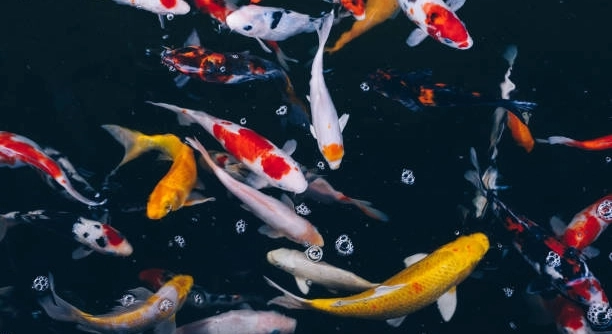
Caring for koi fish is a rewarding hobby enjoyed by many. Ensuring their safety is important to maintain their health and well-being. Proper handling helps prevent stress and injury to these beautiful aquatic creatures.
Handling koi fish safely requires gentle techniques, proper equipment, and careful attention to their behavior. Avoiding sudden movements, using soft nets, and keeping their environment stable are essential for minimizing harm and promoting fish welfare.
Knowing the right ways to handle koi fish will help you protect them and enjoy a thriving pond environment for years to come.
Preparing to Handle Your Koi Fish
Before you try to handle your koi fish, it’s important to get ready. Make sure your hands are clean and free from any lotions or chemicals. These substances can harm the delicate skin of the fish. Have a soft, fine mesh net ready to catch the koi if needed. It’s best to work in a calm and quiet space to reduce stress for the fish. Turn off any pumps or filters that might cause strong water currents. Also, avoid handling koi during very hot or cold weather, as sudden temperature changes can shock them. Preparing your equipment and environment carefully makes the process smoother and safer for both you and the fish.
Taking these steps shows respect for the koi’s health and safety, making handling less stressful overall.
When you prepare well, you reduce risks and keep your koi calm during any necessary handling. This helps them stay healthy and strong.
Using the Right Tools
Using proper tools is key to handling koi fish safely. A soft net helps you catch the fish gently without damaging their scales or fins. Avoid rough or hard nets, as these can cause injuries. Gloves can protect your hands but should be wet to prevent removing the fish’s protective slime coat. A clean bucket with water from the pond can temporarily hold the koi if needed. Avoid tools that cause unnecessary stress or harm. Using the right equipment makes the whole process safer and easier for both you and your koi fish. Always choose items designed specifically for delicate aquatic life. This simple care helps keep your koi healthy over time.
Gentle Handling Techniques
Koi fish have delicate bodies, so handling them gently is essential. Avoid squeezing or gripping them tightly, which can cause injury or stress.
When lifting koi, support their body evenly with both hands. One hand should cradle the belly while the other supports near the tail. Keep movements slow and smooth to prevent startling the fish. Never lift koi out of water for longer than necessary, as they rely on water for breathing. Handling them carefully reduces the chance of damage to their scales or fins and helps keep them calm throughout the process. Remember, koi are sensitive creatures that respond to how you treat them.
Keeping koi in water as much as possible while handling helps protect their health. Minimizing out-of-water time is always safer.
Avoiding Stress During Handling
Stress weakens koi fish and makes them vulnerable to illness. It’s important to limit stress whenever you handle them. Speak softly and move slowly around your pond or tank to create a calm environment. Bright lights and loud noises can increase stress, so try to minimize these during handling. Make sure the water temperature stays stable, as sudden changes can shock the fish. Limit handling time to reduce discomfort and avoid unnecessary handling whenever possible. Using quiet and gentle methods helps koi stay relaxed, which improves their overall well-being and recovery after handling.
Keeping Your Hands Wet
Always wet your hands before touching koi fish. Dry hands can remove their protective slime coat, which guards against infections.
Wet hands help koi feel more comfortable and reduce the risk of damage to their skin and scales during handling.
Handling Sick or Injured Koi
Handle sick or injured koi with extra care to avoid worsening their condition. Use a soft net and keep the fish in water as much as possible. Be gentle and avoid unnecessary movements. If needed, consult a vet for proper treatment to support recovery and healing.
Returning Koi to the Water
Gently place koi back into the water to avoid injury. Avoid dropping or tossing the fish. Support their body until they swim away calmly.
Monitoring After Handling
Watch your koi closely after handling for signs of stress or injury. Immediate attention helps prevent problems.
How often should I handle my koi fish?
Handling koi fish should be kept to a minimum. Frequent handling can cause stress and make the fish more prone to illness. Only handle koi when necessary, such as for pond maintenance, health checks, or treatment. When you do handle them, be calm and gentle to reduce stress.
Can I touch koi fish with dry hands?
It’s best to avoid touching koi with dry hands. Dry skin can damage their protective slime coat, which is essential for their health. Always wet your hands before touching koi to protect their delicate skin and scales. This small step helps prevent infections and keeps your fish healthier.
What is the best way to catch koi fish?
Use a soft, fine mesh net to catch koi fish gently. Avoid rough or metal nets that can harm their scales and fins. Move slowly and carefully when approaching the fish, so they don’t panic. Supporting the fish properly once caught helps prevent injury during handling.
How long can koi stay out of water?
Koi fish should be out of water for as short a time as possible, ideally less than a minute. They rely on water to breathe, and extended time out can cause serious harm. Plan ahead so handling is quick and efficient, minimizing their time out of the pond.
What should I do if my koi gets injured?
If your koi is injured, handle it gently to avoid further damage. Keep it in water as much as possible and avoid stressful movements. Clean water helps prevent infections. If the injury looks serious or doesn’t improve, contact a vet experienced with fish for advice or treatment.
Is it safe to wear gloves when handling koi?
Wearing gloves is okay as long as they are clean and wet. Dry gloves can remove the koi’s slime coat, just like dry hands. Some gloves may contain chemicals or rough textures that can harm the fish, so choose soft, fish-safe gloves to protect both you and your koi.
How can I reduce stress when handling koi?
Reduce stress by handling koi in a calm, quiet environment. Avoid loud noises, sudden movements, or bright lights. Use gentle motions and keep handling time short. Being patient and calm yourself will help the fish stay relaxed and safer during the process.
Should I quarantine new koi before adding them to the pond?
Yes, quarantining new koi is important to prevent introducing diseases to your pond. Keep new fish in a separate tank for at least two weeks. This allows you to observe their health and treat any illnesses before mixing them with your other koi.
Can koi fish be handled during cold weather?
It’s best to avoid handling koi during very cold or hot weather. Extreme temperatures can increase stress and cause shock. Wait for milder conditions or handle fish quickly and gently if necessary. Keeping water temperature stable is key to koi health.
How do I know if handling has harmed my koi?
Signs of harm after handling include torn fins, missing scales, unusual swimming patterns, or lethargy. If you notice any of these, check water quality and keep the fish comfortable. Early treatment can help prevent infection and support recovery.
What equipment is essential for safe koi handling?
Essential equipment includes a soft, fine mesh net, a clean bucket with pond water, and possibly wet gloves. Having everything ready before you start makes handling smoother and safer. Proper tools protect the fish from injury and reduce stress during the process.
Can koi fish become accustomed to handling?
Some koi may become less fearful with gentle, regular handling, but they are still delicate and require careful treatment. Building trust over time helps reduce stress, but always respect their sensitivity and handle them with care. Never force interaction or rough handling.
Handling koi fish safely is very important to keep them healthy and happy. These fish have delicate bodies and sensitive skin, so being gentle and careful makes a big difference. Using the right tools, like soft nets and wet hands, helps protect their slime coat, which is their natural defense against infections. Taking time to prepare before handling and working slowly reduces stress for the fish and lowers the risk of injury. When koi are handled well, they recover faster and stay strong.
It’s also key to limit how often koi are handled. Too much handling can cause stress, which weakens their immune system and makes them more likely to get sick. Only handle koi when it is necessary, such as for pond cleaning, health checks, or medical treatment. Even then, keeping the fish in water as much as possible and minimizing the time they spend out of it helps protect their well-being. A calm and quiet environment during handling also supports their comfort and reduces fear.
Finally, always watch your koi after handling to make sure they are doing well. Look for any signs of injury, unusual swimming, or stress. Prompt action can help prevent problems from getting worse. With patience and care, handling koi fish can be a safe and positive experience. By respecting their needs and treating them gently, you help ensure your koi stay healthy and beautiful for many years.

Hello,
If you enjoy the content that we create, please consider saying a "Thank You!" by leaving a tip.
Every little bit helps us continue crafting quality advice that supports the health, happiness, and well-being of pets around the world, for pets of all shapes, sizes, and species.
We really appreciate the kindness and support that you show us!