
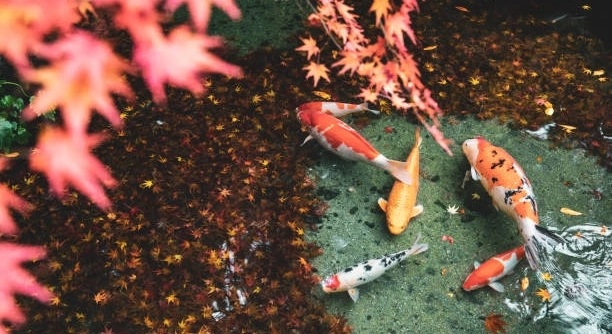
Koi fish are popular for their bright colors and graceful movements in garden ponds. They need the right environment to stay healthy, especially the right water temperature. Cold water can cause stress and health problems for koi fish.
When koi fish experience temperatures that are too low, their metabolism slows down significantly, leading to lethargy and weakened immune responses. Prolonged exposure to cold can cause physical stress, making them more vulnerable to disease and reducing their overall activity and appetite.
Knowing how to spot when your koi are too cold helps prevent serious issues. The signs can be subtle but important for their care and comfort.
How Koi Fish React to Cold Water
Koi fish are cold-blooded, which means their body temperature changes with their environment. When the water gets too cold, their bodily functions slow down. This affects how they swim, eat, and even breathe. You might notice your koi staying near the bottom of the pond or hiding in one spot more than usual. Their movements become sluggish, and they may stop eating altogether. Cold water also lowers their immune system, making it easier for illnesses to develop. It’s important to keep an eye on your pond’s temperature during colder months to protect your koi from these harmful effects. Maintaining water above 50°F (10°C) helps keep them active and healthy. Sudden drops in temperature are especially risky, so gradual changes are best.
Cold stress makes koi vulnerable to infections and slows healing, increasing risks in winter.
Understanding these changes allows you to better care for your koi as seasons shift and helps prevent long-term damage from cold exposure.
Common Signs of Cold Stress in Koi Fish
Koi that are too cold often show several clear signs. They may stop eating or swim slowly. Their fins might droop, and they could gather near pond heaters or shallow spots where the water is warmer.
When koi fish become cold, their metabolism slows, making them less active and less interested in food. You might see them lying at the bottom or floating near the surface without much movement. Their skin can lose some color vibrancy, appearing dull or faded. Sometimes, koi will stay close together in one area, trying to conserve warmth. These behaviors signal that the fish are uncomfortable and stressed by the temperature. If you spot these signs, checking your pond’s temperature and taking steps to warm the water gradually can help prevent further issues. Early attention ensures the koi recover faster and stay healthy through cold periods.
Behavioral Changes in Cold Koi
Cold koi often become inactive and may stop eating. They tend to stay in one spot, moving very little.
When koi fish get too cold, their metabolism slows, which makes them less energetic. They may spend more time at the pond’s bottom or hide in shaded areas. These fish often reduce their food intake because their digestive system works slower in cold water. This lack of movement and appetite can lead to weight loss and weakness if the temperature stays low for long periods. Watching how your koi behave can give you clues about their comfort level.
Changes in swimming patterns are also common. Cold koi might swim near the surface or in a tight group, trying to keep warm together. These signs are important to notice early to help adjust the pond environment.
Physical Symptoms to Watch For
Cold stress can cause koi to develop pale or faded colors. Their fins may look clamped or less spread out than usual.
In cold water, koi’s skin can lose its brightness because blood flow slows down. Their fins often appear tight against the body instead of spread wide, which is a sign of stress. Sometimes koi will develop white patches or mucus buildup as their immune system weakens in cold conditions. These physical changes are warning signs that your fish need warmer water or better protection from the cold. Regularly checking your koi’s appearance helps you spot problems before they get serious. Small changes can mean big issues if ignored, so acting quickly is best for their health.
Reduced Appetite in Cold Koi
Cold temperatures slow koi metabolism, causing them to eat less. This is a natural response to conserve energy during chilly weather.
A lack of appetite over a long time can lead to weakness. It’s important to monitor their feeding habits closely when the water is cold.
Slowed Movement and Lethargy
Koi fish become sluggish in cold water because their muscles and organs slow down. They may float or rest at the pond bottom for long periods without much movement.
This lethargy makes koi more vulnerable to predators and disease. Keeping the water temperature stable helps maintain their activity and overall health during colder months.
Seeking Warmer Areas
Koi often gather near pond heaters, inflows, or shallow spots where the water is warmer. This behavior helps them regulate their body temperature naturally.
Watching where your koi spend most of their time can give important clues about the pond’s temperature and their comfort levels.
How cold is too cold for koi fish?
Koi fish thrive best in water temperatures between 59°F and 77°F (15°C to 25°C). When temperatures drop below 50°F (10°C), koi start to slow down significantly. Prolonged exposure to water colder than 45°F (7°C) can cause serious stress and health problems. Keeping the pond above these temperatures helps prevent metabolic issues and immune system decline.
What happens if koi get too cold?
If koi become too cold, their metabolism slows down, leading to lethargy and reduced appetite. Their immune system weakens, making them more prone to infections and diseases. Cold koi often show physical signs like faded colors and clamped fins. Without intervention, cold stress can lead to long-term health problems or even death.
How can I tell if my koi fish are too cold?
Look for slow movements, reduced or no feeding, and fish gathering near warmer parts of the pond. Pale or dull skin and clamped fins are physical signs. Also, koi might stay near inflows or pond heaters. Monitoring behavior and appearance regularly is key to spotting cold stress early.
Should I feed koi during cold weather?
Feeding should be reduced or stopped when water temperatures fall below 50°F (10°C). Koi digestion slows, so they cannot process food properly. Overfeeding in cold water can lead to poor water quality and health issues. Once temperatures rise above 50°F, you can gradually resume feeding small amounts.
How can I keep my koi warm in winter?
Use pond heaters or de-icers to maintain a safe temperature, especially if your pond is deep or large. Adding floating solar covers or pond blankets can reduce heat loss. Keeping part of the pond ice-free allows gas exchange, which is vital for koi survival in freezing conditions.
Can koi survive freezing temperatures?
Koi can survive cold weather if their pond doesn’t freeze solid. A pond that freezes over completely can suffocate fish by blocking oxygen exchange. Using pond heaters or aerators to keep a hole in the ice is essential. Deep ponds also help, as water near the bottom stays warmer.
How quickly should I warm cold koi water?
Increase water temperature gradually to avoid shocking the fish. Sudden changes can cause stress or shock, which is harmful. Aim to raise temperature by about 1–2°F (0.5–1°C) per day. Patience is important to ensure koi adjust safely to warmer conditions.
What are the risks of cold stress in koi?
Cold stress lowers immunity, increasing the chance of bacterial and fungal infections. It slows healing and recovery from injuries. Prolonged cold can cause organ failure or weakened heart function. Preventing cold stress is crucial for keeping koi healthy during cooler months.
Is it normal for koi to hide during cold weather?
Yes, koi tend to hide or rest near the pond bottom during cold spells. This behavior conserves energy and reduces exposure to colder surface water. However, if koi remain inactive for too long or show other signs like loss of appetite, it could indicate they are too cold and stressed.
Can I use a heater all year round?
Using a heater year-round isn’t necessary and can be costly. Koi are adapted to seasonal changes and do fine within a safe temperature range. Heaters are most useful during winter or sudden cold snaps to prevent dangerous temperature drops. Proper pond design and insulation can reduce the need for constant heating.
Koi fish are beautiful and calming creatures that need the right care to stay healthy. One important part of their care is keeping their water temperature in a good range. When the water gets too cold, koi can become stressed and sick. This can lead to many problems like slow movement, loss of appetite, and weakened immune systems. Paying close attention to the signs of cold stress can help koi owners take action early. By watching their behavior and appearance, you can make sure they stay safe and comfortable during colder months.
Keeping your koi pond at a safe temperature is very important. If the water drops too low, the fish’s body slows down and they do not act like usual. They may stop eating and move very little, which can weaken them over time. It is also common for koi to lose their bright colors and look pale when they are too cold. Using heaters or pond covers can help keep the water warmer, especially in winter. It’s also good to keep part of the pond free of ice so the fish can get enough oxygen. Small steps like these can make a big difference in how your koi handle cold weather.
Being careful with feeding during cold times is also key. Koi don’t need much food when the water is cold because their digestion slows down. Overfeeding in cold water can harm both the fish and the pond environment. When the temperature rises again, you can slowly start feeding them more. Keeping your koi healthy in cold weather is about understanding how they react to changes and giving them what they need. With the right care, koi fish can live long and strong even when the temperature drops.

Hello,
If you enjoy the content that we create, please consider saying a "Thank You!" by leaving a tip.
Every little bit helps us continue crafting quality advice that supports the health, happiness, and well-being of pets around the world, for pets of all shapes, sizes, and species.
We really appreciate the kindness and support that you show us!