
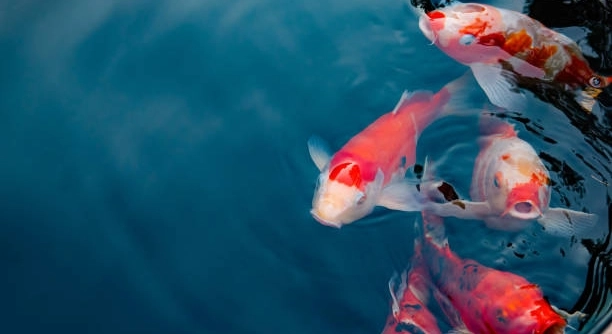
Koi fish are beautiful creatures that live in ponds all around the world. They often swim close to the edges, rarely spending much time in the center. This behavior can seem puzzling to many pond owners and enthusiasts alike.
Koi fish avoid the middle of the pond primarily due to feeling vulnerable in open water, where they have fewer hiding places and are more exposed to predators and stress. The edges offer shelter, safety, and easier access to food and plants.
Understanding why koi prefer certain pond areas helps maintain their comfort and health. Exploring this behavior reveals important tips for creating a better environment for these graceful fish.
The Role of Safety and Shelter
Koi fish naturally seek safety in their environment. The middle of a pond is usually wide open, with little cover or protection. This makes koi feel exposed to potential threats like birds or other animals. Around the edges, there are plants, rocks, and decorations that give koi places to hide and feel secure. When koi feel safe, they are more relaxed and healthy. The edges also provide easy access to food that might fall near the pond’s perimeter. If the pond is deep, koi may avoid the center because they feel less in control of their surroundings. The bottom of the pond can sometimes be murky, making the middle less inviting. Overall, koi naturally gravitate toward spots where they can rest, feed, and avoid danger without wasting energy.
Koi rely heavily on their instincts to stay protected, so pond design plays a key role in their behavior.
Proper shelter and environment support koi’s well-being and encourage them to explore more of their pond.
Water Quality and Temperature
Water conditions are important for koi comfort. The middle of the pond often has different temperature levels compared to the edges. Water near the surface and edges warms faster, which koi prefer. Cooler, deeper water in the center may feel less comfortable for them. Koi also avoid areas where the water flow is strong or uneven, which can sometimes happen in the middle of a pond. The edges tend to have calmer water, making it easier for koi to swim and rest. Additionally, water quality near the edges can be better due to plants filtering and oxygenating the water. Poor water quality in open areas might cause koi to avoid the center. Regular pond maintenance helps keep the entire pond inviting for koi.
Creating a stable and comfortable environment encourages koi to explore and stay healthy. Understanding how temperature and water quality affect koi can guide better pond care and design choices.
Influence of Predator Presence
Koi instinctively avoid open areas where predators can easily spot them. The center of the pond offers little cover, making koi feel vulnerable to birds and other threats. Staying near the edges helps them stay alert and protected.
Predators like herons and kingfishers often hunt by scanning open water. When koi stay near plants or rocks, they reduce the risk of attack. This behavior is natural and helps koi survive in outdoor ponds. Even in safe environments, koi keep these instincts. Knowing this can help pond owners create spaces where koi feel secure by adding hiding spots and overhangs. This encourages koi to swim freely without fear.
In ponds without enough shelter, koi tend to stay hidden and may become stressed or less active. Providing predator protection and thoughtful design improves koi’s confidence and activity levels.
Social Behavior and Territory
Koi are social fish but also maintain personal space. The middle of the pond can feel too open and exposed for comfortable social interaction. Edges allow koi to form loose groups while having room to retreat.
Koi often set small territories near plants or structures. This helps reduce conflict and stress. When koi have clear boundaries, they interact peacefully. In the open center, koi may feel more vulnerable and less inclined to socialize. Designing ponds with plants and hiding places helps koi establish these territories. It also gives them areas to rest or escape if needed. Observing koi behavior can guide how to arrange the pond for better harmony among the fish. Providing a balance between open space and shelter encourages natural social patterns.
Light and Shadow Effects
Koi tend to avoid brightly lit areas in the middle of the pond. They prefer shaded spots near plants or structures that offer relief from strong sunlight. Shadows create a sense of security and comfort.
Too much direct light can stress koi and make them feel exposed. Shade helps regulate their activity and reduces overheating, especially on hot days.
Feeding Habits and Food Availability
Koi usually find food near the pond’s edges where insects, plants, and leftovers accumulate. The middle often has less natural food, so koi spend more time near the shorelines searching for meals. This behavior keeps them close to safer, resource-rich areas.
Water Movement and Comfort
Strong currents or uneven water flow in the pond’s center can discourage koi from lingering there. They prefer calmer waters near the edges where swimming requires less effort and feels more secure.
Why do koi fish prefer the edges of the pond rather than the middle?
Koi fish feel safer near the pond’s edges because there are more hiding spots, such as plants, rocks, and decorations. These provide shelter from predators and help koi relax. The open middle of the pond lacks cover, making koi feel exposed and vulnerable. Edges also offer easier access to food, so koi naturally spend more time there.
Can koi fish swim in the middle of the pond safely?
Yes, koi can swim in the middle safely if the environment feels secure. In well-maintained ponds with good water quality, proper shelter, and low predator risk, koi might explore the center more often. However, instinct usually keeps them near safer edges unless the middle provides comfort through stable conditions.
Do predators affect koi behavior in ponds?
Predators have a strong influence on koi behavior. Birds like herons watch open water to catch fish. Koi avoid exposed areas to reduce the chance of being caught. Even in ponds with few predators, koi keep this natural behavior, staying close to shelter where they can hide quickly.
How does water temperature influence koi location in the pond?
Koi prefer warmer water near the edges because it heats faster in shallow areas. The middle of the pond is often cooler, especially if it is deeper. Since koi are cold-blooded, they move to spots where the temperature suits their comfort and metabolism better.
Does water quality affect where koi swim?
Yes, koi avoid areas with poor water quality. Plants and filtration near the edges improve oxygen levels and reduce debris. The middle may have stagnant or less oxygenated water, which koi find uncomfortable. Good water circulation throughout the pond encourages koi to explore more freely.
Why do koi need hiding places in their pond?
Hiding places protect koi from predators and reduce stress. They also help koi feel secure while resting or sleeping. When koi have places to retreat, they are calmer and healthier. Lack of cover can lead to hiding all the time or staying in one spot, which is not good for their well-being.
Can pond design encourage koi to swim in the middle?
Pond design can influence koi behavior by adding features like floating plants, submerged logs, or gentle water flow in the center. These elements create shelter and comfort even in open areas, encouraging koi to explore more. However, instinct will still guide them to safer spots unless the pond feels secure throughout.
How do koi interact socially in a pond environment?
Koi are social but also need personal space. They form loose groups near edges where they can establish territories. Open, exposed areas in the middle feel less safe, so koi avoid socializing there. Providing enough space and shelter helps reduce stress and conflict among koi.
What role does water movement play in koi pond behavior?
Calm water near the edges is preferred because it takes less effort to swim and feels more comfortable. Strong currents or uneven flow in the middle can tire koi or make them anxious. Proper water circulation without strong currents encourages koi to swim actively and explore.
How often should a pond be maintained to keep koi comfortable?
Regular maintenance is important. Cleaning filters, checking water quality, and removing debris help maintain healthy conditions. Proper care keeps oxygen levels stable and prevents algae buildup, which can affect koi comfort. Consistent upkeep makes the entire pond inviting for koi, including the middle areas.
Do koi fish avoid the middle due to stress or fear?
Yes, koi’s avoidance of the middle is largely linked to stress and fear. The open space offers no quick escape or hiding, making koi feel exposed to threats. This natural response helps them survive by staying close to safer zones where they can hide and rest.
What can I do to help koi feel more comfortable in the middle of the pond?
Adding plants, rocks, or floating features in the pond’s center can create shelter and shade. Ensuring water quality and temperature are balanced throughout the pond also helps. Avoiding strong currents or sudden disturbances makes the middle more inviting for koi to swim and explore without fear.
Does feeding koi near the edges affect their swimming habits?
Feeding koi near the edges reinforces their tendency to stay close to the shore. They associate the edges with food and safety, which keeps them from venturing far into open water. Offering food in different spots may encourage some movement but instincts usually keep them near cover.
Can koi adapt to ponds with little shelter or plants?
Koi can survive in ponds with minimal shelter but may be stressed or less active. Without hiding spots, they may hide constantly or stay near any available cover. Providing plants and decorations improves their quality of life, encourages natural behavior, and reduces stress-related health problems.
Koi fish have natural behaviors that guide where they like to swim and spend their time in a pond. One of the most noticeable habits is their tendency to avoid the middle of the pond. This happens because the open center lacks cover and makes them feel exposed to possible dangers. The edges of the pond provide shelter, shade, and food sources that make koi feel safe and comfortable. These natural instincts help koi protect themselves from predators and reduce stress, which is important for their health and well-being.
The design and maintenance of a pond have a big impact on how koi use the space. By adding plants, rocks, and other hiding places around the pond, owners can create an environment where koi feel secure. Water quality and temperature also play a key role. Koi prefer warmer, oxygen-rich water near the edges, while cooler or stagnant water in the center is less inviting. Good circulation and stable conditions encourage koi to explore more of the pond, but they will usually still prefer areas where they feel protected. Understanding these needs can help pond owners create a better habitat for their fish.
Ultimately, knowing why koi avoid the middle of the pond helps with caring for them properly. Providing shelter, good water conditions, and balanced food sources supports their natural behavior and keeps them healthy. Even if koi don’t spend much time in the open center, this is normal and part of their survival instinct. By respecting how koi naturally behave, it is easier to enjoy their beauty and maintain a thriving pond environment. Creating a space where koi feel safe and happy benefits both the fish and the pond owner.

Hello,
If you enjoy the content that we create, please consider saying a "Thank You!" by leaving a tip.
Every little bit helps us continue crafting quality advice that supports the health, happiness, and well-being of pets around the world, for pets of all shapes, sizes, and species.
We really appreciate the kindness and support that you show us!