
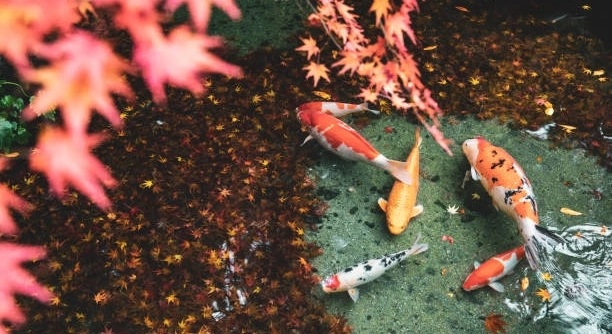
Keeping just one koi fish in a pond or tank may seem simple, but it brings specific challenges to their well-being and behavior. Koi are social creatures that thrive in groups, which affects their health and activity levels. Understanding this dynamic is important for anyone considering a single koi.
Koi fish require companionship to promote natural behaviors and reduce stress. Isolating a single koi can lead to loneliness, decreased immune function, and less vibrant coloration. Therefore, maintaining at least a small group supports their physical and psychological health effectively.
Exploring the effects of solitary living on koi will clarify how to provide a suitable environment for these elegant fish. This insight will help ensure their longevity and happiness in your care.
Effects of Keeping Only One Koi Fish
Keeping a single koi fish often leads to noticeable changes in behavior and health. Koi are naturally social animals that rely on interaction with others for stimulation. When alone, they tend to become less active and may even stop swimming as much. This lack of movement can cause stress, which weakens their immune system and makes them more vulnerable to diseases. Additionally, a solitary koi may show duller colors since social interaction plays a role in maintaining their vibrant appearance. The fish might also develop unusual behaviors such as hiding or excessive resting. These signs indicate the fish is not thriving as it would in a group. Providing at least two or three koi helps maintain a natural social structure, encouraging healthier activity levels and better overall well-being. A single koi is less likely to exhibit its full range of natural behaviors, which reduces its quality of life.
A lonely koi can experience significant stress, which negatively impacts its health and lifespan.
Ensuring koi have companions supports their social needs and encourages natural, healthy behavior. A group setting helps reduce stress, promotes activity, and sustains their bright coloration. It also mimics their environment in nature, where koi live in ponds with others of their species. Without this social interaction, a solitary koi’s behavior and health can decline over time. Their immune system weakens, making illness more likely. Fish owners who keep just one koi may notice less vibrant colors and slower swimming patterns. In contrast, koi in groups are more active and display brighter hues. This difference results from social stimulation, which promotes well-being. If space or budget limits the number of koi, it’s important to provide other forms of enrichment to keep the single fish engaged, such as plants or decorations. Still, having multiple koi is the ideal for maintaining a healthy, lively fish.
Alternatives to Keeping Only One Koi
Adding more koi is the best way to meet their social needs, but sometimes space or budget makes that difficult.
In cases where only one koi can be kept, creating an enriched environment becomes essential. Providing plenty of hiding spots, plants, and varied decorations helps stimulate the fish mentally and physically. Changing the layout occasionally can also keep the koi interested and active. Interacting gently during feeding times can encourage movement and reduce boredom. Maintaining excellent water quality and a balanced diet supports the fish’s health and stress levels. While these measures do not replace companionship, they help minimize some negative effects of isolation. It is important to monitor the fish closely for signs of stress or illness and adjust care as needed. In the long term, increasing the number of koi remains the best solution. Still, these alternatives offer practical ways to care for a single koi if adding others is not possible.
Space Requirements for Multiple Koi
Koi need ample space to swim and interact comfortably. A crowded pond causes stress and health problems.
For a small group of koi, the pond should hold at least 250 gallons per fish. This space allows them to swim freely, reduces territorial behavior, and keeps water quality stable. Limited space can lead to aggressive behavior and weakened immune systems. It’s important to consider the adult size of koi, which can reach over two feet. Even if koi start small, their space needs increase as they grow. Proper pond filtration and maintenance also play a key role in maintaining a healthy environment for multiple koi.
A larger pond with good filtration supports healthier koi by providing adequate space and clean water. Small tanks or overcrowded ponds are unsuitable for more than one koi.
Behavioral Changes When Keeping One Koi
A single koi fish may become withdrawn and inactive without companions. Social isolation impacts its natural behaviors.
Koi are instinctively social and enjoy interaction within groups. When alone, they may lose interest in swimming and feeding, becoming lethargic. This inactivity often results from boredom and lack of stimulation. A solitary koi’s reduced movement affects its overall health and appearance. Stress from isolation can lead to suppressed immune response, increasing susceptibility to disease. In contrast, koi kept in groups show more playful and active behavior. Providing enrichment helps, but it does not replace the benefits of social interaction with other koi. Observing changes in behavior is essential for adjusting care and improving the fish’s quality of life.
Feeding Considerations for a Single Koi
Feeding one koi is simpler but requires careful attention to avoid overfeeding. Uneaten food can pollute the water quickly.
Feeding should be done in small amounts multiple times a day. Watch the koi closely to ensure it eats all the food. Removing leftovers prevents water quality issues that can stress the fish.
Signs of Stress in a Solitary Koi
Stress in a lone koi can show through changes in color, appetite, and activity levels. Early detection is key to prevention.
Look for dull colors, reduced swimming, and hiding. These signs suggest the fish may be unhappy or unwell. Prompt action helps improve its condition.
Maintaining Water Quality for One Koi
Water quality is crucial, especially when only one koi is kept. Regular testing and cleaning are necessary.
A single koi produces less waste, but poor filtration or infrequent water changes can still harm its health. Consistent monitoring keeps the environment safe.
Benefits of Adding More Koi
Adding koi promotes natural behaviors and reduces stress. It creates a livelier, healthier pond environment.
FAQ
Can a single koi fish live happily alone?
A single koi can survive alone, but it often won’t thrive. Koi are social animals, so isolation can cause stress, boredom, and a weaker immune system. Without companions, they may become inactive and show duller colors. Providing an enriched environment helps, but multiple koi are best for happiness and health.
How many koi should I keep together?
At least two or three koi should be kept together to meet their social needs. A small group encourages natural behaviors like swimming, playing, and foraging. Keeping fewer than two can negatively affect their mental and physical well-being. The pond size should also be considered to avoid overcrowding.
What size pond do I need for multiple koi?
A general guideline is at least 250 gallons of water per koi. This space allows them to swim comfortably and reduces stress caused by territorial disputes. Larger ponds with proper filtration maintain water quality and support koi health better than small or crowded spaces.
Will a single koi get lonely?
Yes, koi can experience loneliness. Being social creatures, koi rely on interaction with others to stay mentally stimulated. Without company, they may become lethargic and stop showing natural behaviors. This loneliness can lead to health issues over time.
Can I keep a single koi with other types of fish?
You can keep a single koi with other compatible fish, but it won’t fully replace koi companionship. Other species provide some interaction, but koi have specific social behaviors that are best met with their own kind. Compatibility and pond conditions must also be considered.
How often should I feed a single koi?
Feed small amounts two to three times a day, enough for the koi to eat in a few minutes. Overfeeding can pollute the water and cause health problems. Watch the fish’s appetite and adjust feeding accordingly, especially if it is less active.
What are signs that a koi is stressed?
Signs of stress include faded colors, loss of appetite, reduced activity, and hiding. Stressed koi may also swim erratically or breathe rapidly at the water surface. Early detection and improving water quality or environment can reduce stress.
How do I keep a solitary koi entertained?
Add plants, rocks, and decorations to create hiding spots and stimulation. Changing the pond layout occasionally can spark interest. Feeding at different spots and interacting gently during feeding can also encourage activity and reduce boredom.
Is it harder to maintain water quality for a single koi?
Water quality must be carefully maintained regardless of the number of koi. A single koi produces less waste, but poor filtration or infrequent water changes can quickly harm its health. Regular testing and cleaning are essential.
What happens if a single koi is stressed for a long time?
Long-term stress weakens the immune system, making the koi prone to illness. It can lose weight, color, and become inactive, shortening its lifespan. Addressing stress factors quickly is necessary for recovery and well-being.
Can a single koi be aggressive?
Aggression is less common in a single koi since there are no competitors. However, stress or boredom can sometimes cause unusual behavior. Multiple koi can show territorial aggression, so a balanced group and enough space help reduce this.
What is the best way to introduce more koi to an existing single koi?
Introduce new koi gradually by quarantining them first to avoid disease. Slowly acclimate the newcomers to the pond temperature and environment. Monitor interactions closely to prevent fighting. Proper space and hiding places reduce stress during introduction.
Are there health risks specific to keeping one koi?
Isolation-related stress increases risks of infections and poor immune response. Lack of exercise due to boredom can lead to weaker muscles and slower metabolism. These risks highlight the importance of social interaction or proper environmental enrichment.
How long can koi live alone?
Koi can live many years alone if cared for properly, but their quality of life may suffer. Most koi live 20 to 30 years or more, but loneliness can shorten this due to stress and illness. Keeping a small group generally promotes longer, healthier lives.
What should I do if I must keep only one koi temporarily?
Provide an enriched environment with plants and decorations. Maintain excellent water quality and feed carefully. Interact gently during feeding to stimulate the fish. Plan to add companions as soon as possible to improve its social needs.
Keeping only one koi fish in a pond is possible, but it comes with certain challenges. Koi are naturally social animals, and being alone can affect their behavior and health. While a single koi can live without companions, it may not show its full, active personality. Loneliness can lead to stress, reduced activity, and changes in appetite or color. It is important to provide a well-maintained environment and some enrichment to help keep a solitary koi comfortable. Even with these efforts, the fish’s overall well-being might not match that of koi kept in groups.
Water quality is a key factor in caring for any koi, but it becomes even more critical when keeping only one. Because there is less waste produced, it might seem easier to maintain the pond. However, poor filtration or irregular water changes can quickly harm the fish’s health. Regular monitoring of water parameters such as ammonia, nitrite, and pH is essential. Proper feeding habits also support water quality by minimizing leftover food that can pollute the pond. Keeping the water clean and stable helps prevent stress and illness, which are common in isolated koi.
In the long term, providing company for koi is the best way to ensure their health and happiness. Multiple koi swimming together encourage natural behaviors like playing and exploring. They help each other stay active and mentally stimulated. If space or resources limit the number of fish, it is still beneficial to consider adding at least one more koi when possible. This addition improves the fish’s quality of life and can extend its lifespan. Overall, caring for koi with attention to their social and environmental needs leads to a healthier and more enjoyable pond experience.

Hello,
If you enjoy the content that we create, please consider saying a "Thank You!" by leaving a tip.
Every little bit helps us continue crafting quality advice that supports the health, happiness, and well-being of pets around the world, for pets of all shapes, sizes, and species.
We really appreciate the kindness and support that you show us!