
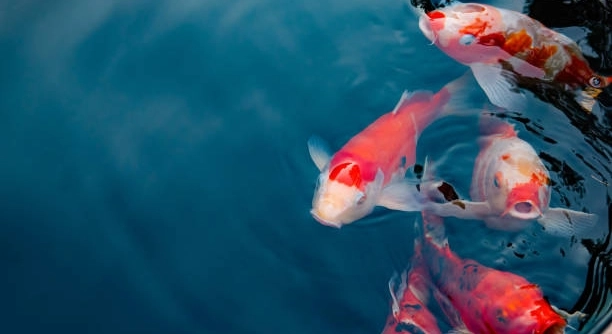
Many pond owners enjoy keeping koi for their beauty and calm presence. However, caring for these fish requires attention to their environment. Sometimes, additives used in ponds can unintentionally harm koi and affect their health.
Several common pond additives, such as certain algaecides, medications, and water treatments, can be toxic or stressful to koi. These substances may disrupt water chemistry, damage sensitive tissues, or interfere with natural biological processes essential for koi wellbeing.
Knowing which additives to avoid helps protect koi and maintain a healthy pond environment. This article will outline seven additives that often cause harm, offering clear guidance for better care.
Algaecides and Their Impact on Koi
Many pond owners use algaecides to control algae growth and keep water clear. While this seems helpful, some algaecides contain chemicals harmful to koi fish. These substances can irritate koi’s skin and gills, causing stress or illness. Algaecides often work by killing algae, but they may also affect beneficial bacteria that keep pond water balanced. Without these bacteria, water quality can decline, leading to poor health for koi. Overuse or improper application increases the risk of negative effects. It is important to read labels carefully and choose koi-safe options. Using natural methods like plants or UV filters can reduce reliance on chemical algaecides, supporting a healthier pond ecosystem. Monitoring water parameters regularly will help catch issues early and protect koi from harmful substances.
Algaecides can disrupt pond balance, damaging koi health by affecting their skin and water quality.
Choosing safe alternatives and careful application helps maintain a supportive environment for koi. This approach encourages long-term pond health and reduces the chance of unintended harm.
Antibiotics and Medications in Ponds
Medications intended to treat fish diseases often contain antibiotics that may be necessary at times. However, improper use can cause problems for koi. Overdosing or using the wrong medication can stress fish, disrupt natural bacteria, and create resistant bacteria strains. Antibiotics may also affect the pond’s filtration system, reducing its ability to keep water clean. It is crucial to follow veterinary advice when treating koi and avoid using human medications or unapproved chemicals. Some medications break down slowly, lingering in the water and causing longer-term harm. Regular water changes and careful dosing minimize risks. Understanding how to balance treatment and pond health ensures koi recover without unnecessary side effects or damage to the environment. Proper care preserves the delicate balance necessary for koi wellbeing.
Copper-Based Treatments
Copper is often used in pond treatments to control algae and parasites. However, copper is toxic to koi at high levels. Even small amounts can accumulate and cause stress or organ damage. Testing copper levels regularly is essential.
Copper harms koi by interfering with their gill function and oxygen absorption. Toxicity symptoms include lethargy, loss of appetite, and increased mucus production. Chronic exposure weakens koi immune systems, making them prone to disease. While copper can control pests, it requires careful dosing and monitoring. Using copper-based treatments sparingly or avoiding them when koi are present protects fish health.
Some alternative treatments provide safer options. Removing excess organic matter or using plants helps control algae naturally. Ultraviolet sterilizers reduce parasites without adding chemicals. Maintaining a balanced ecosystem reduces the need for harsh treatments, supporting koi longevity and wellbeing.
pH Adjusters and Water Conditioners
pH adjusters quickly change water acidity or alkalinity to maintain pond balance. Sudden shifts in pH can shock koi and damage their skin and gills. Consistent pH monitoring prevents dangerous fluctuations.
Water conditioners often contain chemicals to neutralize chlorine or heavy metals. Some conditioners include additives harmful in excess or with prolonged use. Overuse of conditioners may alter water chemistry beyond safe levels for koi. Understanding product ingredients and dosage instructions is necessary to avoid harm.
Natural methods such as regular water changes and aeration help stabilize water chemistry without excessive chemical use. Proper pond maintenance reduces the need for frequent adjustments. Using high-quality, koi-safe conditioners with correct dosing supports healthy water conditions and fish health.
Excessive Fertilizers
Fertilizers added to ponds to encourage plant growth can introduce harmful chemicals. High nutrient levels may lead to algae blooms that deplete oxygen, stressing koi.
Overuse of fertilizers disrupts pond balance. Nutrient overload encourages unwanted algae, which consume oxygen and harm fish. Careful application and choosing koi-safe products are necessary to avoid damaging pond health.
Hydrogen Peroxide Use
Hydrogen peroxide is sometimes used to control algae and bacteria. While effective, it can cause gill irritation and stress in koi if overdosed or applied incorrectly.
Chlorine and Chloramine
Chlorine and chloramine in tap water are toxic to koi. Using water conditioners to remove these chemicals before adding water to the pond is essential for koi safety.
FAQ
What are the safest alternatives to chemical algaecides for koi ponds?
Natural solutions like aquatic plants help reduce algae by competing for nutrients. Installing a UV sterilizer can control algae and parasites without harmful chemicals. Regular pond maintenance, including removing debris and excess organic matter, supports a balanced environment that naturally limits algae growth.
How can I safely use antibiotics or medications in my koi pond?
Always follow a veterinarian’s instructions closely for dosage and duration. Avoid using human medications or unapproved products. Treat only the affected fish or section of the pond if possible. After treatment, perform water changes to reduce medication residues and maintain healthy bacteria essential for pond filtration.
Why is copper harmful to koi, and how can I monitor it?
Copper affects koi by damaging their gills and reducing oxygen absorption. Toxic levels can build up quickly with repeated treatments. Use a reliable test kit to monitor copper concentration regularly, especially after applying treatments. Avoid copper use if koi show signs of stress or illness.
Can pH adjusters really harm koi?
Yes, sudden changes in pH can shock koi, damaging their delicate skin and gills. It’s better to maintain a stable pH through gradual adjustments and proper pond care. Test water frequently and use pH adjusters only when necessary, following product instructions carefully.
Are all water conditioners safe for koi?
Not all conditioners are equal. Some contain additives harmful in large amounts or with repeated use. Choose conditioners labeled safe for koi, and avoid overuse. Regular water changes and proper filtration reduce the need for excessive conditioning.
How do fertilizers cause harm in koi ponds?
Excess fertilizers lead to nutrient buildup, causing algae blooms that consume oxygen and create an unsafe environment for koi. Applying fertilizers sparingly and only when necessary prevents this imbalance. Opt for koi-safe fertilizers and monitor pond nutrient levels.
Is hydrogen peroxide safe to use in koi ponds?
Hydrogen peroxide can control algae and bacteria, but it must be used cautiously. Overdosing or improper application can irritate koi gills and cause stress. Always dilute carefully and avoid using it when koi are weak or stressed.
Why must chlorine and chloramine be removed from tap water before adding it to a pond?
Both chemicals are toxic to koi, damaging their skin and gills. Using a water conditioner designed to neutralize chlorine and chloramine is essential to prevent harm. Always treat new water before adding it to the pond.
How often should I test my pond water for harmful substances?
Regular testing is important, especially after adding treatments or water changes. Weekly testing for pH, ammonia, nitrites, nitrates, and copper helps catch problems early. This practice supports timely adjustments to protect koi health.
What signs show that koi are affected by harmful pond additives?
Look for lethargy, loss of appetite, abnormal swimming, increased mucus, or visible irritation on the skin and gills. These symptoms indicate stress or toxicity and require immediate attention to water quality and additives used.
Can I completely avoid all harmful additives in my koi pond?
While some treatments may be necessary, minimizing chemical use and opting for natural methods helps reduce risks. Careful product choice, correct dosing, and regular monitoring are key to maintaining koi health with minimal harm.
How do I balance pond health while treating koi diseases?
Work closely with a qualified vet and use targeted treatments when needed. Support beneficial bacteria through filtration and water changes. Avoid unnecessary additives, and monitor koi closely during and after treatment to prevent complications.
Final thoughts are important when caring for koi and managing a pond environment. Using additives to improve pond conditions or treat problems can sometimes cause unintended harm to koi. Many common substances in pond care, like algaecides, medications, and water conditioners, carry risks if not used carefully. Understanding these risks helps prevent stress, illness, or damage to the fish. It also supports a healthier, more balanced pond overall. Choosing the right products and using them properly plays a big role in protecting koi wellbeing.
Careful monitoring of pond water quality is essential. Regular testing for chemicals, pH, and other key factors gives insight into how additives are affecting the environment. Observing koi behavior and physical health provides early warning signs of trouble. Sometimes, less is more when it comes to chemical treatments. Overusing products or applying them incorrectly can disrupt the pond’s natural balance and harm fish. Combining natural methods with minimal, targeted use of additives helps maintain a safe habitat. This approach encourages strong, healthy koi and a stable ecosystem.
Maintaining a koi pond requires ongoing attention and learning. Being aware of which additives are harmful and which are safe allows for better decision-making. It is also important to seek advice from experts or veterinarians when dealing with health issues. Keeping the pond clean, balanced, and free from toxic substances benefits both koi and the overall environment. Taking these steps creates a peaceful, thriving space where koi can live long and healthy lives. Consistency and care are key to successful pond management.

Hello,
If you enjoy the content that we create, please consider saying a "Thank You!" by leaving a tip.
Every little bit helps us continue crafting quality advice that supports the health, happiness, and well-being of pets around the world, for pets of all shapes, sizes, and species.
We really appreciate the kindness and support that you show us!