
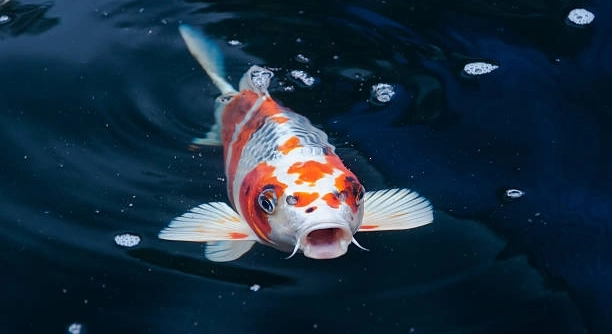
Koi fish are popular additions to many ponds because of their beauty and calm nature. When moving them to a new pond, it is important to understand how long they take to adjust. Proper care during this period helps ensure their health and well-being.
Koi fish typically take between one to four weeks to fully adapt to a new pond environment. This adaptation period depends on factors such as water quality, temperature, and the size of the pond. Gradual acclimation and monitoring are essential during this time.
Knowing how koi adjust to new ponds helps pond owners provide the best environment for their fish. This information supports healthier, more vibrant koi in the long run.
Factors Affecting Koi Fish Adaptation Time
Several factors influence how long koi fish take to adapt to a new pond. Water quality is one of the most important aspects. Koi need clean, well-oxygenated water with stable pH levels to thrive. Sudden changes in water chemistry can cause stress and delay adaptation. Temperature also plays a role, as koi prefer water between 59°F and 77°F (15°C to 25°C). Extreme temperatures may prolong adjustment time. The size and depth of the pond matter as well. Larger, deeper ponds provide more stable conditions, which help koi settle faster. Additionally, the presence of plants and hiding spots can make koi feel safer and reduce stress. Gradual acclimation, such as slowly introducing the fish to the new water, is essential. Avoiding overcrowding and monitoring koi behavior during the first weeks also supports a smooth transition.
Water quality, temperature, pond size, and gradual introduction are key elements influencing koi adaptation time.
Properly managing these factors helps koi adjust more comfortably, minimizing stress and health risks during their move. Observing koi behavior closely allows owners to intervene if problems arise.
Signs That Your Koi Fish Are Adapting
Koi fish show specific behaviors when they are adapting to a new environment. Initially, they may hide more often or stay near the surface to breathe more easily. These are normal responses to stress. Gradually, koi begin to explore the pond and show interest in feeding. A healthy appetite is a positive sign that koi are adjusting well. Color vibrancy may temporarily dull but should return as koi settle in. Watch for any signs of illness, such as lethargy, clamped fins, or unusual swimming patterns. If these signs persist beyond two weeks, it may indicate water issues or health problems. Consistent feeding schedules and maintaining clean water help koi regain confidence and stability in the new pond environment.
Monitoring koi behavior early on can guide proper care to support their adaptation process.
Adapting to a new pond is a delicate phase for koi fish. Owners must ensure water conditions remain stable and suitable throughout this period. Regular testing of water parameters—such as ammonia, nitrite, nitrate, and pH—is necessary to prevent harmful spikes. Feeding koi small amounts several times a day encourages eating without overloading the system. Avoid drastic changes, like sudden water additions or temperature shifts. Providing hiding spots and gentle water circulation also promotes comfort. Patience is crucial, as forcing koi to behave unnaturally can increase stress. If koi show persistent stress signs, consider consulting a specialist or performing partial water changes to improve conditions. Through careful observation and consistent care, koi will adapt successfully and thrive in their new pond environment.
Common Challenges During Adaptation
Koi fish often face stress when introduced to a new pond. This can lead to weakened immune systems, making them more vulnerable to disease. Water quality fluctuations and unfamiliar surroundings are typical stress factors during this time.
Stress weakens koi’s defenses and can cause issues such as fin rot, ich, or bacterial infections. Poor water conditions like ammonia spikes or low oxygen levels increase these risks. Koi may also refuse food or behave unusually. Regular water testing and gentle care reduce these problems. It is important to act quickly if signs of illness appear, including lethargy or abnormal swimming. Early intervention can prevent serious health complications.
To minimize challenges, maintain stable water parameters and avoid overcrowding. Providing clean water, proper nutrition, and quiet spaces helps koi recover faster. Patience and observation are essential to ensure koi successfully overcome adaptation difficulties and remain healthy in their new environment.
How to Speed Up the Adaptation Process
Gradual acclimation is the most effective way to help koi adjust quickly. Slowly mixing pond water with their transport water over several hours reduces shock. Keeping water temperature consistent also helps.
Start feeding koi small amounts once they begin exploring. Avoid overfeeding, which stresses their system. Regular water testing ensures conditions remain stable. Adding plants and hiding spots creates a safer environment. Gentle water circulation improves oxygen levels without causing disturbance. Avoid sudden changes in lighting or temperature to prevent stress. Monitor koi behavior daily to identify issues early. Consistent care and a calm environment speed up adaptation and promote koi health.
If koi show persistent signs of stress, partial water changes and adding beneficial bacteria can improve water quality. Avoid overcrowding and handle koi minimally during this period. With proper care, koi will settle more quickly and thrive in the new pond.
Preparing the Pond Before Introducing Koi
The pond should be fully cycled before adding koi. This means beneficial bacteria have established to break down harmful waste. Test water parameters to confirm safety. Clean filters and ensure proper oxygen levels.
Adding plants and hiding spots before introducing koi helps reduce stress. It creates a natural environment where koi feel secure and less exposed to predators or sudden disturbances.
Importance of Water Testing
Regular water testing is crucial for koi health. Test for ammonia, nitrite, nitrate, pH, and temperature. These parameters affect koi well-being and adaptation speed. Maintaining stable levels prevents stress and illness. Frequent monitoring helps catch problems early and allows timely corrections.
Feeding Tips During Adaptation
Feed koi small amounts once they begin eating. Avoid overfeeding to prevent water quality decline. Choose high-quality food designed for koi. Feeding should be consistent but moderate to support health during adjustment.
Signs of Stress to Watch For
Lethargy, loss of appetite, and unusual swimming indicate stress. Early detection helps prevent serious health issues.
FAQ
How long does it usually take for koi fish to settle in a new pond?
Koi fish generally take about one to four weeks to settle in a new pond. This depends on water quality, temperature, and pond conditions. Some koi may adjust quicker, while others need more time. Monitoring their behavior during this period helps ensure they are adapting well.
What water parameters are most important for koi adaptation?
The most critical water parameters include ammonia, nitrite, nitrate, pH, and temperature. Ammonia and nitrite should be at zero, while nitrates should stay low. The pH should remain stable between 7.0 and 8.5. Water temperature ideally ranges between 59°F and 77°F (15°C to 25°C).
How can I safely acclimate koi to a new pond?
Begin by floating the transport bag on the pond surface to equalize temperature. Gradually add small amounts of pond water into the bag over one to two hours. This allows the fish to adjust to the new water chemistry slowly. Finally, gently release them into the pond to reduce shock.
What are common signs that koi are stressed in a new environment?
Stress signs include hiding more than usual, loss of appetite, clamped fins, erratic swimming, or spending time near the surface gasping for air. Stress weakens their immune system, making them prone to infections. Early detection is key to prevent serious health issues.
Is it normal for koi to hide a lot after being introduced?
Yes, koi often hide or stay still as they get used to their new surroundings. Hiding helps them feel safe while they adjust. Over time, they will become more active and explore the pond. If hiding continues beyond a few weeks, check water quality and other factors.
Should I feed koi right after moving them to a new pond?
It is best to wait until koi start showing interest in food, which might take a few days. Feeding too early can stress their digestive system. Start with small, frequent feedings once they begin eating. High-quality, easily digestible food is recommended.
Can temperature changes affect koi adaptation?
Yes, sudden temperature shifts can stress koi and slow their adjustment. Koi prefer stable temperatures between 59°F and 77°F (15°C to 25°C). Avoid adding very cold or hot water. Gradual changes in temperature help koi acclimate without added stress.
How important is pond size for koi adaptation?
A larger and deeper pond offers more stable water conditions, which helps koi adapt faster. Smaller ponds can experience rapid changes in temperature and water chemistry, causing stress. Ensure the pond is big enough to support the number and size of koi introduced.
What can I do if koi stop eating after being introduced to a new pond?
Loss of appetite is common during adaptation. Keep water quality stable and avoid sudden changes. Check for signs of illness or stress. Provide a quiet environment with hiding places. Feeding small amounts of high-quality food when koi start showing interest helps them recover.
How often should I test water during koi adaptation?
Test water at least twice a week during the first few weeks. Frequent testing helps detect harmful spikes in ammonia or nitrite. It also ensures pH and temperature remain stable. Adjust filtration or perform partial water changes if necessary.
Can overcrowding affect koi adaptation?
Yes, overcrowding increases stress and pollution, making adaptation harder. It reduces oxygen levels and raises waste buildup. Maintain a proper fish-to-pond size ratio. Avoid adding too many koi at once. Spreading out introductions can improve overall health.
Is it necessary to add plants or decorations during adaptation?
Adding plants and decorations provides hiding spots, which reduce stress and create a more natural environment. These features give koi places to feel secure and help them explore gradually. Avoid sharp objects that could injure koi.
What should I do if koi show signs of illness during adaptation?
If koi appear lethargic, have clamped fins, or visible spots and wounds, isolate affected fish if possible. Test water parameters immediately. Improve water quality with partial water changes and check filtration. Consult a vet or fish health expert for treatment options.
Can beneficial bacteria help koi adapt faster?
Yes, beneficial bacteria support the nitrogen cycle, breaking down toxic waste and improving water quality. Adding bacterial supplements can speed up pond cycling, creating a safer environment for koi. Use these products according to instructions and avoid overdosing.
How can I reduce stress for koi during the first weeks in a new pond?
Keep noise and activity around the pond to a minimum. Avoid sudden water changes or heavy feeding. Provide shade, plants, and hiding spots. Maintain consistent feeding times and water quality. Gentle water flow rather than strong currents helps koi feel more secure.
Final Thoughts
Introducing koi fish to a new pond requires patience and careful attention. The adaptation period can vary depending on factors such as water quality, temperature, and the individual fish’s health. It is important to prepare the pond properly before adding koi by ensuring that water conditions are stable and the environment is safe. Testing water regularly and providing hiding spots help create a comfortable space for koi to settle in. A well-maintained pond with clean water supports a smooth transition and reduces stress for the fish.
During the first few weeks, koi may show signs of stress such as hiding, loss of appetite, or unusual swimming behavior. These are natural responses to a new environment but should be monitored closely. Maintaining stable water parameters and avoiding sudden changes in temperature or lighting will help minimize stress. Feeding should be done in small, controlled amounts once the fish start eating again. Overfeeding can harm water quality and delay adaptation. Regular observation of koi behavior is important to detect any health issues early and take necessary actions promptly.
Adapting koi to a new pond is a gradual process that demands consistent care and patience. Providing a calm and stable environment is key to their successful adjustment. Overcrowding should be avoided, and the pond should offer enough space for koi to explore safely. With proper preparation and ongoing maintenance, koi fish can settle comfortably, grow healthy, and bring long-term enjoyment. Understanding their needs during adaptation helps create a balanced ecosystem where koi thrive peacefully.

Hello,
If you enjoy the content that we create, please consider saying a "Thank You!" by leaving a tip.
Every little bit helps us continue crafting quality advice that supports the health, happiness, and well-being of pets around the world, for pets of all shapes, sizes, and species.
We really appreciate the kindness and support that you show us!