
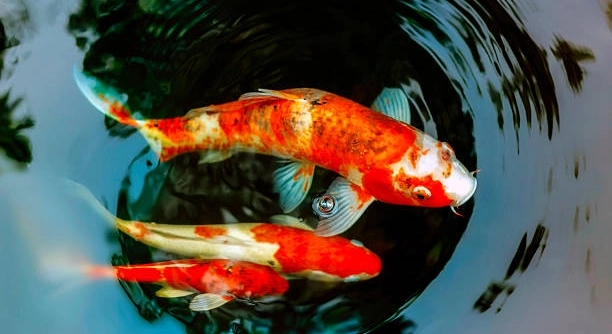
A well-maintained koi pond can be a beautiful addition to any garden, offering tranquility and a touch of nature. Many people enjoy the calming presence of koi swimming gracefully in clear water. However, not all ponds meet the standards of high quality.
A high-quality koi pond is defined by clear water, proper filtration, sufficient depth, good aeration, balanced landscaping, adequate space for fish, and strong structural integrity. These traits ensure the health and longevity of the koi and the pond environment.
Recognizing these features can help you create or maintain a pond that supports vibrant, healthy koi and enhances your outdoor space for years to come.
Clear Water and Proper Filtration
Clear water is essential for a high-quality koi pond. It allows you to see your fish easily and helps maintain a healthy environment. Filtration systems play a big role in keeping the water clean by removing waste and harmful substances. Without proper filtration, water can become cloudy and unhealthy for the koi. Regular maintenance, including cleaning filters and changing water, is necessary to keep the pond clear. A well-designed filter balances biological, mechanical, and chemical processes to create optimal water quality. This balance prevents the buildup of toxins that can stress or harm the fish. Clear water not only looks better but also promotes koi health by reducing diseases. Filtration systems vary in complexity, but even simple setups can significantly improve water clarity. Adding plants can also support filtration by absorbing nutrients and improving oxygen levels, which benefits the entire pond ecosystem.
Maintaining clear water requires consistent effort and good equipment. Neglecting filtration leads to rapid water quality decline.
Keeping your pond water clear helps your koi thrive, making the pond a pleasant and healthy place to enjoy every day.
Sufficient Depth and Aeration
A good koi pond must have enough depth to protect fish from temperature changes and predators. Aeration is also critical to supply oxygen for the fish and beneficial bacteria. Proper depth keeps water temperatures stable, especially during hot summers or cold winters. Shallow ponds can stress koi by exposing them to sudden temperature shifts and reducing space to swim. Aeration, provided by air pumps or waterfalls, increases oxygen levels, supporting koi health and filter performance. Without adequate oxygen, koi can become lethargic and vulnerable to disease. Adding aeration devices also helps prevent stagnant water, reducing algae growth and foul smells. Depth and aeration work together to create a balanced environment that supports fish and plants alike. Planning your pond with these factors in mind ensures it remains a safe and lively habitat.
Proper depth and aeration protect koi and support a stable pond ecosystem throughout the year.
Balanced Landscaping
Landscaping around the koi pond should support both the pond’s ecosystem and its appearance. Plants need to be chosen carefully to avoid overgrowth or debris falling into the water, which can affect water quality. Proper landscaping creates shade and shelter, benefiting the koi.
Choosing native plants is ideal because they are easier to maintain and better suited for the local climate. Floating plants and marginal plants help absorb excess nutrients and reduce algae growth. Avoid plants that drop many leaves or flowers into the water, as this increases the need for frequent cleaning. Rocks and gravel should be placed to prevent soil erosion and provide hiding spots for koi. Thoughtful landscaping balances beauty with functionality, enhancing the pond’s health and the fish’s comfort.
Maintaining landscaping requires regular trimming and monitoring to keep the pond clean and the plants healthy. Overgrown plants can create problems rather than solve them.
Adequate Space for Fish
Koi need plenty of space to swim freely and grow properly. Crowding leads to stress, poor water quality, and health issues. A high-quality pond provides enough room based on the number and size of koi.
Space is important because koi grow large and need ample room to move. A good rule of thumb is to allow at least 250 gallons of water per adult koi. This space helps reduce waste buildup and improves oxygen distribution, making it easier to maintain water quality. Overcrowded ponds force koi to compete for food and oxygen, which weakens their immune systems. Providing adequate space also reduces aggressive behavior between fish. Ensuring your pond size matches your koi population supports their well-being and makes pond maintenance easier.
Properly sizing your pond prevents common problems related to overcrowding and helps koi live longer, healthier lives.
Strong Structural Integrity
A koi pond must have a sturdy structure to hold water securely and last for many years. Proper materials and construction techniques prevent leaks and damage. Strong walls and a solid base are key for durability.
Regular inspections help catch small cracks or weaknesses early. Repairing issues quickly avoids bigger problems that could harm the pond or fish.
Proper Water Circulation
Good water circulation is vital to distribute oxygen evenly and prevent stagnant areas. Pumps and water features like waterfalls help keep the water moving. Circulation supports filter efficiency and fish health by maintaining balanced water conditions. Without it, debris settles and algae can grow unchecked, causing water quality problems.
Safe Environment for Koi
The pond should protect koi from predators and harsh weather. Nets, deeper areas, or hiding spots help keep fish safe from birds, cats, and extreme temperatures. Creating a secure environment lets koi live peacefully and reduces stress, which is essential for their health and growth.
FAQ
What size should a koi pond be?
The size depends on how many koi you want and how large they will grow. Generally, each adult koi needs about 250 gallons of water. A larger pond is better because it helps maintain stable water conditions and gives the fish plenty of space to swim comfortably. Small ponds may work for fewer koi but require more maintenance to keep water quality high.
How deep should a koi pond be?
A good depth is at least 3 feet (around 90 cm). This depth helps protect koi from predators and extreme weather. It also keeps the water temperature more stable, which is important for the fish’s health. Shallow ponds can cause stress to koi, especially during hot summers or freezing winters.
How often should I clean the pond?
Cleaning frequency varies based on pond size and filtration but typically, a partial water change of 10-20% every week or two is recommended. Regularly removing debris and checking the filter helps keep water clear and healthy. Overcleaning can disturb beneficial bacteria, so balance is important.
What kind of plants are best for koi ponds?
Choose plants that help maintain water quality, like water lilies, lotus, and floating plants. These provide shade and reduce algae growth by limiting sunlight. Marginal plants with deep roots also help filter nutrients. Avoid plants that shed a lot of leaves or flowers, as they can increase maintenance.
How do I prevent algae growth?
Algae thrive in nutrient-rich water and sunlight. Use proper filtration and aeration to keep water balanced. Adding plants that absorb excess nutrients also helps. Avoid overfeeding koi, as leftover food adds nutrients. Regular water changes and removing debris limit algae’s ability to grow.
Can koi live without a filter?
While koi can survive without filters in natural or very large ponds, filters are crucial in most backyard ponds to maintain clean, healthy water. Filters remove waste, toxins, and keep water clear. Without a filter, water quality deteriorates quickly, stressing the fish and increasing disease risk.
What should I feed my koi?
Feed koi specially made koi pellets or flakes, which provide balanced nutrition. Avoid overfeeding, as uneaten food pollutes the water. Feed small amounts once or twice a day, only what koi can eat in a few minutes. Adjust feeding during cold months, as koi eat less when water temperature drops.
How can I protect koi from predators?
Use pond netting or covers to keep birds and animals away. Providing deep areas and hiding spots like rocks or plants helps koi avoid predators. Motion-activated sprinklers or decoys can also deter animals. Protecting koi reduces stress and injury, keeping them healthier.
Why is my pond water cloudy?
Cloudy water is often caused by excess waste, overfeeding, or poor filtration. It can also result from algae blooms. Checking and cleaning filters, reducing feeding, and increasing aeration usually improves clarity. If the problem persists, testing water parameters can identify underlying issues.
How do I keep koi healthy?
Maintain clean water with proper filtration and aeration. Provide balanced food and avoid overcrowding. Regularly inspect koi for signs of illness like spots or unusual behavior. Quarantine new fish before adding them to the pond. Keeping stress low through good pond design supports koi health.
Is it necessary to winterize a koi pond?
Yes, especially in colder climates. Remove pumps and filters if needed, or use pond heaters or aerators to keep water from freezing completely. Stop feeding koi as water temperatures drop below 50°F (10°C) because their metabolism slows. Proper winter care helps koi survive cold months safely.
Can koi coexist with other fish?
Koi generally get along with other large, peaceful fish like goldfish. Avoid aggressive or very small species that may be stressed or eaten. Make sure the pond size and conditions suit all fish to prevent overcrowding and maintain water quality. Mixing species can create a lively, balanced pond environment.
Final Thoughts
Building and maintaining a high-quality koi pond requires attention to many important details. From choosing the right size and depth to ensuring proper water circulation and filtration, every element plays a role in creating a healthy environment for koi. The pond needs to provide enough space for the fish to grow and swim comfortably. Balanced landscaping and secure hiding spots protect koi from predators and keep the pond looking natural. A strong, durable structure prevents leaks and damage that could disrupt the pond’s ecosystem. Paying attention to these factors helps keep koi healthy and happy.
Water quality is one of the most important aspects to focus on. Clean, well-oxygenated water supports koi health and reduces the risk of disease. This means regular maintenance is necessary, including cleaning filters, checking pumps, and removing debris. Proper feeding habits also help maintain water quality by preventing excess waste buildup. Plants play a useful role by absorbing nutrients and providing shade, but they must be carefully selected to avoid causing extra problems. It is a balance between keeping the pond beautiful and functional while ensuring the fish have the best living conditions.
Overall, a high-quality koi pond is more than just a pretty water feature. It is a carefully designed system that requires ongoing care and attention. With the right setup and maintenance, koi can thrive for many years. Watching koi swim gracefully in a clean, well-maintained pond offers a peaceful and rewarding experience. Taking time to understand and meet the needs of your koi and their environment will result in a pond that brings enjoyment and satisfaction for a long time.

Hello,
If you enjoy the content that we create, please consider saying a "Thank You!" by leaving a tip.
Every little bit helps us continue crafting quality advice that supports the health, happiness, and well-being of pets around the world, for pets of all shapes, sizes, and species.
We really appreciate the kindness and support that you show us!