
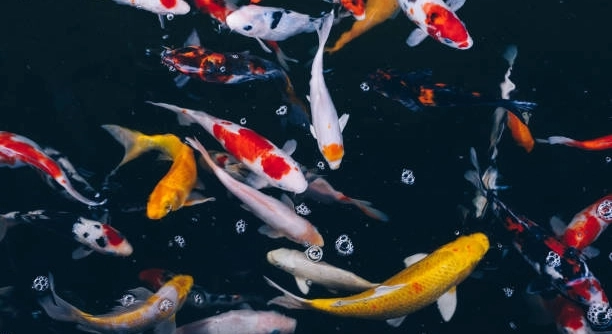
Adding shade over koi ponds is a simple way to improve the environment for both the fish and the pond itself. Shade can help reduce water temperature and protect the fish from harsh sunlight. Many pond owners consider this a beneficial addition to their setup.
Adding shade over koi ponds helps regulate water temperature, reduces algae growth, and protects koi from UV damage. It also enhances fish comfort and promotes a healthier pond ecosystem by balancing light exposure and reducing stress on aquatic life.
Knowing the benefits of shade can guide you in creating a better home for your koi. This article will outline seven key advantages that make adding shade a valuable choice.
Keeps Water Cooler and Comfortable
Shade helps keep koi pond water cooler during hot days. When the sun shines directly on the pond, water temperature can rise quickly. This can stress the fish and make them less active. Cooler water helps koi stay healthy and comfortable. It also slows down evaporation, which means less frequent refilling of the pond. Trees, shade sails, or pergolas can provide effective cover. Even a little shade can make a big difference in water temperature. Cooler water also holds more oxygen, which koi need to thrive. Overall, shade creates a more stable and pleasant environment for the fish.
Adding shade protects koi from heat stress, promoting better health and longer life.
A pond with cooler water due to shade is less likely to suffer from sudden temperature swings. This stability supports the well-being of koi, keeping them calmer and more energetic.
Reduces Algae Growth
Algae need sunlight to grow quickly. Adding shade limits the amount of direct sunlight that reaches the pond water. This helps control algae blooms, keeping the water clearer and cleaner. Less algae means less work for pond owners in cleaning and maintenance. Shade also helps prevent the pond from becoming murky and smelly. While some algae is normal and good for the pond, too much can harm fish and plants. Using shade as part of pond care can reduce the need for chemical treatments. Natural shade sources, like trees or shrubs, also add beauty to the pond area. Properly managing light exposure creates a healthier balance in the pond ecosystem.
Protects Koi from Harmful UV Rays
Shade reduces the amount of harmful ultraviolet (UV) rays that reach the koi. This protection helps prevent skin damage and stress in the fish.
Koi exposed to too much sunlight can suffer from sunburn or weakened immune systems. UV rays can also cause their colors to fade over time. By adding shade, you create a gentler environment that helps koi maintain their vibrant appearance. This protective barrier allows the fish to swim comfortably without the risk of harmful sun exposure. It also reduces the chance of developing health issues related to excessive sunlight. Shade is an easy and natural way to safeguard your koi’s well-being.
Providing protection from UV rays contributes to longer, healthier lives for your fish.
Encourages Natural Behavior and Reduces Stress
Shade creates a more natural and comfortable environment where koi can behave as they would in the wild. Without constant bright light, koi feel safer and less stressed. When koi are stressed, they may hide or become less active, which can affect their growth and health. Shade helps keep them calm by mimicking the dappled light conditions of natural ponds. This peaceful setting encourages normal swimming patterns and social behaviors. Lower stress levels improve immune function and reduce the risk of illness. Overall, shaded ponds promote a healthier, happier koi population. Making the pond environment closer to their natural habitat benefits koi in many ways.
Protects Pond Equipment
Shade helps protect pond equipment like filters and pumps from overheating. Direct sun exposure can shorten their lifespan. Keeping equipment shaded reduces the risk of damage and failure, saving time and money on repairs or replacements.
A shaded area keeps equipment cooler and running more efficiently.
Prevents Excessive Water Evaporation
Shade reduces water evaporation by limiting direct sunlight on the pond surface. This means less frequent refilling, which helps conserve water and reduces maintenance. A shaded pond stays more stable in water levels, creating a better environment for koi and plants.
Enhances Aesthetic Appeal
Adding shade can improve the overall look of your koi pond area. Trees, pergolas, or shade sails add structure and beauty. They create a relaxing atmosphere that invites spending more time near the pond.
Shade offers both functional and visual benefits for your outdoor space.
How much shade does a koi pond need?
The amount of shade needed depends on your climate and pond size. Generally, providing about 30% to 50% shade throughout the day works well. This level of coverage helps keep the water cool without blocking too much sunlight needed for aquatic plants and beneficial algae. Too much shade can limit oxygen production and plant growth, while too little can lead to overheating and algae blooms. Using natural sources like trees or man-made structures like shade sails allows you to adjust coverage easily. Watching your pond’s temperature and koi behavior will help you find the right balance over time.
What are good plants to provide natural shade for koi ponds?
Plants like water lilies and lotus grow on the pond surface and offer direct shade to koi while adding beauty. Around the pond, trees such as willow, maple, or dogwood provide dappled shade without dropping excessive debris. Shrubs like azaleas or hydrangeas can create shade and add color. Choose plants that thrive in your local climate and don’t root aggressively near the pond liner to avoid damage. Avoid trees that drop large amounts of leaves or sap, as these can increase pond maintenance. Planting a mix of aquatic and surrounding plants creates a balanced, shaded environment.
Can shade harm koi or plants in the pond?
While shade is mostly beneficial, too much can cause problems. Koi and aquatic plants need some sunlight for health and growth. Without enough light, plants may weaken or die, reducing oxygen in the water. Koi might become less active or lose vibrant colors in very dark ponds. Over-shading can also encourage excessive growth of unwanted algae that thrive in low light. It’s important to provide balanced shade, allowing sunlight to reach the pond during parts of the day. Regular observation and adjustments to shade sources can prevent these issues and keep the pond ecosystem healthy.
How can I create shade without blocking the view of my pond?
Using floating plants like water lilies creates shade on the water without blocking the entire pond view. You can also install partial shade sails or pergolas with open designs that allow light to filter through. Strategically planting smaller trees or shrubs at pond edges offers shade while maintaining visibility. Avoid dense, tall trees that completely surround the pond and block sightlines. Adjustable or movable shade structures give flexibility to control shading based on weather or season. Combining these options helps keep your koi cool and happy without losing the visual enjoyment of the pond.
Is artificial shade better than natural shade for koi ponds?
Both artificial and natural shade have benefits. Natural shade from trees and plants adds beauty, supports wildlife, and improves the ecosystem around the pond. However, trees can drop leaves, increasing cleaning needs. Artificial shade, like shade sails or pergolas, allows precise control over coverage and is easier to maintain. It doesn’t add debris to the water but may look less natural. Choosing one depends on your preferences, maintenance ability, and how much control you want over shading. Many pond owners use a mix of both for the best results.
How often should I adjust or check the shade over my koi pond?
Shade should be checked seasonally and after major weather changes. In spring and summer, when sunlight is strongest, shade needs might increase. In fall and winter, less shade might be needed to allow more light for plants and fish. Regularly inspect shade structures for damage or movement. If using plants, trim or thin them as needed to control coverage. Monitoring water temperature and algae growth can also guide adjustments. A flexible approach ensures the pond stays balanced and the koi remain comfortable all year long.
What signs show that my koi pond needs more shade?
If the water temperature rises above 75°F (24°C) regularly, the pond likely needs more shade. Other signs include increased algae blooms, koi seeking refuge under plants or hiding more often, and faded fish colors. If you notice rapid evaporation requiring frequent refills, shade can help reduce water loss. Watch for plants that are drying out or stressed from too much sun. These signals suggest it’s time to add or increase shade to improve the pond’s conditions and keep your koi healthier.
Can shade help reduce pond maintenance?
Yes, shade reduces algae growth and slows evaporation, both of which lower maintenance efforts. With less algae, you spend less time cleaning filters and scrubbing pond walls. Slower evaporation means you refill the pond less often, saving water and time. Shade also protects equipment from heat damage, reducing repair needs. However, adding shade might increase leaf debris if you use trees, which requires some cleanup. Overall, the right balance of shade makes pond care easier and more manageable.
Are there any special considerations when shading small koi ponds?
Small ponds heat up faster and can benefit greatly from shade. However, over-shading small ponds may limit light too much, affecting oxygen and plant health. Choose lightweight or adjustable shading options like small umbrellas, partial sails, or floating plants. Avoid large trees that drop heavy debris, which can overwhelm small pond filtration. Regularly monitor water conditions and fish behavior to maintain balance. Because space is limited, shading small ponds requires careful planning to protect koi without reducing pond vitality.
How does shade affect koi breeding or spawning?
Shade can create a comfortable environment that encourages koi to breed by reducing stress and maintaining stable temperatures. However, koi also need some sunlight exposure during the day for natural breeding cycles. Too much shade may delay spawning or reduce egg development. Balanced shading with periods of sunlight helps support successful breeding. Providing shaded areas near spawning sites can protect eggs and fry from predators and harsh light. Overall, managing shade carefully supports healthy koi reproduction.
Adding shade over koi ponds offers many benefits that improve the health and comfort of the fish. Shade helps keep the water temperature cooler, which reduces stress on koi and prevents sudden temperature changes. Cooler water holds more oxygen, which is vital for the fish and plants living in the pond. Shade also protects koi from harmful ultraviolet rays, helping to prevent skin damage and keeping their colors bright. These simple advantages make adding shade a smart choice for anyone who cares about their pond’s well-being.
Shade also helps keep the pond cleaner and easier to maintain. By limiting the amount of sunlight reaching the water, it slows down algae growth and reduces water evaporation. This means the water stays clearer and fresher for longer, and there is less need to refill the pond frequently. Shade protects important pond equipment like filters and pumps by preventing them from overheating. In addition, shaded ponds encourage koi to act naturally and reduce their stress levels, which supports their immune systems and overall health.
When deciding how to add shade, consider options that suit your space and style. Natural shade from trees and aquatic plants adds beauty and supports a balanced ecosystem. Artificial shade structures offer control and convenience with less debris to clean up. It is important to find the right balance of shade so the pond receives enough sunlight to support plant growth and maintain oxygen levels. By carefully adding shade and adjusting it over time, you create a healthier, more comfortable environment for your koi to thrive in.

Hello,
If you enjoy the content that we create, please consider saying a "Thank You!" by leaving a tip.
Every little bit helps us continue crafting quality advice that supports the health, happiness, and well-being of pets around the world, for pets of all shapes, sizes, and species.
We really appreciate the kindness and support that you show us!