
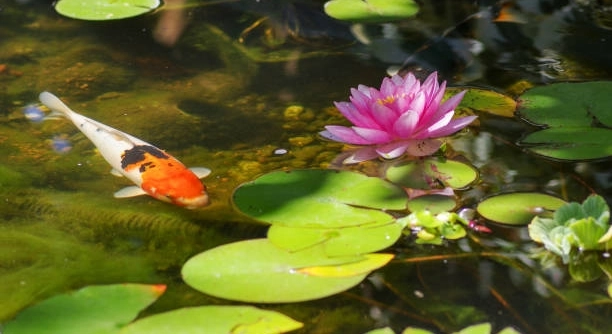
Koi fish often spend time near the bottom of their ponds, which can be concerning for pond owners. Observing this behavior may indicate several environmental or health factors affecting the fish’s comfort and wellbeing. Understanding these reasons helps maintain a healthy pond.
Koi fish stay at the bottom of the pond primarily due to environmental stress, water quality issues, low oxygen levels, illness, or discomfort. These factors can reduce their activity and prompt them to seek refuge near the pond floor.
Knowing these common causes will assist in improving your koi pond’s conditions and ensure the fish remain healthy and active. This article covers seven key reasons behind this behavior.
Poor Water Quality
Koi fish are sensitive to changes in water quality, which directly affects their health and behavior. If the water in the pond becomes polluted with excess waste, chemicals, or debris, koi tend to stay near the bottom where the water may feel more stable or cooler. Poor water quality can cause stress and discomfort, leading to lethargy and reduced movement. Regular testing and maintenance of the pond’s water parameters—such as ammonia, nitrite, nitrate, and pH levels—are essential. Keeping the water clean and balanced helps koi feel comfortable and encourages normal swimming behavior. Without proper care, koi may struggle to survive, showing signs like gasping at the surface or hiding near the bottom to avoid the poor conditions.
Monitoring water quality is crucial to prevent health issues and maintain koi activity. A clean pond supports the fish’s overall wellbeing and vibrant colors.
Understanding and addressing water quality issues will help create a healthy environment where koi thrive.
Low Oxygen Levels
Low oxygen levels in the pond cause koi to stay at the bottom to conserve energy. Oxygen is essential for koi survival and activity. When oxygen drops, koi reduce movement and may even appear to rest on the pond floor to breathe more slowly and use less energy.
Oxygen can decrease due to overcrowding, excessive algae growth, or stagnant water. Proper aeration is necessary to maintain adequate oxygen, especially in warm weather when oxygen naturally declines.
Adding aeration devices such as fountains, waterfalls, or air pumps improves oxygen circulation. Avoid overfeeding fish and remove decaying organic matter that consumes oxygen during decomposition. Regular water changes can also help maintain oxygen levels.
Ensuring good oxygen circulation helps koi remain active and healthy. Pond owners should monitor oxygen levels routinely and take corrective measures as needed. Adequate oxygen supply supports koi metabolism, immune function, and overall vitality.
Illness or Parasites
Illness or parasites often cause koi to stay near the bottom of the pond. When koi are sick or infested, they become weak and avoid swimming actively. This behavior is a way to conserve energy and cope with discomfort.
Common illnesses include bacterial infections, fungal diseases, and parasites such as flukes or lice. Symptoms like clamped fins, pale colors, or visible spots often accompany bottom-dwelling behavior. Sick koi also tend to isolate themselves from others and show reduced appetite. Early detection and treatment are vital to prevent severe health decline or death. Consulting a vet or koi specialist for diagnosis and appropriate medication is important. Quarantining infected fish protects healthy koi from contagion.
Regular observation and pond hygiene reduce disease risk. A clean pond environment and proper nutrition strengthen koi immune systems, making illness less likely.
Temperature Stress
Koi fish are cold-blooded and sensitive to temperature changes. When water becomes too cold or too hot, koi may stay at the bottom, where temperature fluctuations are less extreme. This helps them conserve energy and avoid stress caused by uncomfortable conditions.
Rapid temperature changes, especially in spring and fall, can shock koi. Prolonged exposure to extreme temperatures weakens their immune system, making them vulnerable to illness. Ideal pond temperatures for koi range between 59°F and 77°F (15°C to 25°C). Using shade, aeration, and pond heaters can help stabilize water temperature. Monitoring temperature regularly allows timely adjustments to protect koi. Proper temperature control encourages normal behavior and supports overall health.
Maintaining stable temperature helps koi remain active and reduces the risk of temperature-related problems.
Stress from Overcrowding
Overcrowding in a koi pond causes stress, leading fish to stay at the bottom. Too many fish compete for space, food, and oxygen, which disrupts their comfort and behavior.
Stress weakens koi immune systems and increases aggression. Proper stocking density helps prevent these issues and promotes healthy activity.
Poor Nutrition
Koi staying at the pond bottom may result from inadequate nutrition. Poor diet reduces energy levels and weakens the immune system, making fish less active.
Feeding high-quality koi food with balanced nutrients supports health and encourages normal swimming behavior. Avoid overfeeding to prevent water pollution.
Injuries or Physical Discomfort
Injuries or discomfort cause koi to isolate themselves and remain near the bottom. Cuts, abrasions, or damaged fins limit movement and cause pain.
Providing a safe pond environment and prompt treatment of injuries helps koi recover and return to normal activity. Regular inspection of fish is important.
FAQ
Why do koi fish stay at the bottom of the pond?
Koi fish often stay at the bottom due to environmental or health reasons. Poor water quality, low oxygen levels, stress from overcrowding, illness, temperature changes, or injuries can cause them to seek shelter at the pond floor. Staying at the bottom helps them conserve energy and avoid discomfort.
How can I improve the water quality in my koi pond?
Improving water quality requires regular testing and maintenance. Remove debris and uneaten food, perform partial water changes, and use a reliable filtration system. Monitor ammonia, nitrite, nitrate, and pH levels closely. Avoid overfeeding to reduce waste buildup, and consider adding aquatic plants to help absorb excess nutrients.
What are signs of low oxygen in the pond?
Signs include koi gasping at the surface, slow movement, and staying near the pond bottom. Fish may also cluster around aeration sources. These behaviors indicate insufficient oxygen, which requires immediate correction through aerators, fountains, or increased water circulation.
How often should I test the pond water?
Testing should be done weekly or biweekly, especially in warmer months when oxygen levels fluctuate and waste accumulates faster. Frequent checks help detect problems early and maintain stable water conditions for koi health.
Can temperature affect koi behavior?
Yes, koi are cold-blooded and react to water temperature. Sudden drops or rises cause stress, prompting koi to stay near the bottom where temperatures are more stable. Keeping water temperature within the ideal range (59°F to 77°F) prevents temperature-related stress and health issues.
What should I do if my koi are sick?
If koi show signs of illness such as clamped fins, discoloration, or lethargy, isolate affected fish in a quarantine tank. Consult a veterinarian or koi expert for diagnosis and treatment options. Maintain good water quality and nutrition to support recovery.
Is overcrowding harmful to koi fish?
Overcrowding reduces oxygen and increases waste, causing stress and aggressive behavior. It weakens the immune system, making fish more prone to disease. Keep stocking density appropriate to the pond size—generally one inch of fish per ten gallons of water is a safe guideline.
How can I prevent injuries in my koi pond?
Provide smooth surfaces without sharp edges or rough decorations. Avoid overcrowding to reduce fighting. Monitor fish regularly for wounds and treat injuries promptly with antiseptic solutions or medications designed for aquatic use.
What foods are best for koi health?
Feed koi high-quality commercial pellets that include proteins, vitamins, and minerals. Supplement occasionally with vegetables or fruits like peas and watermelon. Avoid overfeeding, which can cause poor water quality and digestive problems.
Why do koi fish sometimes stay still for long periods?
Koi may rest to conserve energy or due to stress, illness, or poor water conditions. Resting near the bottom is normal occasionally, but if it becomes prolonged, it may indicate an underlying issue requiring attention.
Can pond plants affect koi behavior?
Yes, plants improve water quality by absorbing excess nutrients and providing shade, which lowers water temperature and increases oxygen levels. This creates a comfortable environment, encouraging koi to swim actively rather than hiding at the bottom.
How do I maintain proper oxygen levels in winter?
In colder months, oxygen levels can drop under ice. Use pond heaters or aerators to keep a hole in the ice for gas exchange. Remove excess organic material before winter to reduce oxygen consumption from decay.
What role does pond depth play in koi behavior?
Deeper ponds provide temperature stability and refuge during heat or cold. Koi may stay near the bottom in shallow ponds during temperature extremes or poor conditions. Adequate depth supports healthier behavior and survival.
How can I tell if my koi are stressed?
Signs of stress include erratic swimming, loss of appetite, color fading, and hiding at the bottom. Stress is caused by poor water quality, overcrowding, or sudden environmental changes. Addressing these factors reduces stress and improves fish health.
Is it normal for koi to hide at the bottom sometimes?
Yes, koi sometimes rest at the bottom or hide temporarily. However, consistent bottom dwelling is often a sign of an issue. Monitoring other symptoms and water conditions helps determine if intervention is needed.
Final Thoughts
Koi fish spending time at the bottom of the pond can result from various causes. These include environmental factors like poor water quality, low oxygen, or temperature changes, as well as health issues such as illness or injuries. Recognizing why koi behave this way helps in providing proper care. Maintaining a clean pond with stable water conditions is essential for keeping koi active and healthy. Regular observation allows for early detection of any problems that may cause koi to stay near the bottom.
Proper pond management involves regular water testing, adequate aeration, and attention to stocking density. Overcrowding and poor nutrition also contribute to koi spending time at the bottom. Ensuring a balanced diet and appropriate population size supports their immune system and natural behavior. Additionally, providing shelter and safe hiding spots within the pond can reduce stress for koi. These steps create an environment where koi can thrive, swim freely, and show their full range of natural activity.
Taking care of koi requires patience and consistency. Each pond is unique, and koi may respond differently to changes. Monitoring water quality, temperature, and fish behavior regularly helps maintain optimal conditions. If koi stay at the bottom for long periods or show signs of illness, addressing the issue quickly is important. Consulting with experts or veterinarians when needed ensures the right treatment. A well-maintained pond and attentive care promote the well-being of koi and enhance the enjoyment of keeping these beautiful fish.

Hello,
If you enjoy the content that we create, please consider saying a "Thank You!" by leaving a tip.
Every little bit helps us continue crafting quality advice that supports the health, happiness, and well-being of pets around the world, for pets of all shapes, sizes, and species.
We really appreciate the kindness and support that you show us!