
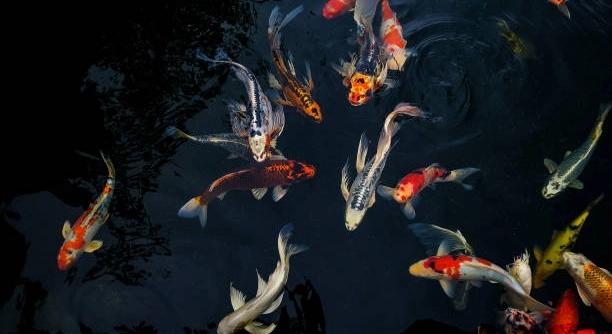
Koi fish are popular pets known for their vibrant colors and graceful movements. Many people enjoy caring for them in ponds or tanks. Feeding koi is a key part of their daily routine to keep them healthy and active.
Skipping feeding koi fish can lead to stress, weakened immune systems, and poor growth. Prolonged food deprivation may cause malnutrition and increased vulnerability to diseases, affecting overall health and lifespan. Regular feeding supports their well-being and vitality.
Knowing what happens when koi miss meals helps maintain a balanced care routine. This information can improve your fish’s environment and health over time.
Why Koi Fish Need Regular Feeding
Koi fish need food regularly because it provides them with essential nutrients for growth and energy. Without food, their bodies start using stored reserves, which can weaken them over time. Koi are cold-blooded, so their metabolism slows in colder months, but they still need occasional feeding to maintain health. Feeding also helps maintain their bright colors and supports immune function. Skipping meals sometimes won’t harm them immediately, but frequent or long gaps in feeding cause stress and make them more prone to illness. Over time, koi may stop growing properly and become lethargic if they don’t get enough food. Feeding is also a chance to check on their behavior and health. When koi eagerly come to the surface, it usually means they are well and ready to eat. Watching how they feed can help detect any early signs of trouble. Proper feeding habits keep koi active and vibrant.
Feeding koi fish at consistent times helps create a healthy routine and supports their well-being.
Feeding koi involves more than just giving food. It’s important to offer the right amount and type of food for their size and water temperature. In warmer months, koi need more food as their metabolism is faster. During colder months, they eat less and require lighter meals. Overfeeding can pollute the water, so balance is key. Koi enjoy pellets, flakes, and sometimes vegetables or fruits as treats. Knowing their dietary needs helps maintain water quality and fish health. Monitoring feeding habits regularly can prevent problems before they arise. Feeding also encourages koi to swim actively and socialize, which keeps them happy and healthy in their environment.
Effects of Skipping Koi Feeding for Short Periods
Skipping feeding for a day or two generally does not cause serious harm to koi fish.
However, if koi are not fed for several days, their energy reserves begin to deplete, leading to weakened immune responses and slower recovery from infections. Long periods without food stress the fish, increasing the risk of disease outbreaks. Stress caused by starvation can also affect their behavior, making koi less active and less likely to interact. This stress weakens their natural defenses, making it easier for bacteria or parasites to take hold. Additionally, prolonged food shortages can stunt growth and dull their vibrant colors. It is important to ensure koi have access to food regularly but avoid overfeeding to keep their habitat clean. In cases where feeding is missed due to travel or pond maintenance, alternative feeding methods or assistance should be arranged to protect the fish’s health. Consistent care promotes longevity and overall well-being for koi.
How Koi Fish React to Missed Meals
Koi fish may become less active when they miss meals. Their energy drops, and they might stay near the bottom of the pond or tank.
When koi do not get fed, they start conserving energy. They swim slower and avoid unnecessary movement. Over time, this lack of activity can make them weaker. You may notice less interest in their surroundings and reduced interaction with other fish. Their usual eagerness during feeding times can fade if meals are skipped repeatedly. This reaction is a survival mechanism but signals that their health could be at risk if the situation continues.
Skipping food causes stress to koi, which affects their immune system. Stress makes it harder for them to fight infections, leaving them open to illnesses like fin rot or fungal infections. Stress also impacts their appetite, creating a cycle where they eat less and become more vulnerable. Keeping a regular feeding schedule helps avoid these issues and keeps koi feeling their best.
Signs That Koi Fish Are Not Getting Enough Food
Koi that are not eating enough often lose their bright colors and appear dull. Their growth may slow or stop altogether.
Other signs include unusual behavior such as hiding more often or becoming lethargic. Koi may also show weight loss, with thinner bodies and sunken bellies. A lack of energy can make them stay in one spot for long periods. Sometimes, koi may compete aggressively during feeding because of hunger. If the water quality worsens due to uneaten food or waste, this can further harm their health. Monitoring these signs helps catch feeding problems early, allowing for quick corrections. Consistent observation ensures koi stay healthy and thrive.
Can Koi Fish Survive Without Food?
Koi can survive without food for a short time, usually up to a week depending on water temperature. Their metabolism slows down in cold weather, helping them conserve energy.
However, longer periods without food can cause serious health problems. Malnutrition weakens their immune system and makes recovery difficult.
How to Care for Koi If You Can’t Feed Them
If you must be away or unable to feed your koi, consider using automatic feeders. These devices release measured amounts of food at set times, maintaining a regular feeding schedule. Alternatively, ask someone experienced to feed them while you’re gone.
Regular water checks are also important to ensure good water quality, as uneaten food can pollute the pond. Good care practices help reduce stress and keep koi healthy even when feeding routines are interrupted.
Best Food Options for Koi
Koi do well on specially formulated pellets that float, making feeding easier and reducing waste.
Supplements like vegetables or occasional treats can improve nutrition and keep koi interested during feeding times.
How long can koi fish go without food?
Koi fish can typically survive about one to two weeks without food, depending on the water temperature and their overall health. In colder water, their metabolism slows down, so they can last longer without eating. In warmer conditions, their energy needs increase, so they cannot go as long without food. However, going without food for more than a week regularly will weaken them and make them more vulnerable to disease. It’s best to avoid skipping meals unless absolutely necessary and keep feeding consistent to maintain their health.
What happens if I forget to feed my koi for one day?
Missing a single feeding generally won’t harm koi fish. They have energy reserves and can handle short breaks in their diet. Koi may be a little less active or seem less eager when you feed them again, but they usually bounce back quickly. The main concern is making missed feedings a regular habit, which can lead to stress and poor health. One day without food can be forgiven, but try not to let it become a routine.
Can koi fish starve to death?
Yes, koi fish can starve if they go too long without food. Starvation weakens their immune system and can lead to organ failure and death if untreated. Signs of starvation include weight loss, dull color, lethargy, and decreased activity. Prolonged food deprivation stresses the fish and makes it harder for them to fight off infections or recover from injuries. Consistent feeding is crucial to prevent starvation and maintain their vitality.
Is it better to feed koi less often or skip feeding sometimes?
It’s better to feed koi small amounts more frequently than to skip feeding entirely. Small, regular meals provide steady energy and prevent hunger stress. Skipping meals can cause koi to become weak and stressed, which leads to health problems. Overfeeding, however, should be avoided because leftover food pollutes the water and harms the fish. Feeding two to three times a day with small portions is usually ideal, adjusting for water temperature and koi size.
What should I do if I miss several days of feeding?
If you miss feeding koi for several days, start by feeding small amounts when you return. Their digestive systems may be sensitive after a fast. Avoid giving large meals immediately, as this can cause digestive upset or water quality issues. Monitor their behavior closely for signs of stress or illness. It’s also important to test and maintain good water quality, since fish weakened by missed meals are more prone to infections. Consider arranging automatic feeders or help from others if you anticipate being away again.
Can koi survive on pond plants or algae alone?
Koi may nibble on pond plants or algae, but these cannot provide all the nutrients they need. While they get some vitamins and roughage from plants, koi require a balanced diet with proteins, fats, and carbohydrates from formulated food. Relying only on natural pond vegetation can lead to malnutrition and poor growth. Supplementing with proper koi food ensures their health, vibrant colors, and long lifespan.
Does skipping feeding affect water quality?
Skipping feeding itself does not directly harm water quality, but changes in feeding habits can have indirect effects. For example, if you overfeed after skipping days, excess food may remain uneaten and decompose, polluting the water. Also, hungry koi might become more active or stressed, which can affect pond conditions. Consistent, balanced feeding helps keep waste levels steady and water clear. Regular pond maintenance is important regardless of feeding schedule.
Can koi fish recover after not being fed for a long time?
Koi can recover after missed feedings if the period of starvation was not too long and they receive proper care afterward. Recovery involves slowly reintroducing food, keeping water clean, and reducing stress. Their immune systems may need time to rebuild, so avoid sudden changes and monitor for any signs of illness. Early intervention and careful attention are key to helping koi bounce back from missed meals.
Are there signs koi fish are stressed from lack of food?
Yes, koi stressed from lack of food may show several signs, such as reduced swimming activity, hiding more often, and loss of appetite when food is offered again. They may also display dull colors and thinner bodies. Stress weakens their immune system, so you might notice increased susceptibility to infections or unusual behavior like gasping at the water surface. Regular feeding helps reduce stress and keep koi active.
What’s the best way to feed koi when I’m away for a few days?
Using an automatic feeder is the safest and most reliable way to feed koi when you’re away. These devices release controlled portions of food at set times, ensuring koi get regular meals without overfeeding. If an automatic feeder isn’t available, ask someone knowledgeable to feed your fish while you’re gone. Preparing clear instructions helps prevent mistakes. Keeping the feeding schedule consistent minimizes stress and health risks for koi during your absence.
Koi fish are beautiful and peaceful pets that need regular care to stay healthy. Feeding them on time is a big part of that care. When koi don’t get food regularly, it can affect their health in many ways. Missing a meal here and there is usually okay, but skipping feeding for long periods causes problems. Koi may become weak, stressed, and more likely to get sick if they don’t eat enough. Their colors can fade, and their growth may slow down. Paying attention to their feeding schedule helps keep them lively and strong.
Taking care of koi means understanding their needs through the seasons. In warmer months, koi need more food because their metabolism is faster. In colder months, they eat less, so you should feed them smaller amounts or stop feeding when the water temperature is very low. It’s also important to feed them the right food — specially made koi pellets work well and keep the water clean. Overfeeding is just as harmful as underfeeding because leftover food can pollute the water and hurt the fish. Finding the right balance in feeding will help koi stay healthy and happy.
If you need to be away or can’t feed your koi for a few days, plan ahead. Using an automatic feeder or asking someone to help can prevent long gaps without food. Regular feeding supports their immune system and helps koi fight off illness. Watching their behavior and appearance can tell you if they are getting enough food. Healthy koi are active, colorful, and swim eagerly during feeding times. Feeding koi regularly and properly is the best way to ensure they thrive and bring you joy for many years.

Hello,
If you enjoy the content that we create, please consider saying a "Thank You!" by leaving a tip.
Every little bit helps us continue crafting quality advice that supports the health, happiness, and well-being of pets around the world, for pets of all shapes, sizes, and species.
We really appreciate the kindness and support that you show us!