
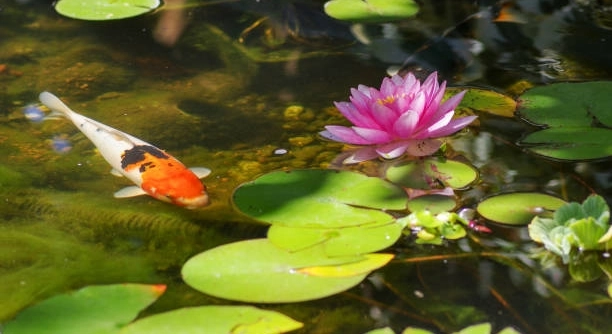
Koi fish are popular pets that need good care to stay healthy. Sometimes, their appetite can decrease due to changes in environment or health. Finding natural ways to encourage them to eat is important for their well-being and growth.
Boosting koi fish appetite naturally involves improving water quality, providing varied and nutritious food, maintaining consistent feeding schedules, using natural appetite stimulants, ensuring proper tank environment, reducing stress factors, and monitoring health regularly to promote optimal feeding behavior.
Applying these simple, natural methods can help maintain your koi’s appetite and overall health. The following tips will guide you through practical ways to support your fish’s natural eating habits.
Improve Water Quality
Maintaining clean water is crucial for koi fish appetite. Dirty or poorly filtered water can stress fish and reduce their desire to eat. Regular water changes help remove waste and toxins. Checking pH levels and ammonia is also important, as koi prefer slightly alkaline water around pH 7 to 8. Avoid sudden changes in temperature or chemistry, since koi are sensitive to fluctuations. Using a good filtration system and aeration can keep water oxygenated, which supports healthy metabolism and appetite. Clean water creates a stable environment that encourages koi to feed regularly. I always found that consistent water care made a noticeable difference in how eagerly my koi responded to food.
Proper water maintenance is one of the easiest ways to naturally boost koi appetite. It helps prevent illness and promotes well-being.
Regular water monitoring combined with partial water changes of 20-30% weekly keeps water fresh without causing stress. Testing kits are affordable and simple to use. Also, avoid overcrowding the pond, as excess fish waste can deteriorate water quality quickly. When water is clear and stable, koi tend to show more active behavior, including feeding. Water temperature between 65°F and 75°F supports digestion, so adjusting feeding routines seasonally is useful. Overall, focusing on water quality lays a strong foundation for healthy appetite and growth in koi fish.
Provide Varied and Nutritious Food
Koi need a balanced diet to stay healthy and interested in eating. Feeding only one type of food may cause them to lose appetite. Introducing variety keeps them engaged and ensures they get essential nutrients. Quality pellets designed for koi provide protein, vitamins, and minerals. Supplementing with fresh vegetables like peas, lettuce, or watermelon adds fiber and natural sugars. Occasional treats such as earthworms or shrimp offer protein boosts. Avoid overfeeding, as uneaten food pollutes the water and can harm appetite. Feeding small portions two to three times daily is ideal. Variety combined with moderation supports natural feeding instincts and encourages regular eating.
Mixing food types helps maintain a healthy appetite by providing balanced nutrition. Different textures and flavors keep koi interested in feeding time.
Maintain Consistent Feeding Schedule
Koi respond well to routine. Feeding them at the same times daily helps regulate their appetite. Consistency reduces stress and trains koi to expect food, improving their interest in eating.
Setting regular feeding times, preferably morning and late afternoon, fits their natural activity patterns. Sudden changes in feeding can cause koi to hesitate or eat less. It’s helpful to feed smaller amounts more frequently rather than a large portion once. This approach prevents overfeeding and waste buildup in the pond. When koi learn to anticipate food, they become more active and responsive. Over time, a predictable schedule helps maintain steady appetite and supports digestive health.
Skipping or varying feeding times often confuses koi and may lower their appetite. Consistent feeding strengthens their routine and reinforces healthy eating habits, which contributes to overall vitality.
Use Natural Appetite Stimulants
Certain natural supplements can encourage koi to eat more. Adding garlic or spirulina to their diet is common. Garlic acts as a mild immune booster and may stimulate feeding behavior. Spirulina, a nutrient-rich algae, supports health and adds flavor to food.
Garlic can be mixed with pellets or soaked in water before feeding. It has been found to improve koi appetite while also repelling some parasites. Spirulina provides protein, vitamins, and antioxidants, making food more appealing. These additions should be used moderately to avoid over-supplementation. Fresh herbs like mint or basil can also attract koi, providing variety and natural stimulation. Using natural stimulants enhances diet quality and encourages koi to eat without artificial additives or chemicals.
These supplements work best combined with proper care and clean water. They help maintain koi interest in food and support overall well-being effectively.
Ensure Proper Tank Environment
Koi need enough space to swim freely. Overcrowding leads to stress and reduces appetite. Adequate pond size and hiding spots help koi feel secure and comfortable.
Proper lighting also affects feeding. Natural daylight encourages activity, but avoid harsh direct sunlight that can overheat the pond and stress fish.
Reduce Stress Factors
Stress lowers koi appetite and weakens immune systems. Loud noises, sudden movements, or predators near the pond cause stress. Minimizing these disturbances supports feeding.
Regular pond maintenance and a calm environment make koi feel safe and more willing to eat.
Monitor Health Regularly
Watching koi for signs of illness or parasites is vital. Sick fish often lose appetite and need prompt care.
Early detection prevents serious problems and helps restore normal feeding behavior.
Avoid Overfeeding
Overfeeding pollutes water and harms koi health. Feeding only what koi consume in five minutes keeps water clean.
Balanced feeding supports appetite and overall pond health.
FAQ
How can I tell if my koi fish is not eating enough?
Signs of reduced appetite include less active behavior, staying at the bottom of the pond, and ignoring food during feeding times. You might also notice weight loss or a dull appearance in the fish. Monitoring their usual behavior helps identify changes early.
What are the best natural foods to improve koi appetite?
High-quality pellets formulated for koi provide balanced nutrition. Fresh vegetables like peas, lettuce, or watermelon add fiber and variety. Occasional protein treats such as earthworms or shrimp can boost appetite. Garlic and spirulina are also effective natural supplements that stimulate feeding.
How often should I feed my koi fish?
Feeding two to three times daily in small amounts is ideal. This approach prevents overfeeding and water pollution. During cooler months, koi metabolism slows, so reduce feeding frequency accordingly. Consistency in timing helps maintain a healthy appetite.
Can water temperature affect koi appetite?
Yes. Koi are cold-blooded and their metabolism depends on water temperature. Between 65°F and 75°F is optimal for digestion and feeding. Below this range, koi eat less, so adjusting feeding habits with seasons is important for their health.
What causes koi fish to lose appetite suddenly?
Stress from poor water quality, overcrowding, sudden temperature changes, or illness can cause a loss of appetite. It’s important to check water parameters, pond environment, and observe fish for signs of disease if appetite drops suddenly.
Is overfeeding harmful to koi fish?
Overfeeding leads to uneaten food sinking and decaying, which pollutes the water and causes stress. This can result in poor water quality, disease, and reduced appetite. Feeding only what koi can consume within five minutes is recommended.
Are there specific plants or pond features that help koi eat better?
Providing shaded areas and hiding spots reduces stress and encourages natural behavior, including feeding. Plants that offer cover and attract insects can also stimulate appetite by mimicking a natural environment.
How long should I wait to feed koi after cleaning the pond?
Wait until water parameters stabilize and the pond temperature returns to normal. Cleaning can temporarily stress koi, so giving them time to settle before feeding helps avoid refusal of food.
Can disease affect koi appetite?
Yes, diseases like parasites, bacterial infections, or internal worms often reduce feeding interest. Early detection and treatment are essential to restore appetite and prevent worsening health.
Is it necessary to change koi diet seasonally?
Adjusting diet based on water temperature and koi activity is important. In warmer months, koi require more protein for growth and energy. In cooler months, low-protein, wheat germ-based foods are easier to digest and maintain health.
What role does stress play in koi appetite?
Stress suppresses koi appetite and weakens immune response. Causes include predators, loud noises, overcrowding, or poor water conditions. Creating a calm, stable environment helps maintain normal feeding habits.
Can I feed koi human food?
Feeding koi small amounts of certain vegetables or fruits is acceptable, but avoid processed or salty foods. Foods like bread, chips, or sugary snacks harm koi health and should never be given.
How can I stimulate koi appetite naturally without supplements?
Maintaining clean water, proper feeding schedules, and varied diet naturally stimulate appetite. Providing a peaceful pond environment with adequate space also encourages koi to feed regularly.
What is the best way to introduce new foods to koi?
Introduce new foods gradually alongside regular diet. Observe koi reactions and reduce or stop if any negative effects appear. Variety helps prevent boredom and supports nutritional balance.
Should I fast my koi occasionally?
Occasional fasting, such as one day per week, can help koi digest food better and prevent digestive issues. However, fasting should be done carefully and not during cold weather or if koi appear weak.
Final thoughts are important when caring for koi fish, especially when focusing on boosting their appetite naturally. Maintaining a healthy appetite in koi is essential for their overall well-being and longevity. Each koi’s feeding habits can be influenced by many factors, such as water quality, temperature, environment, and stress levels. Taking time to understand these factors can help improve how well koi eat and thrive in the pond. Consistent care and attention to these details will benefit the fish in the long run.
One key aspect to remember is that koi fish appetite is closely linked to their living conditions. Clean water and a stable environment are fundamental. Poor water quality or overcrowded ponds increase stress and reduce feeding interest. Feeding routines should be steady and balanced to avoid overfeeding or underfeeding, both of which can cause health problems. Adding natural supplements and fresh foods can stimulate appetite but should not replace a well-rounded diet. Being mindful of the fish’s natural behavior and seasonal needs also plays a role in supporting their feeding habits.
Lastly, patience and observation are vital in managing koi appetite. Changes in feeding can signal health issues or environmental problems that need prompt attention. By regularly checking water parameters, pond conditions, and fish behavior, koi owners can prevent problems before they worsen. Making adjustments based on these observations will support koi health and encourage a natural, steady appetite. Overall, natural methods to boost koi appetite require a thoughtful approach and ongoing care to ensure the fish remain healthy and active.

Hello,
If you enjoy the content that we create, please consider saying a "Thank You!" by leaving a tip.
Every little bit helps us continue crafting quality advice that supports the health, happiness, and well-being of pets around the world, for pets of all shapes, sizes, and species.
We really appreciate the kindness and support that you show us!