
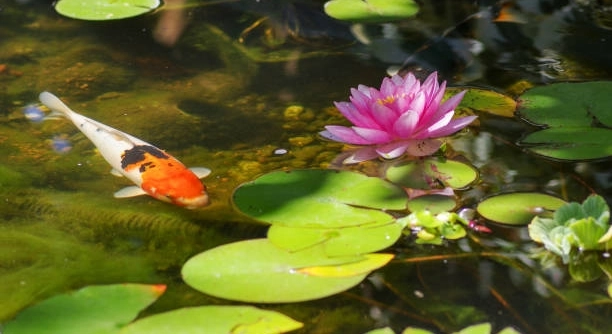
Koi fish are popular for their beautiful colors and graceful movements. Many koi keepers want to keep their fish looking bright and healthy. The right foods can help boost and maintain those vibrant colors naturally.
Certain natural foods contain pigments and nutrients that enhance the color of koi fish. Ingredients such as spirulina, shrimp, and krill are rich in carotenoids, which koi metabolize to intensify their reds, oranges, and yellows. A balanced diet with these foods supports healthy coloration.
Learning about these foods can improve your koi’s appearance and health. This article explains seven natural options to brighten your koi’s colors effectively.
Spirulina: A Natural Color Booster
Spirulina is a type of blue-green algae that is rich in pigments called carotenoids and phycocyanin. These pigments help enhance the red and orange colors in koi fish naturally. Spirulina is also packed with proteins, vitamins, and minerals, which support overall fish health. Including spirulina in koi diets can lead to brighter, more vibrant colors. It is often available as a powder or pellet supplement, making it easy to add to regular fish food. Many koi keepers notice a visible difference in their fish’s coloration after consistent feeding with spirulina. It also helps improve the immune system, keeping koi healthy and more resistant to diseases. Regular use of spirulina supports both the beauty and well-being of koi in a natural way, without the need for artificial color enhancers.
Spirulina’s natural pigments make it an effective and safe choice to improve koi color while promoting health.
Adding spirulina to your koi’s diet is simple and beneficial. Start by mixing small amounts of spirulina powder into their daily feed. You can also find commercial koi pellets enriched with spirulina. Feed consistently over several weeks for best results. Avoid overfeeding to keep water quality stable. Spirulina not only enhances color but also boosts your koi’s vitality, making it a valuable addition to any feeding routine.
Shrimp: A Rich Source of Carotenoids
Shrimp are a natural source of astaxanthin, a powerful carotenoid that enhances the red and pink tones in koi fish. This pigment is directly absorbed by the fish, leading to deeper, more vivid colors. Shrimp can be given fresh, frozen, or dried, depending on availability and convenience. Feeding shrimp to koi adds variety to their diet and supports muscle development and energy. Additionally, shrimp are rich in protein and essential fatty acids, contributing to the fish’s overall health. Including shrimp in the diet two to three times a week is enough to see noticeable improvements in coloration. Shrimp also encourage natural feeding behaviors, keeping koi active and engaged in their environment. Using shrimp as part of a balanced diet is a natural way to maintain and boost koi fish color over time.
Regular shrimp feedings support bright, healthy koi colors while providing essential nutrients and variety.
Krill: Enhancing Vibrant Reds and Oranges
Krill are tiny crustaceans rich in natural pigments like astaxanthin, which deeply enhance koi’s red and orange colors. Their high protein content also supports growth and vitality.
Feeding krill to koi provides essential nutrients that strengthen their immune system and improve coloration. Krill are especially rich in omega-3 fatty acids, which help maintain healthy skin and scales. They are available fresh, frozen, or dried, making them convenient for regular feeding. Incorporating krill into the diet two to three times a week ensures koi receive the benefits without overfeeding. Many koi owners notice a brighter, richer color palette when krill is part of the feeding routine. This natural source of pigment supports koi health and beauty together.
Krill also encourage natural foraging behavior in koi, keeping them active and engaged. The combination of nutrients and color pigments makes krill a valuable food for enhancing koi appearance naturally.
Carrots: A Simple Color Supplement
Carrots contain beta-carotene, which koi convert to vitamin A and use to boost their orange and red tones. Feeding carrots can help brighten dull colors over time.
Carrots are an easy, affordable food to add to a koi diet. They can be fed fresh, shredded, or steamed to soften them. Many koi enjoy nibbling on carrot pieces, making it a good way to introduce vegetables into their meals. Beta-carotene in carrots works alongside other pigments to improve color intensity. Feeding small amounts regularly supports color enhancement without upsetting digestion. Carrots also provide fiber and antioxidants, which help maintain koi health and vitality. Including carrots as part of a balanced diet contributes to stronger, more vivid coloration naturally.
Kale: A Leafy Color Enhancer
Kale is rich in vitamins and carotenoids that help improve koi coloration, especially greens and yellows. It also supports overall health with antioxidants and fiber.
Feeding kale regularly helps maintain strong colors and aids digestion. It can be given fresh or blanched to soften the leaves for easier eating.
Peppers: Natural Color Boosters for Koi
Peppers, especially red and orange varieties, contain high levels of carotenoids like beta-carotene and capsanthin. These pigments naturally intensify koi’s warm colors, making reds and oranges more vivid. Fresh or dried peppers can be finely chopped or pureed and added to koi food. Including peppers in the diet adds antioxidants and vitamins, which promote fish health and support vibrant coloration. Peppers also offer a natural way to introduce variety and nutrients, helping koi maintain strong, eye-catching colors. Use peppers sparingly at first to monitor koi acceptance and prevent digestive upset.
Sweet Potato: Color and Nutrition in One
Sweet potato is another excellent source of beta-carotene, aiding in enhancing koi’s red and orange shades naturally.
What foods naturally enhance koi fish color?
Natural foods that enhance koi color include spirulina, shrimp, krill, carrots, kale, peppers, and sweet potatoes. These foods are rich in carotenoids and other pigments, which koi metabolize to intensify their red, orange, yellow, and green colors. Feeding these foods regularly can result in brighter, healthier-looking koi.
How does spirulina improve koi coloration?
Spirulina is packed with blue-green pigments and carotenoids, which koi use to boost red and orange hues. It also provides protein and vitamins that support overall health. When added consistently to koi diets, spirulina helps maintain strong, vibrant colors without artificial additives.
Can shrimp and krill be fed fresh or frozen?
Yes, shrimp and krill can be given fresh, frozen, or dried. Frozen options are convenient and retain most of the nutrients and pigments needed to enhance koi color. Fresh or frozen shrimp and krill are excellent protein sources and natural pigment carriers like astaxanthin.
Are vegetables like carrots and kale good for koi color?
Vegetables such as carrots and kale contain beta-carotene and other pigments that help brighten koi colors naturally. Carrots enhance orange and red tones, while kale supports green and yellow shades. Offering these veggies in soft, easy-to-eat forms can encourage koi to accept them.
How often should these color-enhancing foods be fed?
Feeding color-enhancing foods two to three times per week is usually enough to see results. Balance is key—too much can affect water quality and digestion. Combine these foods with a high-quality staple diet to maintain koi health and vibrant colors over time.
Can sweet potatoes help improve koi coloration?
Yes, sweet potatoes are rich in beta-carotene and other nutrients that support koi’s red and orange colors. They also provide fiber and antioxidants. Sweet potatoes should be cooked and softened before feeding to make them easier for koi to digest.
Will peppers affect koi color if fed regularly?
Red and orange peppers contain carotenoids that help enhance warm colors in koi. Feeding peppers in small amounts adds natural pigments and vitamins to their diet, supporting brighter coloration. Introduce peppers gradually to avoid digestive issues.
Are there any risks feeding these natural color enhancers?
Feeding natural color enhancers is generally safe when done in moderation. Overfeeding can lead to poor water quality and digestive problems. Always monitor your koi’s health and water parameters, and maintain a balanced diet with these supplements.
Do these foods work quickly to change koi color?
Color changes happen gradually and depend on consistent feeding and water quality. It can take several weeks to notice visible improvements. Patience and a balanced approach to feeding will produce the best, long-lasting color results.
Can koi color be enhanced without artificial dyes?
Yes, natural foods rich in carotenoids and nutrients are the best way to enhance koi color without artificial dyes. These foods support fish health while improving color safely and naturally, avoiding the risks associated with synthetic additives.
Is it necessary to supplement koi diet with color enhancers year-round?
Supplementing year-round is not always necessary. Koi often benefit most during warmer months when they are actively feeding and growing. In colder seasons, their metabolism slows down, so color enhancement foods should be reduced accordingly.
How does water quality affect koi color?
Good water quality is essential for maintaining vibrant koi colors. Poor water conditions can stress fish and dull their colors, even with the best diet. Regular water changes, proper filtration, and balanced feeding help koi display their brightest colors.
Can koi keepers mix these natural foods together?
Yes, mixing these foods in a balanced way can provide a range of pigments and nutrients to support strong coloration. Rotate between spirulina, shrimp, vegetables, and other options to keep the diet varied and interesting for the koi.
Are commercial koi foods with color enhancers effective?
Many commercial koi foods contain natural pigments like spirulina and astaxanthin. These can be effective if they use quality ingredients. However, supplementing with fresh natural foods can further improve color and health.
What is the best way to introduce new color-enhancing foods?
Introduce new foods slowly by mixing small amounts with regular feed. Observe how koi respond before increasing portions. This helps prevent digestive upset and allows koi to adjust to new flavors and textures comfortably.
Can color-enhancing foods also improve koi health?
Yes, most natural color enhancers provide essential vitamins, proteins, and antioxidants that boost koi immune systems and overall health. Healthier fish tend to have stronger, more vibrant colors naturally.
This FAQ covers common concerns about feeding koi natural color enhancers, helping maintain beautiful fish through safe, effective diet choices.
Koi fish are admired for their bright and beautiful colors, which can bring life and charm to any pond. Feeding koi the right foods plays a key role in keeping their colors vibrant and healthy. Natural foods like spirulina, shrimp, carrots, kale, peppers, krill, and sweet potatoes offer important pigments and nutrients that help koi show their best colors. These foods work by providing carotenoids and other compounds that koi absorb and use to enhance their red, orange, yellow, and green tones. Using natural color enhancers is a safe and effective way to keep koi looking bright without relying on artificial dyes.
It is important to remember that feeding these foods in moderation is the best approach. Overfeeding can cause problems like poor water quality and digestion issues for koi. Offering color-enhancing foods two or three times a week alongside a balanced diet helps maintain strong coloration and good health. Also, keeping the pond clean and maintaining proper water conditions is just as important as diet for showing off vibrant koi colors. Healthy water and a well-balanced diet go hand in hand to support the fish’s overall wellbeing and natural beauty.
Finally, patience is key when using natural foods to improve koi coloration. Changes happen gradually, usually over several weeks of consistent feeding. It is helpful to mix different color-enhancing foods for a variety of nutrients and pigments. Feeding spirulina, shrimp, and vegetables regularly supports not only color but also immune health and vitality. This simple and natural approach keeps koi fish colorful and healthy for the long term, making pond keeping a rewarding and enjoyable experience.

Hello,
If you enjoy the content that we create, please consider saying a "Thank You!" by leaving a tip.
Every little bit helps us continue crafting quality advice that supports the health, happiness, and well-being of pets around the world, for pets of all shapes, sizes, and species.
We really appreciate the kindness and support that you show us!