
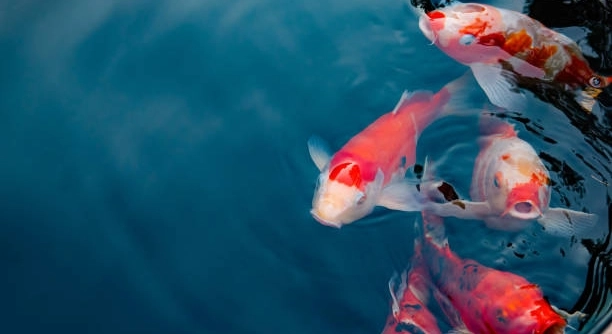
Caring for a koi pond means more than just feeding fish. Plants play an important role in keeping the water clean and the environment healthy. Choosing the right water plants can improve the pond’s look and balance.
Seven water plants thrive well in koi ponds due to their adaptability, oxygen production, and ability to provide shelter for fish. These plants also help control algae growth and maintain water quality by absorbing excess nutrients efficiently.
Knowing which plants suit your pond can make a big difference. These options bring beauty and function together, creating a healthy space for your koi to flourish.
Water Lilies: Classic Beauty and Shade
Water lilies are a popular choice for koi ponds because they offer both beauty and practical benefits. Their broad leaves provide shade, which helps keep the water temperature cooler during hot days. This shade also limits algae growth by reducing sunlight exposure. Water lilies have lovely flowers that bloom on the surface, adding color and elegance. These plants grow best in still water and need a sunny spot for at least six hours a day. They root in the pond’s soil, so placing them in containers can help control their spread. Koi enjoy hiding beneath the lily pads, which gives them a sense of safety from predators. Water lilies are fairly low maintenance but require occasional trimming to prevent overcrowding. Regular care ensures they continue to improve the pond’s look and health.
These plants also help improve oxygen levels in the water, which benefits the fish.
Adding water lilies creates a calm, natural atmosphere that many pond owners appreciate. Their beauty and function make them a top pick for koi ponds.
Hornwort: Fast-Growing Oxygenator
Hornwort is a fast-growing plant that helps keep pond water clean and oxygen-rich.
Hornwort grows quickly and floats freely or can be anchored. It absorbs excess nutrients, preventing algae from taking over the pond. Its fine, feathery leaves provide hiding spots for koi fry and other small aquatic creatures. Hornwort is tough and can tolerate a range of water conditions, including varying temperatures and light levels. Because it grows rapidly, regular thinning is needed to avoid overcrowding. This plant also improves water clarity by trapping debris and allowing beneficial bacteria to thrive on its surfaces. Hornwort’s dense growth helps stabilize the pond’s ecosystem, promoting healthier fish and clearer water. While it doesn’t flower, its bright green color adds fresh vibrancy to the pond environment. Including hornwort in your koi pond supports balance and keeps water quality high throughout the seasons.
Water Hyacinth: Floating Beauty and Filter
Water hyacinth floats on the pond’s surface and adds a decorative touch with its purple flowers.
This plant absorbs nutrients quickly, which helps reduce algae growth by competing for the same resources. Water hyacinth’s roots hang below the surface, filtering the water and providing shelter for koi fry. It thrives in full sun but can tolerate partial shade. Because it grows fast, it may need regular thinning to prevent it from covering too much of the pond surface.
Water hyacinth also improves oxygen levels during the day through photosynthesis, supporting a healthy pond environment. It’s an effective natural filter and a charming addition to koi ponds when properly managed.
Anacharis: Submerged Oxygenator
Anacharis grows underwater and produces oxygen that is vital for koi health. It also helps keep the water clear.
This plant grows densely, providing shelter and hiding spots for fish. It absorbs excess nutrients, limiting algae growth. Anacharis is easy to grow and tolerates a range of water temperatures, making it versatile for many ponds. Regular trimming keeps it from overtaking the space. Besides oxygen production, Anacharis supports beneficial bacteria that break down waste, contributing to a balanced pond ecosystem. It does well fully submerged and prefers moderate light. Including Anacharis enhances the pond’s oxygen levels and helps maintain clear, healthy water.
Cattails: Natural Pond Borders
Cattails add a natural look to pond edges and help filter water by trapping sediment.
Their tall stalks provide shade and shelter for koi, while their roots stabilize the soil, preventing erosion around the pond.
Water Lettuce: Floating Green Cushion
Water lettuce floats on the surface with rosette-like leaves that shade the water. It slows algae growth by blocking sunlight.
This plant’s roots hang below, filtering water and offering hiding spots for small pond creatures. Water lettuce thrives in warm conditions but needs protection from strong winds to avoid damage.
Pickerelweed: Colorful and Useful
Pickerelweed grows along pond edges with tall spikes of blue flowers that add color and interest.
Its broad leaves shade water and reduce algae growth, while its roots help absorb excess nutrients. This plant also attracts beneficial insects, contributing to the pond’s natural balance.
FAQ
What water plants are best for koi ponds?
The best water plants for koi ponds are those that balance beauty and function. Plants like water lilies, hornwort, water hyacinth, and Anacharis provide shade, oxygen, and nutrient control. They help maintain water clarity and offer shelter for koi. Choosing plants suited to your pond’s size and light conditions is key to success.
How do water plants help koi ponds?
Water plants help koi ponds by absorbing excess nutrients, which reduces algae growth. They also produce oxygen during photosynthesis, improving water quality. Shade from plants cools the water, preventing temperature spikes that stress koi. Additionally, plants offer hiding spots that make koi feel safe, supporting their health and behavior.
Can koi eat water plants?
Koi will nibble on some water plants, especially soft, tender types like water lettuce and water hyacinth. However, many plants like cattails or pickerelweed are tougher and less likely to be eaten. It’s good to provide a mix of plants, knowing koi may nibble but won’t usually destroy well-established vegetation.
How do I control plant overgrowth in my pond?
Regular trimming and thinning are essential to prevent plants from taking over the pond. Floating plants like water hyacinth can grow quickly, so remove excess regularly. Submerged plants like Anacharis also need trimming. Using containers for root plants helps limit spread, and balancing plant types reduces overcrowding naturally.
Do water plants affect water temperature?
Yes, water plants help regulate water temperature by providing shade. Floating and broad-leaf plants block sunlight, keeping the water cooler in summer. Cooler water supports koi health by preventing heat stress and lowering oxygen demand. Shade also helps prevent algae blooms caused by warm, sunlit water.
Are all water plants safe for koi?
Most common pond plants are safe for koi, but some can cause issues if eaten in large amounts or if they introduce toxins. It’s best to avoid plants known to be harmful and choose those commonly recommended for koi ponds. If in doubt, research specific plants or consult a pond specialist.
How often should I clean my pond when I have water plants?
With healthy water plants, pond cleaning can be less frequent because plants help filter water naturally. However, removing dead leaves, trimming overgrowth, and cleaning debris regularly keep the pond balanced. Seasonal deep cleaning is still needed to maintain overall pond health and prevent buildup of sludge.
Can I grow water plants in small koi ponds?
Yes, but choose plants carefully to avoid overcrowding. Smaller ponds benefit from compact plants like water lilies in containers or a few floating plants like water lettuce. Submerged plants like Anacharis also work well. Managing plant quantity and growth is important to keep the pond healthy without choking the space.
How do I introduce water plants to a new koi pond?
Introduce plants slowly, starting with easy-to-grow types that stabilize water conditions. Place root plants in containers before submerging, and add floating plants gradually. Monitor how plants grow and adjust placement or quantity to prevent overcrowding. Proper planting helps establish a balanced pond ecosystem over time.
Can water plants prevent algae in koi ponds?
Yes, water plants reduce algae by competing for nutrients and blocking sunlight with their leaves. Plants absorb excess nitrogen and phosphorus that algae need to grow. Providing enough plants and managing their growth keeps algae under control, helping maintain clear, healthy water for koi.
Choosing the right water plants for a koi pond is important for both the health of the fish and the overall look of the pond. Plants provide natural benefits like oxygen, shade, and nutrient control, which help keep the water clean and balanced. Including a variety of plants such as water lilies, hornwort, and water hyacinth can create a healthier environment for koi to thrive. Each plant plays a specific role, whether it is adding beauty, providing shelter, or reducing algae growth. Taking the time to understand which plants work best for your pond will lead to a more enjoyable and sustainable setup.
Maintaining water plants in a koi pond requires regular care and attention. Trimming fast-growing plants and removing dead leaves prevents overcrowding and helps maintain water quality. Some plants grow quickly and need to be thinned out to avoid blocking too much sunlight or covering the pond surface entirely. Using containers for root plants can make managing their growth easier. Proper care ensures that plants continue to support the pond’s ecosystem without becoming a burden. This maintenance effort is well worth it, as healthy plants improve the water and provide a safe habitat for koi.
When selecting plants, it is also important to consider your pond’s size, sunlight, and climate. Some plants need full sun, while others tolerate partial shade or cooler temperatures. Matching plants to your pond’s conditions helps them grow better and reduces problems. Introducing plants gradually and monitoring their growth will give you time to adjust if needed. Overall, combining the right plants and proper care creates a balanced and beautiful koi pond. This balance supports your koi’s health and makes the pond a peaceful place to enjoy.

Hello,
If you enjoy the content that we create, please consider saying a "Thank You!" by leaving a tip.
Every little bit helps us continue crafting quality advice that supports the health, happiness, and well-being of pets around the world, for pets of all shapes, sizes, and species.
We really appreciate the kindness and support that you show us!