
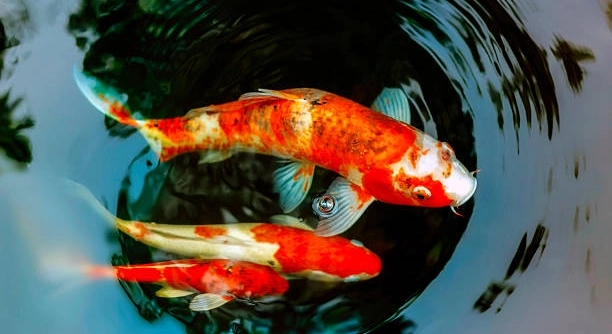
Adding snails to a koi pond can enhance its natural balance and beauty. These small creatures help keep algae in check and contribute to a cleaner environment. However, not all snails are suitable for every pond setup.
Before introducing snails, it is important to consider their species, compatibility with koi fish, and potential impact on water quality. Proper selection and care ensure the snails support pond health without causing harm or overpopulation.
Understanding these factors will help maintain a thriving koi pond ecosystem. This article provides essential information for safely adding snails to your pond.
Choosing the Right Snails for Your Koi Pond
Selecting the appropriate snail species is key to maintaining balance in your koi pond. Not all snails thrive in the same conditions or coexist peacefully with koi fish. Some snails, like apple snails and mystery snails, are popular because they help control algae without damaging plants. However, certain snail species may reproduce rapidly, leading to overpopulation and affecting water quality. It is important to research the snail’s habitat needs, size, and behavior before adding them. Avoid snails that may carry parasites or cause damage to the pond’s ecosystem. A healthy snail population contributes to reducing algae and cleaning debris while maintaining a stable environment for koi. Introducing a controlled number of snails at once allows you to monitor their impact and prevent sudden imbalances. Keeping track of snail growth and the pond’s water conditions will help you respond quickly if any issues arise.
Proper snail selection reduces risks and supports a healthier pond ecosystem.
Monitoring snail species and quantity helps keep your pond in balance and protects koi health.
Snail Impact on Water Quality
Snails play a role in maintaining water quality by feeding on algae and organic waste. However, if their numbers grow too large, they can contribute to increased waste, which strains the pond’s filtration system. Overpopulation may cause excess nutrients, leading to poor water conditions that harm koi fish. It is important to balance the snail population and regularly check water parameters such as ammonia, nitrites, and nitrates. Removing excess snails and cleaning the pond helps avoid water quality decline. Introducing snails gradually while monitoring their effect will prevent sudden changes. Keeping the pond clean and maintaining a proper filtration system support healthy water conditions. Snails are beneficial, but their impact depends on careful management and regular maintenance. Ensuring water quality promotes koi health and overall pond stability.
Feeding and Care for Pond Snails
Snails usually feed on algae, dead plant material, and leftover fish food in the pond. They help keep the pond clean but sometimes need additional feeding if natural food is scarce. Providing a balanced diet helps maintain their health and activity.
If the pond lacks sufficient algae or organic matter, supplement snail food with vegetables like lettuce or zucchini. Avoid overfeeding, as excess food can pollute the water. Regularly check for dead or sick snails and remove them to prevent water contamination. Clean the pond environment to reduce harmful buildup and ensure snails have a safe habitat.
Proper care extends snail lifespan and supports their role in pond cleanliness. Healthy snails contribute to a balanced ecosystem that benefits koi and pond aesthetics.
Managing Snail Population Growth
Snail populations can grow quickly, especially in nutrient-rich ponds. Controlling their numbers prevents overcrowding, which can negatively impact water quality and plant health. Monitoring population size regularly helps keep the balance.
To control growth, consider natural predators like certain fish species that consume snails. Manual removal is also effective for preventing excess numbers. Maintain proper pond maintenance by cleaning debris and limiting excess nutrients to reduce snail breeding grounds. Overcrowded snails compete for food and oxygen, which can harm both snails and koi. Balancing the ecosystem requires active management and observation to prevent any population-related problems in the pond environment.
Potential Risks of Adding Snails
Snails can introduce parasites or diseases to a koi pond if not properly sourced. They may also damage delicate aquatic plants by overgrazing. Choosing healthy snails and monitoring their impact minimizes these risks.
Overpopulation leads to excess waste, which can reduce water quality and harm koi fish. Keeping populations controlled is essential.
Preventing Snail-Related Issues
Regular pond maintenance and water testing reduce the chance of snail-related problems. Removing dead snails and controlling algae growth also help maintain balance.
Snails and Koi Compatibility
Most snails coexist peacefully with koi, but some koi may nip at or eat smaller snails. Larger, hard-shelled snails tend to fare better in koi ponds.
Signs of Snail Overpopulation
A sudden increase in snail shells or visible snails indicates overpopulation. Acting early prevents water quality issues.
FAQ
What types of snails are best for koi ponds?
Apple snails, mystery snails, and pond snails are common choices for koi ponds. They help control algae and consume decaying plant matter without harming koi. Avoid invasive or rapidly reproducing species that may upset the pond’s balance.
Can snails harm koi fish?
Generally, snails do not harm koi fish. However, some koi might nip at small or slow-moving snails. Larger, thick-shelled snails are less likely to be affected. Proper selection of snail species helps reduce any conflict.
How many snails should I add to my pond?
Start with a small number, such as five to ten snails, depending on your pond size. This allows you to monitor their impact and prevent overpopulation. Adjust the population gradually based on algae levels and water quality.
Do snails need extra food in a koi pond?
Usually, snails feed on algae and leftover fish food. If algae levels are low, supplement their diet with vegetables like lettuce or zucchini. Avoid overfeeding to prevent water pollution and maintain pond balance.
How can I control snail overpopulation?
Control snail numbers by introducing natural predators, such as certain fish species. Manual removal of excess snails helps maintain balance. Regular pond cleaning and reducing excess nutrients prevent rapid snail reproduction.
Are snails harmful to aquatic plants?
Some snails may eat or damage delicate aquatic plants, especially if algae is scarce. Monitor plant health and snail activity closely. Removing excess snails can help protect fragile vegetation.
Do snails affect water quality?
Snails help by eating algae and decaying matter, but too many can increase waste and nutrients. Overpopulation may lead to poor water conditions, which affect koi health. Maintaining balanced snail numbers supports water quality.
How do I introduce snails safely to my pond?
Quarantine new snails before adding them to the pond to check for parasites or diseases. Introduce snails gradually and monitor their effect on the ecosystem. Ensure water conditions meet their habitat needs.
Can snails survive winter in a koi pond?
Many pond snails can survive cold weather if the pond does not freeze completely. They become less active and may burrow into the substrate. Maintaining proper pond depth and water circulation helps their survival.
What signs indicate snail problems?
Signs include a sudden increase in visible snails or empty shells, algae overgrowth despite snails, or poor water quality readings. Noticing these early allows for quick management to prevent further issues.
How often should I check the snail population?
Regularly inspect your pond every two to four weeks. Monitoring helps track population growth and any impact on water quality or plant health. Timely adjustments prevent problems before they worsen.
Is it necessary to remove dead snails?
Yes, removing dead snails prevents decay that can pollute the water. Dead snails contribute to nutrient buildup, increasing algae and reducing oxygen levels. Regular cleanup supports a healthy pond environment.
Can snails carry diseases harmful to koi?
Snails can sometimes carry parasites that affect fish health. Proper quarantine and sourcing from reputable suppliers reduce this risk. Keeping the pond clean also lowers chances of disease spread.
What is the lifespan of pond snails?
Most pond snails live one to two years. Lifespan depends on species, environment, and available food. Healthy conditions extend their lifespan and their positive contribution to the pond ecosystem.
Can I mix different snail species in one pond?
Mixing compatible species is possible, but monitor their interaction carefully. Some snails may compete for food or space. Choose species with similar habitat requirements and growth rates for better balance.
Final Thoughts
Adding snails to a koi pond can be beneficial when done with care and proper planning. Snails help keep the pond clean by feeding on algae, dead plant matter, and leftover fish food. Their presence can reduce the need for frequent manual cleaning and improve the overall pond environment. However, snails are living creatures that require attention and management. It is important to choose the right species that fit well with your koi and pond conditions. Introducing snails gradually and monitoring their effect will help maintain a balanced ecosystem. Too many snails can lead to overpopulation, which may cause water quality problems and damage to aquatic plants.
Maintaining water quality is crucial for both snails and koi fish. Snails contribute to breaking down organic waste, but they also produce waste themselves. If their numbers become too high, excess waste can increase nutrient levels, leading to algae blooms and poor water conditions. Regular pond maintenance, including cleaning debris and checking water parameters, helps prevent these issues. Controlling snail population growth through manual removal or natural predators keeps the pond healthy. Additionally, removing dead or sick snails prevents harmful buildup and reduces the risk of disease spreading. Taking these steps ensures that snails remain a helpful part of the pond’s ecosystem rather than a problem.
Understanding the needs and potential risks of pond snails will help you make informed decisions for your koi pond. Snails can coexist peacefully with koi, but monitoring their impact is necessary. Proper care, balanced populations, and regular maintenance create a stable environment where both snails and koi thrive. Being proactive with snail management avoids surprises like overpopulation or water quality decline. A well-managed pond provides a clean, healthy habitat for koi while benefiting from the natural cleaning role of snails. Careful attention to these factors will contribute to the long-term success of your koi pond.

Hello,
If you enjoy the content that we create, please consider saying a "Thank You!" by leaving a tip.
Every little bit helps us continue crafting quality advice that supports the health, happiness, and well-being of pets around the world, for pets of all shapes, sizes, and species.
We really appreciate the kindness and support that you show us!