
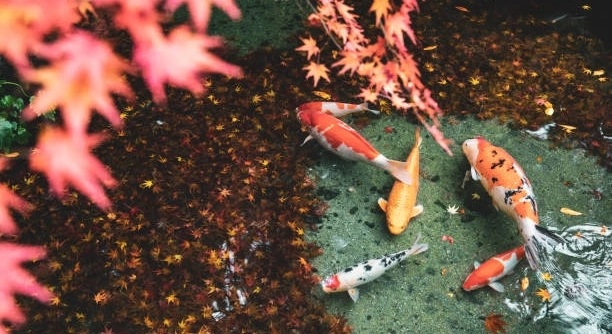
Many koi fish lovers want to create the perfect home for their colorful pets. Choosing the right pond size helps ensure koi stay healthy and happy in their environment. This article explains the ideal pond space for each koi fish.
The ideal pond size per koi fish is generally at least 250 gallons, with a minimum of 250 square feet of surface area. This space allows for proper growth, swimming room, and water quality management to maintain the koi’s health.
Knowing the correct pond size supports better care and longevity for koi fish. It also helps prevent common problems related to overcrowding and poor water conditions.
Why Pond Size Matters for Koi Fish
Choosing the right pond size for koi fish is important because it affects their health and happiness. Koi grow quite large, sometimes over two feet long, so they need plenty of room to swim and develop properly. If the pond is too small, the water quality can quickly decline because of waste buildup, stressing the fish and increasing disease risks. Proper space helps maintain oxygen levels and reduces aggressive behavior among koi. A larger pond also means easier temperature regulation and more stable conditions. This leads to a longer, healthier life for the fish. Many koi owners don’t realize how much space is really needed, and end up with overcrowded ponds that harm the fish. Planning for enough water volume and surface area is essential from the start. It also gives room for plants and filtration systems, which help keep the pond clean and balanced.
Healthy koi need adequate space to thrive. Without it, problems arise quickly.
Understanding pond size impacts not only fish health but also maintenance needs. A well-sized pond reduces stress for both koi and their keepers. This knowledge helps ensure your pond stays a safe, pleasant home for years.
Calculating the Right Pond Size per Koi
The space needed per koi depends on the fish’s size and number. A common rule is to allow at least 250 gallons of water for each adult koi. This translates to roughly 250 square feet of surface area, which supports oxygen exchange and keeps water healthy. For example, if you have four koi, a pond holding about 1,000 gallons is recommended. This space helps reduce overcrowding and supports growth. Shallow ponds can cause rapid temperature changes and are not ideal. Deeper ponds, around 3 feet or more, offer better temperature stability and protection from predators. Also, remember that koi grow over time, so plan for their adult size, not just when they’re young. Keeping these factors in mind helps create a sustainable environment for your koi.
Using these guidelines ensures koi have enough room to swim freely and stay healthy. Proper pond size is key to successful koi keeping.
Common Mistakes When Sizing a Koi Pond
Many koi keepers underestimate the space their fish need. Overcrowding leads to poor water quality and stressed fish. Ignoring growth potential is another common error, as koi can outgrow small ponds quickly.
When ponds are too small, waste builds up faster than filtration can handle. This creates harmful ammonia and nitrite levels that damage koi health. Small ponds also limit oxygen levels, especially in warm weather. Overcrowded koi compete for space and food, which can cause aggressive behavior and stunt growth. Some owners focus only on the number of fish and forget to consider the pond’s depth, which is crucial for stable temperatures and fish safety. Planning with adult koi size in mind prevents these problems and keeps your pond balanced.
Another mistake is neglecting seasonal changes. Shallow ponds heat up too fast in summer and freeze in winter. This stresses koi and can lead to illness. A deeper pond helps maintain stable water conditions year-round, giving koi a safer environment. Also, don’t forget to allow space for filtration equipment and aquatic plants, which improve water quality naturally.
How Water Quality Relates to Pond Size
Water quality is directly affected by how much space koi have. Larger ponds dilute waste better and support stronger biological filtration. Smaller ponds struggle to keep toxins low, risking fish health.
In bigger ponds, the balance between fish waste and beneficial bacteria works better. These bacteria break down harmful substances, keeping the water safe. More water volume means slower changes in water chemistry, which koi tolerate better. When ponds are too small, ammonia and nitrites spike quickly, causing stress or death. A properly sized pond also helps maintain oxygen levels, which koi need to breathe. With enough space, it’s easier to manage algae growth and keep the water clear.
Regular testing of water parameters is essential, but even with good care, an undersized pond makes maintaining stable, healthy conditions difficult. Giving koi enough space reduces the frequency of problems and lowers maintenance efforts. This means your fish are less likely to get sick, and your pond will be easier to enjoy and manage over time.
Pond Depth and Koi Health
Depth plays a crucial role in koi well-being. Shallow ponds are more prone to temperature swings, which stress the fish. Deeper ponds provide stable temperatures and protect koi from predators.
A pond depth of at least 3 feet is recommended to give koi enough room to swim comfortably and avoid extreme weather effects.
Planning for Future Growth
Koi grow quickly and can reach lengths of over two feet. It’s important to plan your pond size based on their adult size, not their current size.
Failing to consider this can lead to overcrowding and health problems. Planning ahead helps maintain a healthy environment for your koi over time.
Filtration and Pond Size
Proper filtration depends on the pond size and fish load. Larger ponds need stronger filtration systems to keep water clean.
Filtration helps maintain good water quality, which is vital for koi health and pond balance.
FAQ
How many koi can I keep in a 1,000-gallon pond?
A 1,000-gallon pond can comfortably house about four koi fish, following the guideline of 250 gallons per adult koi. This space ensures enough swimming room and helps maintain good water quality. Overcrowding beyond this number increases stress and health risks for your fish.
What happens if my pond is too small for my koi?
If the pond is too small, waste products build up quickly, causing poor water quality. This leads to high ammonia and nitrite levels, which can poison your koi. Overcrowding also reduces oxygen levels and causes stress, making koi more prone to illness and aggressive behavior.
Is pond depth really that important for koi?
Yes, depth is very important. A minimum depth of 3 feet helps maintain stable water temperatures and protects koi from predators and harsh weather. Shallow ponds heat up and cool down quickly, which stresses koi and can cause health problems.
Can I keep koi in a pond smaller than 250 gallons per fish if I clean it often?
Even with frequent cleaning, a smaller pond creates unstable conditions. Water chemistry can change quickly, and filtration might not keep up with waste. It’s better to provide enough space from the start to avoid stress and illness.
How does pond size affect filtration needs?
Larger ponds require stronger filtration systems because they hold more water and fish waste. Filtration breaks down harmful substances and keeps the water clean. Proper filtration is crucial for koi health, especially in bigger ponds with multiple fish.
Can I add more koi later if I start with fewer fish?
Yes, but only if your pond size and filtration system can handle the increase. Adding too many fish too fast can overwhelm the ecosystem. It’s best to add koi gradually and monitor water quality carefully to keep the pond balanced.
What is the minimum pond size for a single koi?
The minimum pond size for one adult koi is about 250 gallons, with at least 250 square feet of surface area. This space supports healthy growth, swimming, and proper water quality management.
Does pond shape affect how many koi I can keep?
Shape matters less than volume and surface area, but ponds with more surface area allow better oxygen exchange. Long, shallow ponds may heat faster, so deeper ponds with good surface area are preferred for koi health.
How often should I test my pond water?
Testing water weekly is ideal, especially for ammonia, nitrites, nitrates, and pH. Regular testing helps catch problems early and keeps your koi safe. If your pond is well-established and balanced, testing every two weeks may be enough.
What signs show that my pond is overcrowded?
Signs include cloudy water, algae blooms, stressed or lethargic fish, poor appetite, and increased aggression. Frequent illness or sudden fish deaths are serious warnings. Overcrowding disrupts the pond’s balance and needs to be addressed immediately.
Can plants help with pond water quality?
Yes, aquatic plants absorb nutrients and provide oxygen, improving water quality naturally. They also offer shade and shelter for koi. However, plants alone cannot replace proper pond size and filtration.
Is it okay to keep koi in an indoor pond?
Indoor ponds can work but require strict control of water quality, temperature, and filtration. Space is often limited indoors, so it’s important to ensure the pond is large enough and well-maintained to keep koi healthy.
How do seasonal changes affect koi ponds?
Seasonal changes impact temperature and oxygen levels. In winter, shallow ponds can freeze, harming koi. In summer, warm water holds less oxygen, stressing fish. A deeper pond helps reduce these risks by stabilizing conditions year-round.
What should I do if I have too many koi for my pond size?
Consider reducing the number of koi or expanding your pond. Upgrading filtration and increasing water changes can help temporarily, but overcrowding will eventually harm your fish. Planning space carefully is the best long-term solution.
Are small ponds harder to maintain?
Yes, smaller ponds require more frequent water changes and careful monitoring because water quality can change quickly. Larger ponds tend to be more stable and easier to maintain with proper filtration.
This FAQ covers common concerns and helps ensure your koi pond stays a healthy environment for your fish.
Choosing the right pond size for your koi fish is one of the most important steps in keeping them healthy and happy. Koi need enough space to swim freely, grow, and live comfortably. A pond that is too small can cause stress, poor water quality, and illness. It is important to plan for the adult size of your koi, not just when they are small. Giving each koi at least 250 gallons of water and enough surface area helps maintain a balanced and stable environment. This space also allows for proper oxygen levels and reduces the buildup of harmful waste.
Depth is just as important as the total size of the pond. A pond that is at least three feet deep helps protect koi from extreme temperature changes and predators. Shallow ponds can heat up too fast in the summer and freeze quickly in the winter. These sudden changes can harm your fish. Deeper ponds provide a safer, more comfortable space for koi throughout the year. Also, keep in mind the need for good filtration to keep the water clean. A well-sized pond makes it easier for filtration systems to work properly and for beneficial bacteria to keep the water healthy.
Ultimately, taking time to plan your koi pond carefully benefits both the fish and you. A pond that meets the size and depth requirements will require less maintenance and help your koi live longer, healthier lives. Overcrowding and poor planning can cause many avoidable problems, but with the right space and care, your koi can thrive. Remember to monitor water quality regularly and adjust your setup as needed. Good pond design creates a peaceful home for your koi and makes the whole experience more enjoyable.

Hello,
If you enjoy the content that we create, please consider saying a "Thank You!" by leaving a tip.
Every little bit helps us continue crafting quality advice that supports the health, happiness, and well-being of pets around the world, for pets of all shapes, sizes, and species.
We really appreciate the kindness and support that you show us!