
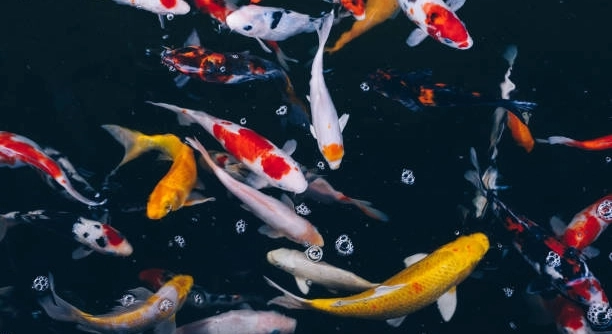
Koi fish are popular pets known for their beauty and peaceful nature. Many people enjoy feeding them, but it’s important to know what foods can harm them. Feeding the wrong items can affect their health and well-being.
There are specific foods that koi fish should never eat because they can cause digestive issues, illness, or even death. Avoid feeding koi bread, processed foods, raw meat, or anything high in sugar or salt. These items disrupt their natural diet and water quality.
Knowing what not to feed koi helps keep them healthy and vibrant. This article will explain the seven things you should avoid giving your koi fish for their safety and happiness.
Bread and Processed Foods
Bread and processed snacks are often offered to koi because they seem convenient, but they can be very harmful. These foods lack the nutrients koi need and contain additives that upset their digestion. Bread expands in their stomach, causing bloating and sometimes fatal swim bladder problems. Processed foods are typically high in salt and sugar, which are bad for koi’s delicate systems. Feeding these regularly can lead to poor water quality because uneaten bits break down quickly, polluting the pond. It’s best to stick with foods designed for koi or natural options like vegetables and specially formulated pellets. Even small amounts of bread or processed treats can cause long-term health issues for your fish, so it’s safer to avoid them entirely.
Avoid giving koi bread or processed foods to maintain their digestive health and keep your pond clean.
Choosing the right diet means avoiding these convenient but risky snacks. This helps koi stay strong and live longer in a healthy environment. Knowing what to avoid is just as important as knowing what to feed.
Raw Meat and Dairy Products
Raw meat and dairy may seem like protein sources, but they are unsuitable for koi. These items contain bacteria and fats that koi cannot digest properly. Feeding raw meat risks introducing harmful pathogens that cause infections or digestive upset. Dairy products, like milk or cheese, are unnatural to koi and may cause severe discomfort or illness. Even small amounts can disrupt their stomach balance and lead to serious health problems. Koi’s natural diet is mainly plant-based and includes insects or algae, so meat and dairy don’t fit their nutritional needs. To keep koi safe, avoid these products completely.
Raw meat and dairy can quickly lead to sickness in koi fish.
Providing koi with food that matches their natural diet prevents health risks. Feeding them appropriate pellets, vegetables, and insects supports their growth and immune system. Introducing meat or dairy can upset this balance, causing avoidable problems. It’s important to keep koi’s diet clean and simple for their well-being. This care ensures your fish remain lively and healthy through all seasons.
Fruits High in Sugar
Fruits like grapes, mangoes, and oranges contain high sugar levels that koi cannot process well. Feeding these fruits regularly can lead to obesity and poor water quality.
The natural diet of koi fish is low in sugar, so introducing sweet fruits can cause imbalances in their digestive system. High sugar intake may lead to rapid growth but often results in fatty deposits and weakened immune function. Additionally, excess sugar can promote harmful bacteria growth in the pond, negatively affecting water quality and fish health. Occasional small pieces of low-sugar fruits like watermelon or pears are safer but should still be given sparingly. Avoid feeding sugary fruits regularly to keep koi healthy and their environment clean.
Feeding koi fruits high in sugar disrupts their metabolism and pond ecosystem. Opt for low-sugar fruits or stick to their usual balanced diet to maintain their well-being and vibrant colors.
Human Snacks and Junk Food
Human snacks such as chips, candy, or fried foods are dangerous for koi fish. These items contain chemicals, preservatives, and salt that koi cannot digest.
Junk food is designed for human tastes and often contains ingredients harmful to koi. Salt and artificial additives can cause stress, dehydration, and internal damage. Even small amounts can lead to serious health issues, including weakened immunity and digestive troubles. These foods do not provide any nutrients koi require, so feeding them only puts fish at risk and pollutes the water with leftover waste. Always avoid giving koi any processed human snacks to prevent harm. Maintaining a clean diet with proper koi food supports their longevity and vitality.
Feeding koi junk food disrupts their health and pond environment. Consistently offering proper koi pellets and natural foods is key to their happiness and survival.
Raw Vegetables
Raw vegetables like lettuce or cucumbers can be hard for koi to digest. They may cause digestive upset if fed in large amounts or too often.
Koi need their vegetables to be softened or cooked slightly to make digestion easier. Raw, tough veggies can pass through their system without much benefit, sometimes causing bloating or discomfort.
Iceberg Lettuce
Iceberg lettuce offers little nutritional value for koi. It is mostly water and lacks important vitamins and minerals koi need to thrive.
Citrus Fruits
Citrus fruits are acidic and can upset the pH balance in koi ponds. Feeding citrus to koi is not recommended as it may cause irritation or harm.
FAQ
What happens if koi eat bread or processed foods?
Bread and processed foods can cause serious health problems for koi. Bread expands in their stomach, leading to bloating and swim bladder issues, which can affect their ability to swim properly. Processed foods often contain high salt and sugar, which koi cannot tolerate well. These foods also pollute the water when uneaten, increasing harmful bacteria and reducing oxygen levels. Over time, feeding these items weakens koi, making them more prone to disease and reducing their lifespan. It’s best to avoid these foods entirely to protect your fish and maintain a clean pond environment.
Can koi eat any fruits safely?
Koi can eat some fruits, but it’s important to choose low-sugar options and feed them sparingly. Fruits like watermelon, pears, or peeled apples can be given in small pieces as treats. High-sugar fruits such as grapes, mangoes, and oranges should be avoided because they upset koi digestion and water quality. Always remove uneaten fruit quickly to prevent decay in the pond. Feeding fruits occasionally and in moderation helps avoid health problems related to sugar and maintains a balanced diet.
Is it okay to feed koi vegetables like lettuce or cucumber?
Vegetables can be good for koi if prepared properly. Raw vegetables like lettuce and cucumber are tough to digest and may cause bloating or digestive upset. It’s better to soften them by blanching or steaming before feeding. Avoid iceberg lettuce as it has little nutritional value and mostly water, which doesn’t benefit koi. Offering a variety of softened vegetables provides essential nutrients and supports healthy digestion.
Why should I avoid feeding koi raw meat or dairy?
Raw meat and dairy products are not suitable for koi because they contain fats and bacteria koi cannot handle. Raw meat may introduce harmful pathogens, leading to infections or digestive problems. Dairy products are unnatural for koi and can cause stomach discomfort or illness. These foods do not align with koi’s natural diet, which is mainly plant-based with occasional insects. Feeding raw meat or dairy risks your koi’s health and can quickly cause serious issues. It’s best to keep their diet simple and natural.
What effects do human snacks have on koi fish?
Human snacks such as chips, candy, or fried foods are harmful to koi. They contain preservatives, salts, and chemicals that koi cannot digest or tolerate. These ingredients can cause dehydration, stress, and internal damage, weakening the fish’s immune system. Junk food offers no nutritional benefits and pollutes the pond water with uneaten leftovers. Even small amounts can harm koi, so these snacks should never be fed to them. Proper koi food and natural treats are the safest choices.
Can feeding koi the wrong foods affect the pond water quality?
Yes, feeding koi inappropriate foods often leads to poor water quality. Uneaten bread, fruit, or junk food breaks down quickly, increasing organic waste and harmful bacteria. This results in lower oxygen levels and higher ammonia, which stress fish and promote disease. Keeping koi on a proper diet reduces waste and helps maintain clear, healthy water. Clean water is essential for koi’s overall health and vibrant colors.
How can I tell if my koi has digestive problems?
Signs of digestive problems in koi include bloating, swimming awkwardly, loss of appetite, or lethargy. You might also notice abnormal feces or floating near the surface. These symptoms often result from improper diet, like feeding unsuitable foods or overfeeding. If you observe these signs, review their diet immediately and consult a fish health expert. Early action can prevent serious health issues.
What is the best diet for keeping koi healthy?
A balanced diet for koi includes specially formulated koi pellets, supplemented with occasional natural treats like soft vegetables and low-sugar fruits. Pellets provide essential nutrients and vitamins tailored to koi needs. Variety helps keep koi interested and nourished. Feeding in moderation and avoiding harmful foods supports strong immune systems and vibrant colors. Maintaining clean water alongside a proper diet ensures long, healthy lives for koi.
How often should I feed my koi?
Feed koi small amounts two to three times a day during warmer months when they are active. In colder months, reduce feeding frequency or stop, as their metabolism slows down. Overfeeding can lead to water pollution and health issues. Always give just enough food that koi can eat within a few minutes to avoid leftovers and keep the pond clean.
Can koi eat insects or worms?
Koi naturally eat insects, worms, and small aquatic creatures. These provide good protein and variety to their diet. You can offer live or frozen worms and insect larvae as treats. Make sure these sources are safe and pesticide-free. Including insects helps mimic a natural diet and supports koi growth and health.
Koi fish are beautiful and delicate creatures that need proper care to stay healthy. Feeding them the right foods is one of the most important parts of that care. Giving koi foods they shouldn’t eat, like bread, processed snacks, raw meat, or sugary fruits, can cause serious problems. These foods can upset their digestion, weaken their immune system, and even harm their environment by polluting the water. Making sure you avoid these harmful foods helps protect your koi and keeps your pond clean and balanced.
It’s easy to think that feeding koi common human foods or leftovers won’t hurt them, but this is not true. Koi have special dietary needs that differ from many other animals. Their digestive systems are designed for certain types of food, mainly plant-based items and specific pellets made for koi. When they eat things outside of their natural diet, their health can suffer. Digestive problems, diseases, and even death can result from feeding koi inappropriate items. Understanding which foods are safe and which are harmful is key to keeping koi strong and happy.
Caring for koi fish means paying attention to both what you feed them and how much. Overfeeding, even with good food, can cause problems like poor water quality and obesity. Feeding them small amounts of proper food two or three times a day during warm weather and less in cooler times is best. Avoid giving treats too often, especially those that are sugary or processed. With the right diet and care, koi fish can live long, vibrant lives and bring joy to your pond for many years.

Hello,
If you enjoy the content that we create, please consider saying a "Thank You!" by leaving a tip.
Every little bit helps us continue crafting quality advice that supports the health, happiness, and well-being of pets around the world, for pets of all shapes, sizes, and species.
We really appreciate the kindness and support that you show us!