
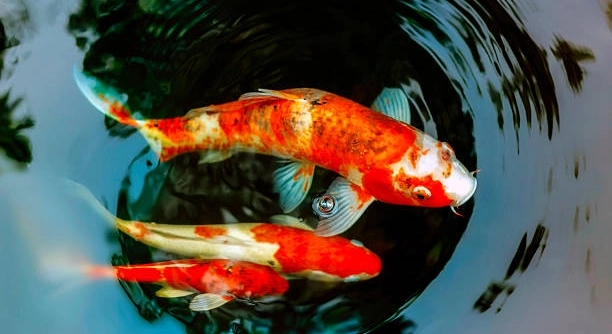
Koi fish are a popular addition to many ponds, admired for their bright colors and graceful movements. Sometimes, these fish can appear swollen or bloated, which can be concerning for any pond owner. Recognizing this early helps in maintaining their health and well-being.
When koi fish look bloated, it is often a sign of internal issues such as swim bladder problems, constipation, or infections. Immediate attention and proper treatment are essential to prevent serious health complications and ensure the fish’s recovery.
Knowing what causes bloating and how to respond will help you care for your koi more effectively. This article will guide you through common causes and practical steps to take.
Common Causes of Bloating in Koi Fish
Bloating in koi fish can result from several different issues. One frequent cause is swim bladder disorder, which affects the fish’s ability to regulate buoyancy. This can make them float awkwardly or struggle to swim properly. Another reason is constipation, often caused by a poor diet or overfeeding. When waste builds up, it causes swelling in the abdomen. Internal infections or parasites can also lead to bloating. These infections cause inflammation and fluid buildup, which make the fish look puffed up. Water quality plays an important role too; poor conditions can stress koi and weaken their immune system, increasing the chance of illness. Recognizing the specific cause is key to deciding the right treatment and care approach for your koi.
Preventing bloating involves feeding high-quality food and maintaining clean water. Keeping a close eye on your koi’s behavior helps catch issues early before they worsen.
Regularly testing water and providing a balanced diet keeps koi healthy and reduces the risk of bloating over time.
How to Treat Bloated Koi Fish
Immediate treatment depends on identifying the cause quickly. If constipation is suspected, feeding peas (with the skins removed) can help move things through their system gently. For swim bladder problems, adjusting feeding habits and water temperature may improve buoyancy. When infections or parasites are involved, medication prescribed by an aquatic veterinarian or specialist is necessary. It is also important to isolate the affected fish to avoid spreading disease to others in the pond.
Maintaining optimal water quality during treatment supports healing. Regular water changes and monitoring ammonia, nitrite, and nitrate levels are essential steps. Treatment should always be gentle and consistent, avoiding sudden changes that could stress the koi further. With patience and proper care, bloated koi fish can often recover fully.
Monitoring Your Koi During Recovery
Keep a close eye on your koi after starting treatment. Watch for changes in swimming behavior, appetite, and bloating. Noticing improvement or worsening signs early allows you to adjust care quickly.
If your koi starts swimming normally and eating well again, it’s a positive sign. Continue treatment as recommended until fully recovered to avoid relapse. However, if bloating worsens or new symptoms appear, consulting an aquatic specialist is important. Sometimes, additional tests or treatments may be necessary to address underlying issues.
Keeping the pond environment stable supports recovery. Avoid sudden water temperature changes and reduce feeding amounts slightly until your koi fully recovers. Stress can slow healing, so providing a calm environment helps your fish regain health faster.
Preventing Bloating in Koi Fish
Good pond maintenance and feeding habits are the best ways to prevent bloating. Regular water testing and cleaning help keep harmful bacteria and toxins low. Feeding koi a balanced diet, avoiding overfeeding, and giving them occasional fasting days improve digestion and reduce constipation risk. Using high-quality, specially formulated koi food supports their overall health and immune system.
Avoid sudden changes in water temperature or quality, as these can stress koi and increase the chance of illness. Keeping the pond free from overcrowding also reduces stress and competition for food. Small steps in pond care and feeding make a big difference in preventing future bloating problems.
Signs to Watch For
Swollen belly, difficulty swimming, and loss of appetite are common signs of bloating in koi fish. These symptoms usually indicate an internal issue that needs attention.
Behavioral changes like lethargy or floating on one side also suggest the fish is uncomfortable and may be struggling with buoyancy or internal pressure.
Importance of Water Quality
Poor water quality stresses koi fish and weakens their immune systems. High ammonia or nitrite levels can cause infections that lead to bloating. Keeping the pond clean, testing water regularly, and performing timely water changes help maintain a healthy environment. Good water quality supports recovery and prevents new health problems.
Feeding Tips for Healthy Koi
Feed your koi small amounts several times a day instead of one large meal. Avoid overfeeding, as excess food can cause digestive problems and water pollution. Use high-quality food designed for koi to promote good digestion and overall health.
FAQ
What causes koi fish to look bloated?
Koi fish can become bloated due to several reasons. Common causes include swim bladder disorder, which affects their balance, constipation from poor diet or overfeeding, and internal infections or parasites. Poor water quality can also stress the fish, making them more vulnerable to illness. Identifying the exact cause is important to provide the right treatment and help your koi recover.
How can I tell if my koi fish is constipated?
A constipated koi often has a swollen belly and may strain when trying to swim or pass waste. They might refuse food or show slow, awkward movements. Sometimes, you may see waste stuck around the vent. If you notice these signs, adjusting the diet by offering fibrous foods like peeled peas can help relieve constipation.
Can bloating in koi fish be fatal?
Yes, if left untreated, bloating can lead to serious complications. Severe internal infections or swim bladder problems can cause long-term damage or death. Early detection and treatment are crucial to prevent fatal outcomes. Proper care and a clean environment significantly improve recovery chances.
What is the best diet to prevent bloating?
A balanced diet is key. Feed high-quality koi pellets designed for good digestion and avoid overfeeding. Including occasional treats like peas (with skins removed) helps keep their digestive system working well. Fasting your koi one day a week can also prevent buildup in their system and reduce bloating risks.
How often should I test my pond water?
Test your pond water at least once a week for ammonia, nitrite, nitrate, and pH levels. Keeping these within safe ranges reduces stress and infection risk for your koi. More frequent tests are needed if you notice unusual fish behavior or after adding new fish or treatments.
Can swim bladder problems be cured?
Swim bladder issues can often be managed with proper care. Adjusting diet, water temperature, and reducing stress can improve symptoms. In some cases, medical treatment from a vet specializing in fish may be needed. Recovery takes time and patience but many koi return to normal swimming after care.
Should I isolate a bloated koi fish?
Isolating a bloated koi is recommended if an infection or parasite is suspected. Keeping the affected fish separate helps prevent the spread of disease to healthy koi. Isolation tanks also allow better monitoring and easier treatment. Always maintain clean water in both the main pond and quarantine tank.
How long does it take for a bloated koi to recover?
Recovery time varies depending on the cause and severity. Mild constipation might improve in a few days with dietary changes. Swim bladder problems or infections can take weeks to heal fully. Consistent care, proper treatment, and good water conditions speed up recovery.
Can stress cause bloating in koi fish?
Stress weakens a koi’s immune system and can make them more prone to infections that cause bloating. Factors like overcrowding, poor water quality, sudden temperature changes, or aggressive tank mates can all cause stress. Reducing stress by providing a calm and stable environment helps keep koi healthy.
What should I do if my koi stops eating during bloating?
It’s common for koi to lose appetite when bloated. Offer small amounts of easily digestible foods like peeled peas. If they refuse food for more than a couple of days, consider consulting an aquatic vet. Keeping water quality high and avoiding overfeeding helps prevent worsening the condition.
Is medication always necessary for bloated koi?
Not always. Mild cases caused by constipation or swim bladder issues often improve with diet changes and environmental adjustments. However, if an infection or parasite is the cause, medication prescribed by a specialist is usually needed. Never use medication without knowing the cause, as it can harm your fish or pond ecosystem.
Can bloating return after treatment?
Yes, if the underlying problem isn’t fully resolved or conditions in the pond don’t improve, bloating can come back. Maintaining good water quality, proper diet, and monitoring fish health regularly helps prevent recurrence. Early intervention is the best way to keep your koi healthy long-term.
Koi fish that look bloated can be worrying to see, but understanding what causes the swelling and how to respond can make a big difference. Bloating often points to internal problems like swim bladder disorder, constipation, or infections. Each cause requires different care steps, so knowing the signs and what to do helps prevent the situation from getting worse. Early attention improves the chance that your koi will recover quickly and stay healthy. Taking time to learn about these common issues also builds your confidence in managing your pond and its fish.
Proper pond maintenance and feeding habits play an important role in keeping koi fish from becoming bloated. Feeding the right type and amount of food helps avoid digestive problems that lead to swelling. Overfeeding or feeding poor-quality food can cause constipation, which is a frequent cause of bloating. Additionally, maintaining clean water and good water quality reduces stress on the fish and lowers the risk of infections. Regular water testing and timely water changes create a safe environment where koi can thrive. Together, these simple actions go a long way in preventing health problems.
If you notice your koi fish looking bloated, it is important to act quickly but calmly. Sometimes small changes like adjusting diet or water temperature can make a big difference. In other cases, medication or isolation may be needed to stop infections from spreading. Watching your koi closely during recovery helps you see if the treatment is working or if further action is necessary. Remember that patience is key — healing can take time. With the right care, your koi can return to their usual active and graceful selves, making your pond a beautiful, peaceful place once again.

Hello,
If you enjoy the content that we create, please consider saying a "Thank You!" by leaving a tip.
Every little bit helps us continue crafting quality advice that supports the health, happiness, and well-being of pets around the world, for pets of all shapes, sizes, and species.
We really appreciate the kindness and support that you show us!