
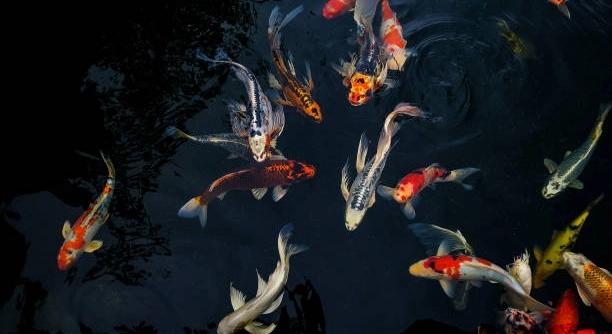
Moving koi fish requires careful attention and proper handling to keep them safe and healthy. Many people overlook key steps that can cause stress or harm to these beautiful creatures. Avoiding common mistakes can make the process smoother for both you and your fish.
The most critical mistakes when moving koi fish include improper water temperature changes, inadequate oxygen levels, rough handling, and using unsuitable containers. These errors increase stress and risk of illness, which can negatively affect the fish’s survival during transportation.
Knowing what to watch out for will help protect your koi and ensure they settle well into their new environment. This guide covers essential tips to help you avoid avoidable problems when moving your koi fish.
Using the Wrong Container for Transport
Choosing the right container is essential when moving koi fish. A container that is too small or has rough edges can cause injury and increase stress. Many people use buckets or plastic tubs, but these must be clean and free of chemicals. The container should also have a secure lid to prevent the fish from jumping out. Avoid using containers that are too shallow, as koi need enough water to swim comfortably during the move. It’s best to use a container made of non-toxic material that won’t react with the water. Also, consider the size of the koi; bigger fish need larger containers. Adding some oxygen, either through aeration or by using oxygen tablets, helps keep the fish healthy. Make sure the water in the container is similar in temperature and quality to their original pond. This careful preparation can reduce the fish’s stress significantly.
A clean, spacious container with stable water conditions makes all the difference in keeping koi calm and safe during transport.
Proper containers help maintain water quality and reduce physical damage. Preparing the right setup ensures the koi arrive healthy and ready for their new home.
Sudden Changes in Water Temperature
Sudden temperature changes can shock koi fish, making them vulnerable to illness. Even a difference of a few degrees between their original pond and transport water can cause stress. It is important to match the temperature of the new water as closely as possible to what the fish are used to. This can be done by gradually mixing the new water with the pond water or by adjusting the transport water ahead of time. Temperature shock weakens their immune system, increasing the risk of disease. Avoid moving koi during very hot or cold weather when temperature swings are more likely. When preparing the water, use a reliable thermometer to check the temperature accurately. The goal is to keep the fish comfortable throughout the move to help them stay healthy and active.
Keeping water temperature stable during transport prevents stress and supports koi fish well-being. Taking time to manage temperature carefully can avoid serious health issues.
Overcrowding in Transport Containers
Overcrowding koi in a transport container increases stress and the chance of injury. Each fish needs enough space to move without bumping into others. Overcrowding also reduces oxygen levels in the water, which can cause breathing problems.
Keeping koi separated during transport lowers the risk of damage and disease. Fish may become aggressive or panic when crowded, leading to scratches or worse. Oxygen depletion happens faster in crowded containers, making it hard for the fish to stay healthy. Providing ample space and proper aeration helps maintain water quality and fish well-being. It’s important to balance the number of fish with the size of the container to avoid overcrowding.
By giving koi enough room, you reduce stress and help ensure they arrive safely. Proper spacing improves their comfort and lowers the chance of injury during the move.
Not Acclimating Koi After Transport
Koi need time to adjust when introduced to new water. Sudden changes can shock their system and cause health problems. Always acclimate koi slowly to the new pond water after transport.
To acclimate koi, float their transport bag in the new pond water for 20 to 30 minutes. This allows the temperature inside the bag to match the pond’s temperature gradually. Next, slowly add small amounts of pond water into the bag every 10 minutes to help the fish adjust to water chemistry. Avoid pouring the transport water directly into the pond to prevent contamination. Taking time with acclimation helps koi recover from transport stress and adapt smoothly to their new environment. This step is crucial for their health and survival. Rushing this process may cause shock and increase the risk of disease.
Proper acclimation reduces stress and helps koi settle comfortably in their new home. It supports their immune system and encourages a healthy transition after moving.
Ignoring Water Quality During Transport
Water quality is key when moving koi. Poor water conditions increase stress and risk of disease. Always check and maintain clean, oxygen-rich water.
Regularly test water for ammonia and pH levels. Use fresh water if needed to keep the environment safe for your fish during transport.
Rough Handling of Koi Fish
Handling koi roughly can cause physical injuries and stress. Always use gentle movements and wet hands or soft nets to minimize damage. Avoid squeezing or dropping them to protect their delicate skin and scales.
Skipping Quarantine After Moving
Quarantining koi after transport helps prevent spreading disease. Keep new fish separate for a few weeks to monitor health before adding them to the main pond. This step protects both new and existing fish.
FAQ
What is the best container to use when moving koi fish?
The best container for moving koi should be sturdy, clean, and large enough to give each fish plenty of space. Plastic tubs or buckets with smooth edges work well, as they prevent injury. It’s important to choose a container that holds enough water to keep the fish comfortable and oxygenated throughout the move. A secure lid helps keep the fish inside and protects them from outside stress. Avoid containers that have been exposed to chemicals or detergents, as residues can harm koi.
How do I maintain oxygen levels during transport?
Oxygen is crucial for koi survival while being moved. You can use portable battery-operated air pumps or oxygen tablets to keep oxygen levels up. If neither is available, make sure the container isn’t overcrowded and try to keep the transport time short. Sometimes, gently stirring the water can increase oxygen contact. Avoid sealing the container completely airtight, as fish need fresh air exchange. Keeping the water cool also helps slow down the fish’s metabolism and oxygen use.
How can I avoid temperature shock when moving koi?
Matching the water temperature between the transport container and the koi’s original pond is key. Before moving, measure both temperatures with a reliable thermometer. Gradually mix pond water with the transport water to reduce sudden changes. Float the transport container in the new pond to slowly equalize temperatures before releasing the fish. Avoid moving koi in extreme weather conditions to prevent sudden temperature swings. A stable, consistent temperature helps keep koi calm and reduces the risk of stress or illness.
How long can koi stay in transport containers?
Koi can safely stay in transport containers for a few hours if conditions are managed well. The key is proper oxygenation, water quality, and temperature control. Transport longer than 4 to 6 hours increases risks unless special equipment is used. If transport will take longer, consider using oxygen tanks or aerated tanks designed for fish transport. Always monitor the fish and water condition during the trip to avoid harmful buildup of waste or low oxygen.
What should I do immediately after moving koi to a new pond?
After moving koi, acclimate them slowly by floating their transport bag in the new pond for 20 to 30 minutes. Gradually add small amounts of pond water to the bag to adjust them to the new water chemistry. Release the fish gently once temperatures and water quality are similar. Avoid feeding koi for at least 24 hours after moving, allowing them to recover from stress. Monitor their behavior closely in the first few days for signs of illness or discomfort.
Why is quarantining koi after transport important?
Quarantining new koi prevents spreading diseases or parasites to your established pond. During quarantine, keep the fish in a separate tank or pond for at least 2 to 4 weeks. This time allows you to observe for any signs of illness and treat problems early. It also reduces stress from mixing fish too quickly. Quarantine helps protect both new and existing koi, improving overall pond health.
What are signs of stress in koi after moving?
Signs of stress include erratic swimming, loss of appetite, hiding, clamped fins, or gasping at the water surface. Stress may also cause koi to develop white spots or redness on their skin, which can be signs of infection or parasites. Early recognition allows for quicker care and treatment. Reducing stress through proper handling and acclimation lowers the chance of illness.
Can I move koi fish in cold weather?
Moving koi in cold weather can be risky due to rapid temperature changes. If you must move them, take extra care to maintain water temperature with insulated containers or warming pads. Avoid exposing fish to freezing temperatures or direct wind during transport. Moving koi in early morning or late evening can help avoid temperature extremes. Careful planning reduces stress and keeps fish safe in colder conditions.
Is it safe to move koi without aeration?
Short moves without aeration can be safe if fish numbers are low and the container is large enough. However, lack of aeration increases the risk of low oxygen, especially in warm or long transports. Using aeration equipment or oxygen tablets is highly recommended for moves longer than one hour or for multiple fish. Aeration supports healthy breathing and reduces stress during transport.
How do I prepare koi for moving?
Before moving, avoid feeding koi for 24 hours to reduce waste buildup in the transport water. Check water quality and temperature in both the pond and transport container. Use clean, dechlorinated water and a suitable container. Handle fish gently with wet hands or soft nets. Plan the route to minimize travel time. Preparing koi properly improves their chances of arriving healthy and stress-free.
Moving koi fish is a careful process that requires attention to many small details. Each step, from choosing the right container to acclimating the fish after transport, plays an important role in keeping the koi healthy and stress-free. By avoiding common mistakes like overcrowding, sudden temperature changes, and rough handling, you give your koi the best chance to thrive in their new home. Taking time to prepare properly can save you from unnecessary problems later on.
It is important to remember that koi are sensitive creatures, especially during transport. Their health depends on maintaining good water quality, stable temperatures, and enough oxygen. When these factors are not controlled, koi can become stressed or sick. Stress weakens their immune system and may lead to disease. That is why slow acclimation after the move and quarantining the fish for a few weeks are necessary steps. These actions help the koi adjust and reduce the risk of infections spreading to other fish in your pond.
Overall, moving koi requires patience and care. Each fish deserves a smooth transition to avoid injury or shock. The more you focus on details like container size, water conditions, and gentle handling, the better the results will be. Keeping a close eye on the fish after transport also helps catch any issues early. With the right approach, moving koi can be a safe and successful experience, allowing you to enjoy these beautiful fish in their new environment for years to come.

Hello,
If you enjoy the content that we create, please consider saying a "Thank You!" by leaving a tip.
Every little bit helps us continue crafting quality advice that supports the health, happiness, and well-being of pets around the world, for pets of all shapes, sizes, and species.
We really appreciate the kindness and support that you show us!