
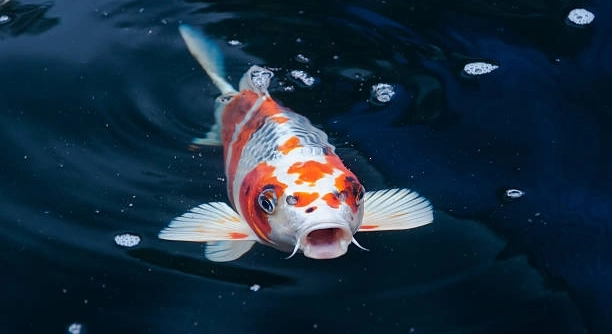
Bubbles appearing on koi fish skin can be a worrying sight for any pond owner. These small bubbles may indicate underlying health or environmental issues affecting the fish’s well-being. Understanding the causes helps maintain a healthy aquatic environment.
Bubbles on koi fish skin are primarily caused by infections, parasites, or environmental stressors such as poor water quality or temperature fluctuations. These factors can lead to irritation and abnormal mucus or gas buildup beneath the skin surface.
Identifying the root causes of these bubbles is essential for timely treatment and preventing further complications in koi fish care. This article will clarify key factors behind this condition.
Common Causes of Bubbles on Koi Fish Skin
Bubbles on koi fish skin often result from infections or parasites. Bacterial infections can create gas pockets beneath the skin, causing visible bubbles. Parasites like flukes or lice irritate the skin and lead to excess mucus production. Environmental stress also plays a role. Poor water quality, including high ammonia or nitrite levels, weakens the fish’s immune system. Temperature fluctuations can stress koi, making them more vulnerable to infections. Injuries from sharp pond decorations or aggressive tank mates may allow bacteria to enter, causing localized infections with bubbles. Overfeeding can reduce water quality, indirectly contributing to skin problems. Regular water testing and proper maintenance are essential to minimize these risks. Observing koi behavior and skin closely helps detect issues early. Treating infections or parasites promptly prevents bubbles from worsening. Keeping the pond clean and stable supports the koi’s natural defenses against skin problems.
Water quality and parasite control are critical to preventing bubbles on koi fish skin.
Bubbles indicate an imbalance in the koi’s environment or health. Careful pond management and timely treatment of infections can restore skin condition. Consistent observation is key to maintaining koi health and preventing recurring problems.
How to Treat Bubbles on Koi Fish Skin
Treating bubbles on koi skin begins with diagnosing the underlying issue. Water testing is the first step, focusing on ammonia, nitrites, nitrates, and pH levels. If water quality is poor, performing partial water changes and improving filtration helps reduce stress. For bacterial infections, medicated baths or antibiotics prescribed by a veterinarian are effective. Parasite infestations require anti-parasitic treatments, often available as pond dips or water additives. Removing injured or aggressive fish from the pond can prevent further damage. Maintaining stable water temperature and avoiding sudden changes supports recovery. Monitoring the koi daily during treatment ensures the fish respond well. Treatment duration varies depending on severity, but maintaining good water quality throughout is essential. Preventive care includes regular water testing, avoiding overfeeding, and quarantining new fish before introduction. These steps reduce the risk of infection and bubbles developing again, supporting overall koi well-being.
Preventing Bubbles on Koi Fish Skin
Maintaining clean water is the most effective way to prevent bubbles on koi fish skin. Regular water changes and proper filtration keep harmful substances at bay.
Balanced feeding also supports koi health. Overfeeding leads to poor water quality, increasing the risk of skin issues. Avoid overcrowding, as it stresses fish and spreads disease. Quarantining new koi before adding them to the pond helps prevent introducing infections or parasites. Regularly inspect fish for early signs of skin problems. Using UV sterilizers can reduce pathogens in the water, further protecting your koi. Proper pond maintenance creates an environment where koi skin stays healthy and bubble-free.
Monitoring water parameters weekly ensures a stable habitat for koi. Consistent care reduces risks and keeps the pond environment safe. Attention to detail in feeding, cleaning, and fish selection minimizes skin irritations and bubble formation. These steps build a strong foundation for koi health.
Environmental Factors Affecting Koi Skin
Water temperature affects koi skin condition significantly. Sudden changes can stress fish, making them prone to infections that cause bubbles. Maintaining consistent temperature reduces stress and supports immune function. Proper aeration is also vital, as low oxygen levels weaken fish resistance. High ammonia and nitrite levels irritate the skin and encourage bacterial growth. Light exposure influences koi activity and skin health; too much direct sunlight may cause damage, while insufficient light affects their behavior. Regular testing and adjustment of these factors create a balanced environment that supports koi skin integrity and overall health.
Recognizing Symptoms Early
Noticing bubbles on koi skin early helps prevent serious health issues. Look for changes in swimming behavior or appetite as additional warning signs. Early intervention increases the chance of a full recovery and keeps your pond healthy.
Regular visual checks allow for prompt action. Catching skin abnormalities early can stop infections from spreading or worsening.
The Role of Diet in Skin Health
A well-balanced diet supports koi immune function and skin repair. Feeding high-quality pellets rich in vitamins and minerals strengthens their defenses against infections. Including natural supplements like spirulina can improve skin texture and coloration. Avoid overfeeding to prevent water contamination. Good nutrition is a key factor in maintaining healthy, bubble-free skin.
When to Consult a Veterinarian
If bubbles persist despite treatment or worsen quickly, professional advice is necessary. A veterinarian can provide accurate diagnosis and prescribe specific medications or therapies. Prompt veterinary care reduces suffering and prevents complications.
FAQ
What causes bubbles to form on koi fish skin?
Bubbles on koi fish skin usually form because of infections, parasites, or environmental stress. Bacterial infections create gas pockets beneath the skin, while parasites irritate the skin and trigger excess mucus production. Poor water quality, temperature changes, and injuries also contribute to bubble formation. Maintaining clean water and monitoring koi health helps prevent these issues.
Are bubbles on koi skin dangerous?
Bubbles can indicate an underlying problem that may be harmful if left untreated. They often signal infections or parasite infestations, which can worsen and affect the fish’s overall health. Early detection and proper treatment are important to avoid complications or death.
How can I tell if the bubbles are caused by parasites?
Parasite-related bubbles usually appear alongside other signs such as scratching against surfaces, lethargy, or visible small organisms on the skin. The fish may also produce excess mucus. Identifying parasites may require close inspection or consulting a veterinarian.
Can water quality alone cause bubbles on koi skin?
Yes, poor water quality can stress koi and weaken their immune systems, making them more prone to infections that cause bubbles. High ammonia, nitrite, or nitrate levels are particularly harmful. Keeping water clean and well-filtered is crucial to prevent these problems.
What immediate steps should I take if I see bubbles on my koi?
First, test your pond water for ammonia, nitrites, nitrates, and pH. Perform partial water changes if water quality is poor. Remove injured or aggressive fish if possible. Treat for parasites or bacterial infections using appropriate medications after identifying the cause. Monitor your koi closely throughout treatment.
Can bubbles disappear on their own without treatment?
Bubbles rarely resolve without intervention. If caused by infection or parasites, they will likely worsen without treatment. Environmental bubbles related to temporary water changes might improve, but it’s safer to address water quality and health issues promptly.
Is it safe to treat koi in an outdoor pond?
Treating koi in outdoor ponds is possible but can be challenging due to dilution of medications and environmental factors. Many treatments require isolation or quarantine tanks to be effective. Consulting a veterinarian helps determine the best approach for your setup.
How long does it take for koi to recover from bubbles?
Recovery time varies depending on the cause and severity. Mild infections or minor water quality issues may clear in a few days to weeks. More serious bacterial or parasite infections can take longer. Maintaining ideal conditions supports faster healing.
Can stress cause bubbles on koi skin?
Stress weakens koi immune systems, making them vulnerable to infections that cause bubbles. Stress sources include overcrowding, poor water quality, sudden temperature shifts, and aggressive tank mates. Reducing stress is essential for prevention and recovery.
Should I quarantine new koi to prevent bubbles?
Quarantining new koi is highly recommended. It prevents introducing parasites or infections that cause bubbles and other skin problems. A quarantine period of at least two weeks allows monitoring and treatment before mixing new fish with the existing population.
What role does diet play in preventing skin issues?
A balanced diet strengthens the koi’s immune system and skin health. Feeding high-quality food with essential vitamins and minerals supports repair and resistance to infections. Avoid overfeeding to reduce water pollution, which can contribute to skin problems.
Can UV sterilizers help prevent bubbles on koi skin?
UV sterilizers reduce pathogens and parasites in the water, lowering the risk of infections that cause bubbles. While they are not a cure, they support overall pond health and help maintain clear water conditions favorable for koi skin integrity.
Are bubbles contagious between koi fish?
If bubbles result from infectious bacteria or parasites, they can spread to other koi through direct contact or shared water. Prompt treatment and isolation of affected fish reduce the risk of transmission within the pond.
What are some common mistakes that lead to bubbles on koi skin?
Common mistakes include poor water maintenance, overfeeding, introducing new fish without quarantine, and ignoring early signs of disease. Using inappropriate medications without diagnosis and sudden changes in water conditions can also worsen skin issues.
How often should I check my koi for skin problems?
Regular daily or weekly checks allow early detection of bubbles or other abnormalities. Observing koi behavior and appearance consistently is key to maintaining their health and addressing problems before they become severe.
Is it necessary to use antibiotics for treating bubbles?
Antibiotics may be necessary if bacterial infections are confirmed. However, misuse or overuse can cause resistance and harm beneficial bacteria. Always seek veterinary advice before starting antibiotic treatment.
Can natural remedies help with bubbles on koi skin?
Some natural remedies, like salt baths, can relieve mild skin irritations and help control parasites. However, they may not be sufficient for serious infections. Using natural treatments should complement proper pond care and professional advice.
Does pond size affect the likelihood of skin bubbles?
Smaller or overcrowded ponds can increase stress and water quality problems, raising the risk of skin issues including bubbles. Providing adequate space and proper filtration reduces these risks and supports koi health.
What are signs that treatment is working?
Improved swimming behavior, reduced bubbles, clearer skin, and increased appetite indicate recovery. Continued observation is important, as symptoms may return if underlying problems persist.
When is a koi fish too sick to save?
If the fish shows severe lethargy, loss of appetite, extensive skin damage, or does not respond to treatment after several weeks, euthanasia may be considered to prevent suffering. Consulting a veterinarian is crucial in such cases.
These answers aim to support effective koi care and help manage bubble-related skin issues with practical steps and awareness.
Final Thoughts
Bubbles on koi fish skin can be a clear sign of health problems that need attention. These bubbles often result from infections, parasites, or environmental stress. Addressing the root cause is important to prevent further harm to the fish. Regular pond maintenance, proper feeding, and monitoring water quality create a healthy environment that reduces the chances of bubbles forming. Taking these steps helps keep koi fish comfortable and supports their overall well-being.
Early detection of skin issues allows for quicker treatment and better outcomes. Watching your koi regularly for any changes in appearance or behavior can make a significant difference. Small problems, if caught early, can often be managed without complicated or harsh treatments. Ignoring bubbles or other symptoms can lead to more serious infections or spreading to other fish in the pond. Prompt action improves the chances of recovery and keeps your koi population healthy.
Maintaining a stable and clean pond environment is the foundation of koi health. Water quality, temperature stability, and good filtration all contribute to the skin’s condition. Proper nutrition supports the immune system and helps fish heal faster. While some issues may require medication or veterinary help, many problems can be avoided through consistent care and prevention. Paying attention to your koi’s needs ensures they remain healthy and vibrant over time.

Hello,
If you enjoy the content that we create, please consider saying a "Thank You!" by leaving a tip.
Every little bit helps us continue crafting quality advice that supports the health, happiness, and well-being of pets around the world, for pets of all shapes, sizes, and species.
We really appreciate the kindness and support that you show us!