
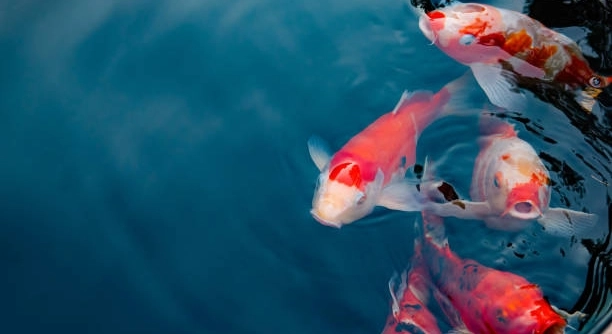
Koi breeding is a fascinating hobby that combines patience and care. Many people enjoy watching these colorful fish grow and thrive in their ponds. However, there are some surprising facts about koi breeding that many don’t know.
Koi breeding involves complex genetic selection to produce vibrant colors and patterns. Breeders carefully manage water conditions, feeding, and timing to maximize the health and quality of offspring. The process requires skill and detailed attention to maintain koi standards.
Learning about these lesser-known aspects can enhance your appreciation of koi breeding. There are many details that make this process more interesting than it first appears.
The Importance of Water Quality in Koi Breeding
Water quality is one of the most crucial factors in successful koi breeding. The fish are very sensitive to changes in their environment, and poor water conditions can lead to stress, illness, or even death. Maintaining clean water with the right temperature, pH, and oxygen levels helps koi stay healthy and breed well. Regular water changes and filtration are necessary to keep the water clear of harmful substances like ammonia and nitrites. Breeders often test water daily to catch any changes early. Stable water conditions encourage koi to spawn naturally, producing strong, vibrant fry. Even slight fluctuations in temperature or chemicals can disrupt breeding behavior. Proper care includes removing waste and uneaten food that can pollute the water. Many breeders use plants or aeration to support a balanced ecosystem in the pond. Keeping water quality optimal is not just about the fish today but about ensuring future generations thrive.
Water quality directly impacts koi health, growth, and breeding success. Clean, stable water reduces disease risks and supports strong offspring development.
Understanding how to monitor and improve water conditions can make koi breeding less stressful and more rewarding. Simple steps like regular testing and cleaning are essential for a thriving breeding environment.
Selecting Parent Koi for Breeding
Choosing the right parent koi is vital to get healthy and colorful offspring. Only koi with good body shape, bright colors, and no diseases should be used for breeding. The genetics of parent fish influence the traits of their babies, so selecting strong specimens is important. Breeders often pick koi that show desirable patterns and good health to improve the quality of the next generation. Age and size matter too; mature koi around two or three years old are best for spawning. Both male and female koi need to be in peak condition for breeding success. Sometimes, breeders keep several males for one female to increase fertilization chances. Proper selection reduces the risk of genetic defects and poor growth. This careful process takes time but helps maintain the high standards koi breeders aim for. Selecting parent koi is the foundation of every good breeding program.
Spawning Triggers in Koi Breeding
Temperature plays a key role in triggering koi to spawn. When water warms up in spring, it signals koi that it’s time to reproduce. Many breeders slowly raise pond temperature to around 68–75°F (20–24°C) to encourage spawning. Besides temperature, the length of daylight also affects their breeding behavior. Longer days mean more light, which stimulates hormonal changes in koi. Some breeders simulate spring conditions indoors by controlling light and heat to get koi to spawn earlier or more reliably. Understanding these triggers helps in planning the breeding season carefully.
Koi usually begin spawning once water temperatures reach the ideal range. Keeping temperatures stable avoids stress and improves egg fertilization rates.
Besides temperature, gentle water movement and clean environments also support spawning. Males chase females to encourage egg release, and proper conditions make this process smoother.
The Role of Diet in Successful Breeding
Feeding koi a nutritious diet before and during breeding improves egg quality and fry survival. High-protein foods with vitamins and minerals help strengthen the fish’s immune systems and overall health. Some breeders add special supplements or live foods to simulate natural conditions. A poor diet can lead to weak eggs and lower hatch rates. It’s important to switch gradually to breeding-specific food to avoid digestive problems. During breeding season, koi need more energy, so feeding small amounts multiple times daily is best. Clean food and water also prevent contamination that might harm eggs or fry. A well-balanced diet supports the demanding process of reproduction and helps produce healthy, vibrant offspring. Consistent, high-quality feeding before and after spawning is critical for the best results.
Egg Care After Spawning
Once eggs are laid, they need careful protection. Eggs are delicate and can be eaten by adult koi or fall prey to fungus if not monitored. Many breeders use breeding mats or separate tanks to keep eggs safe. Proper aeration and clean water help eggs develop properly and prevent infections.
Keeping eggs in a controlled environment reduces losses. Fungus can spread quickly, so some use antifungal treatments to protect the developing eggs.
Fry Development Stages
Koi fry go through several stages before becoming young fish. After hatching, they rely on yolk sacs for nutrition. Once the yolk is absorbed, they begin feeding on tiny foods like infusoria. As they grow, fry need more space and clean water to avoid overcrowding and disease. Watching fry develop helps breeders identify healthy fish to keep and those that may not survive.
Common Breeding Challenges
One common challenge is managing water quality during breeding. Poor water conditions can stress fish and cause eggs to die. Another issue is aggressive behavior between males, which can harm females. Patience and proper tank setup reduce these problems. Breeders often separate aggressive fish to keep the environment calm and safe.
Using Hormones in Koi Breeding
Hormones are sometimes used to stimulate spawning when natural triggers fail. Injecting hormones helps induce egg release and fertilization, especially in older or stubborn koi. This technique requires skill and care to avoid harming fish. While natural spawning is preferred, hormone use can improve breeding success in difficult cases.
FAQ
What is the best temperature for koi spawning?
The ideal water temperature for koi spawning is between 68°F and 75°F (20°C to 24°C). At this range, koi become more active and ready to breed. Temperatures below 65°F (18°C) slow down their reproductive behavior, while above 75°F (24°C) can cause stress. Keeping temperature stable during breeding helps improve egg fertilization and survival rates.
How often should I change the water during breeding?
Frequent water changes are important to maintain cleanliness and oxygen levels. Changing 10-20% of the water every two to three days is common practice. Avoid large sudden changes, as koi are sensitive to shifts in water chemistry. Small, regular water changes help reduce toxins and support healthy eggs and fry.
Can koi breed naturally without human intervention?
Yes, koi can spawn naturally if conditions like water quality, temperature, and lighting are right. However, many breeders assist by adjusting these factors or providing spawning mats. In natural ponds, koi may breed during spring when the environment signals the right time.
How long do koi eggs take to hatch?
Koi eggs typically hatch within 4 to 7 days, depending on temperature. Warmer water speeds up development, while cooler water slows it down. After hatching, fry remain attached to their yolk sac for a few days before swimming freely and feeding.
How do I know if my koi eggs are healthy?
Healthy eggs are usually clear or light amber and stick firmly to spawning surfaces. Cloudy or fuzzy eggs often indicate fungal infections, which can spread quickly and harm other eggs. Removing infected eggs and maintaining clean water reduces fungus risk.
When should I start feeding koi fry?
Koi fry start feeding once their yolk sacs are absorbed, usually 3 to 5 days after hatching. At this stage, they require very small food like infusoria or commercially prepared fry food. Feeding should be frequent but in small amounts to prevent water pollution.
What foods are best for koi fry?
The best foods for fry include infusoria, brine shrimp nauplii, and finely ground high-protein flakes or pellets. These provide essential nutrients for growth and development. As fry grow, gradually introduce larger food items to match their increasing size.
Is it necessary to separate adult koi from eggs?
Separating adult koi from eggs is highly recommended because adult koi may eat the eggs or disturb them. Using breeding nets or separate tanks helps protect eggs during this vulnerable stage. This separation increases the chances of more fry surviving.
How long does it take for koi fry to develop into small fish?
Koi fry typically develop into small juvenile fish within 8 to 12 weeks. During this period, they grow rapidly and start showing color patterns. Proper feeding, clean water, and space to swim are critical for healthy growth during this time.
Can koi breeding be done indoors?
Yes, koi breeding can be done indoors using tanks or controlled ponds. Indoor breeding allows for better control over temperature, lighting, and water quality. This helps create ideal spawning conditions year-round, though it requires more equipment and careful monitoring.
What are common problems during koi breeding?
Common problems include poor water quality, fungal infections on eggs, aggressive behavior among adult koi, and failure to spawn. Stress, disease, and improper nutrition can also affect breeding success. Keeping conditions stable and monitoring fish regularly helps prevent many issues.
How can hormones help in koi breeding?
Hormones can induce spawning when natural cues fail or koi are older and less active breeders. Hormone injections stimulate egg release and fertilization. This method requires precision and care to avoid harming the fish. It’s a useful tool but should be used with expert advice.
Do all koi breeds breed the same way?
Most koi breeds share similar breeding habits, but some variations exist in color inheritance and growth rates. Selective breeding focuses on enhancing specific traits. Regardless of breed, basic care principles like water quality and feeding remain consistent for successful breeding.
How many eggs can a female koi lay?
A healthy female koi can lay thousands of eggs in a single spawning season, often between 5,000 and 30,000 depending on her size and health. Not all eggs will survive, so breeders expect losses during incubation and fry development.
What should I do if my koi don’t spawn?
If koi don’t spawn, check water temperature, lighting, and diet. Gradually raise water temperature and extend daylight hours to simulate spring. Improving nutrition with high-protein food and ensuring clean water may also trigger spawning. Sometimes, introducing more males can encourage breeding activity.
Koi breeding is a careful process that needs patience and attention to detail. From managing water quality to selecting the right parent fish, each step plays an important role in the success of breeding koi. It is not a quick or simple task, but with consistent care, breeders can produce healthy and beautiful koi. Paying attention to the needs of the fish and the environment helps ensure eggs develop well and fry grow strong. Small changes in water temperature, cleanliness, and feeding can make a big difference in the outcome.
Many people may not realize how much goes into breeding koi. It requires understanding the fish’s natural behaviors and providing conditions that encourage them to spawn. Breeders often need to adjust water temperature and lighting to match the right season. Feeding the koi a nutritious diet also supports better breeding results. After spawning, protecting the eggs and caring for the fry is equally important. Using separate tanks or breeding mats can help keep eggs safe from being eaten or damaged. Watching the fry grow and developing good care habits can lead to rewarding results.
In the end, koi breeding is a balance of science and patience. It involves learning from each experience and making improvements over time. Every breeder faces challenges like water quality issues or aggressive behavior, but solving these problems leads to better success. The process can be very fulfilling for those who enjoy working closely with fish and nature. Understanding key factors such as water conditions, parent selection, and feeding will help make koi breeding more manageable. With steady effort, anyone can improve their skills and enjoy the beauty of koi that they helped bring into the world.

Hello,
If you enjoy the content that we create, please consider saying a "Thank You!" by leaving a tip.
Every little bit helps us continue crafting quality advice that supports the health, happiness, and well-being of pets around the world, for pets of all shapes, sizes, and species.
We really appreciate the kindness and support that you show us!